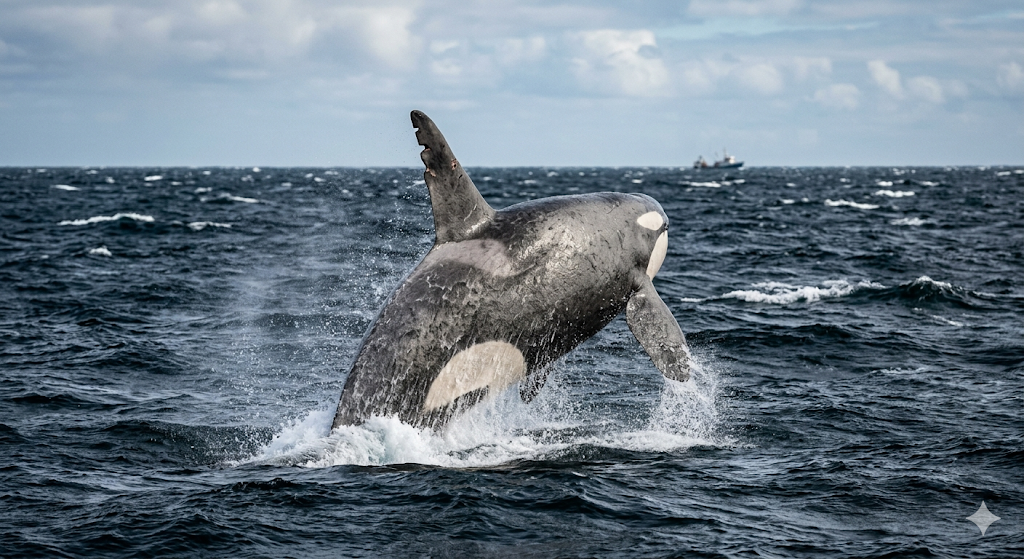
The Human Cost of Captivity
Captivity has stripped orcas of everything nature gave them freedom, family, and longevity. Once rulers of the open sea, they now circle tanks a fraction of their range, their fins collapsed under the weight of confinement. As nations move toward bans and sanctuaries, China’s booming marine parks continue to manufacture suffering. The fight for rescue, rehabilitation, and release isn’t just about saving whales; it’s about restoring what humanity broke.
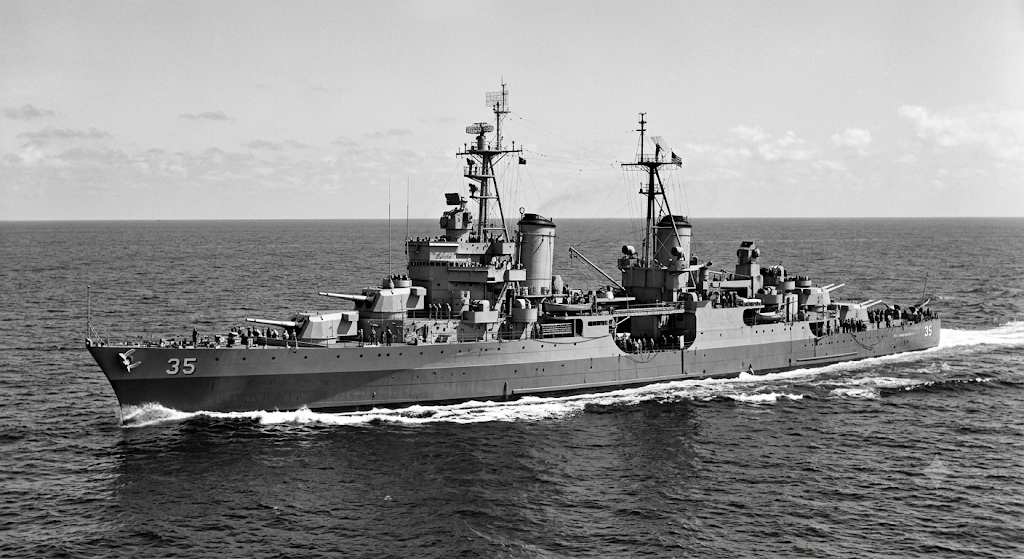
The USS Indianapolis
The USS Indianapolis stands as one of the most devastating naval tragedies of World War II — a ship that completed a secret mission, vanished in minutes, and left hundreds of sailors fighting for survival in the open Philippine Sea. Its story reveals not only the human cost of war but the lasting imprint such events leave on the ocean itself. From burning aviation fuel to the presence of oceanic whitetip sharks, the sinking shaped both naval history and marine ecology in ways still felt today.
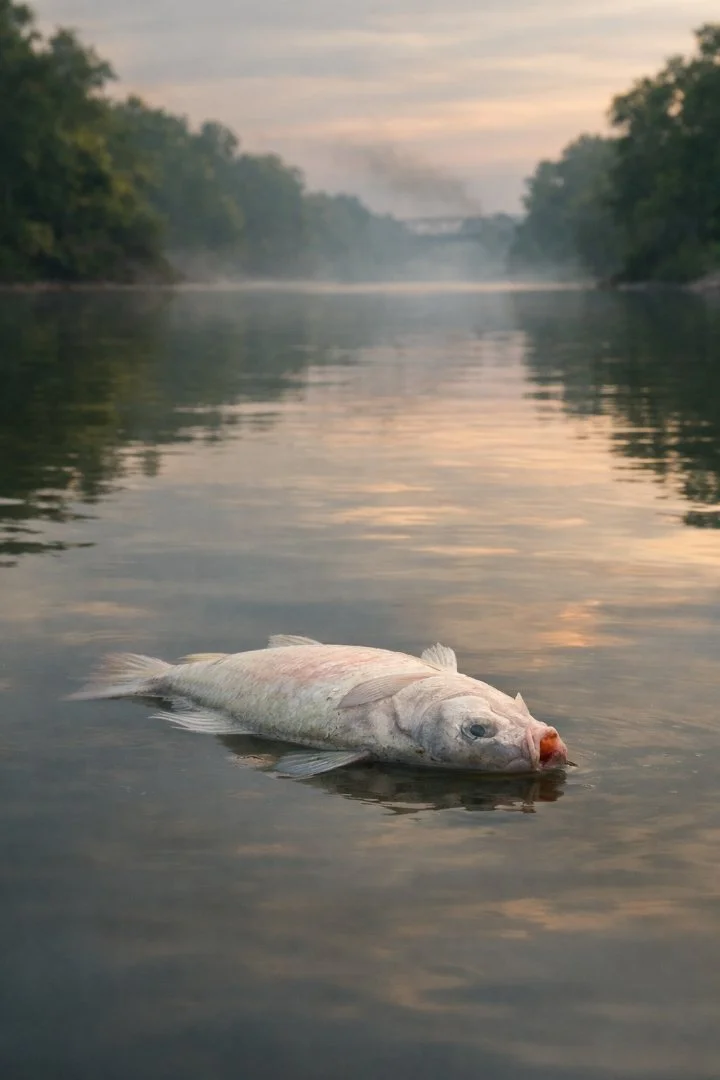
When the River Runs Out of Breath: Emory River Fish Kill
Following the Morgan County derailment, the Emory River experienced a dissolved‑oxygen crash that left fish unable to breathe. This article explains the science behind the die‑off, the role of ethanol and foam, and what repeated events could mean for the river’s future.
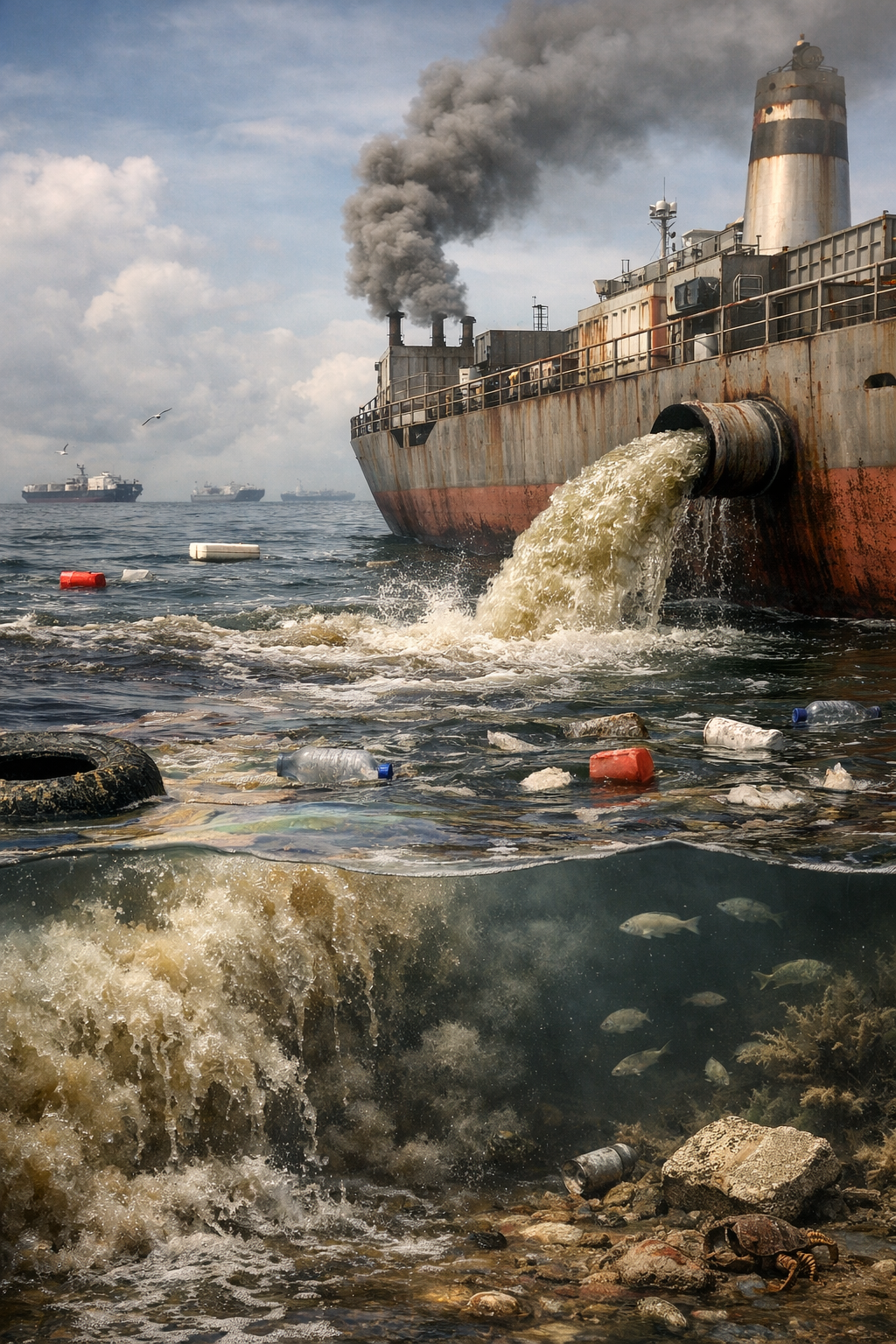
THE INVISIBLE VOLCANO: How Scrubbers Turn the Ocean Into an Industrial Waste Stream.
When the shipping industry calls scrubbers “clean,” it’s a lie of chemistry. These systems don’t remove pollution — they relocate it. Every hour, thousands of vessels inject acidic, metal‑laden waste directly into the ocean’s surface, creating invisible industrial scars that dissolve coral, poison plankton, and rewrite the chemistry of life itself.
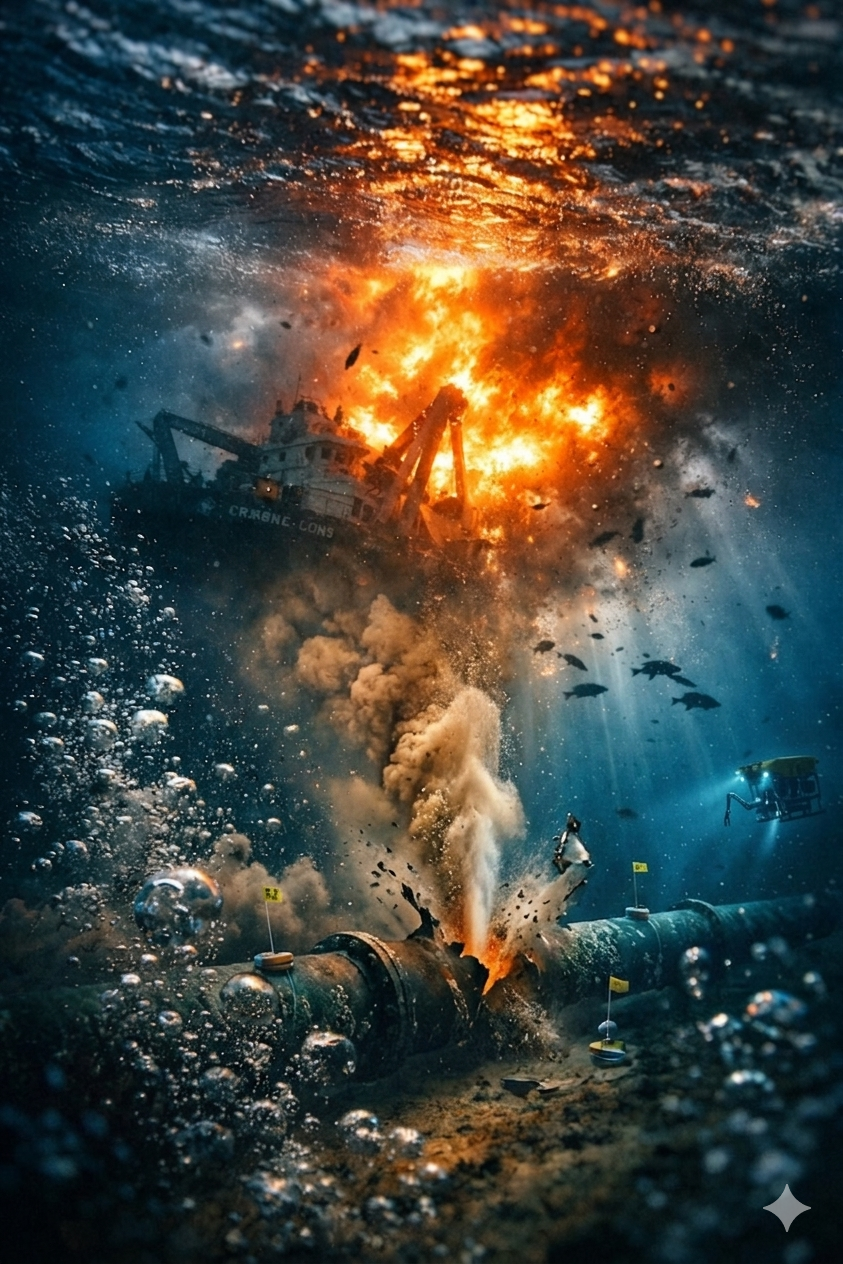
Dredging Up Disaster: A Deep Dive Into the Waymon Boyd Explosion and Its Impact on Our Waters
A Coast Guard investigation into the Waymon Boyd explosion reveals a pattern of preventable failures — from ignored safety procedures to missing oversight — culminating in a disaster that should never have happened.
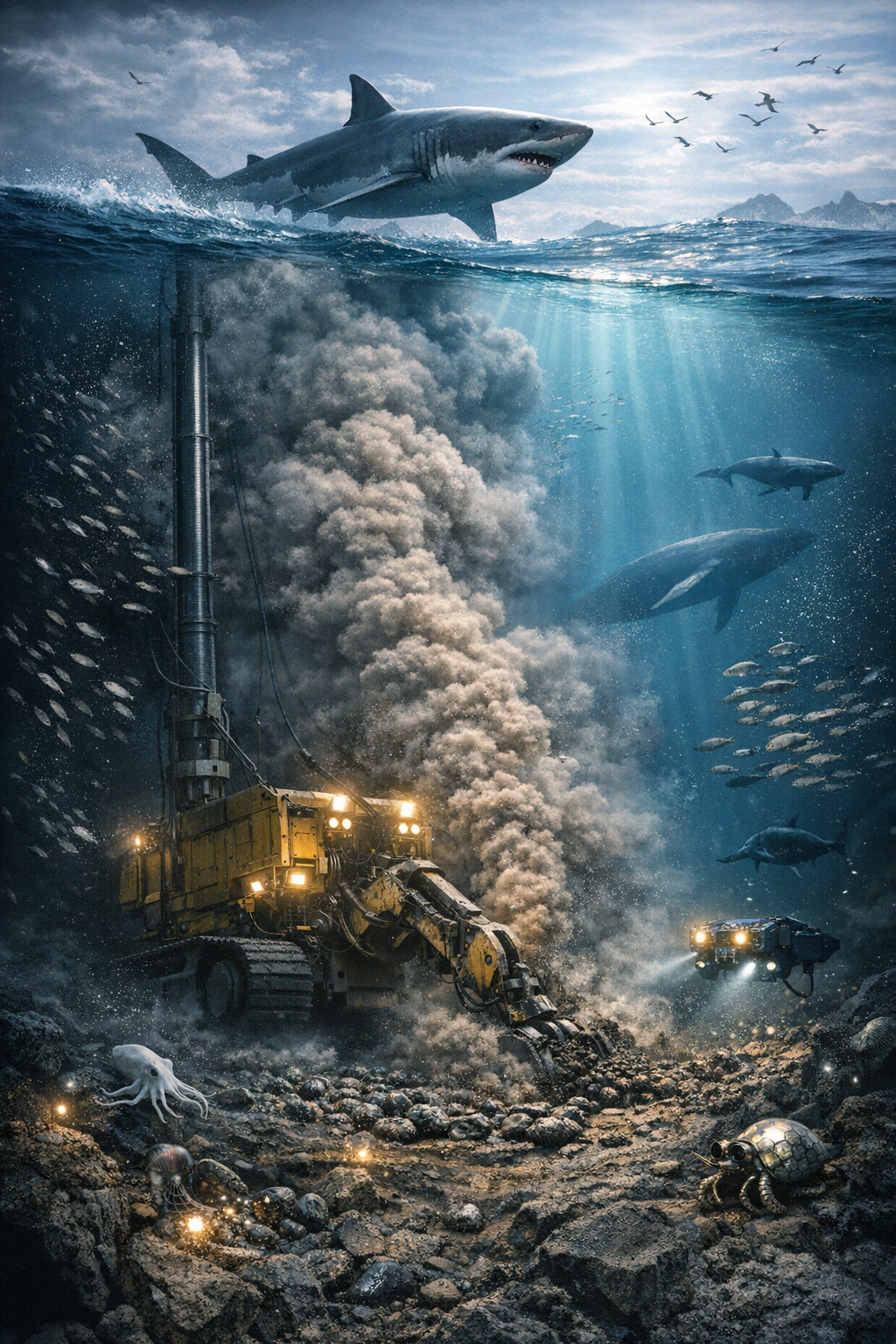
The Cost of “Green”: Mining the Abyss and the Species We’ll Never Meet
The ocean isn’t a stack of layers; it’s a single, living conveyor belt. When we mine the abyss, the impact climbs — from crushed metal nodules to poisoned plankton, to sharks and whales at the surface. What happens four miles down doesn’t stay there. It rises, echoing through every heartbeat of the sea.
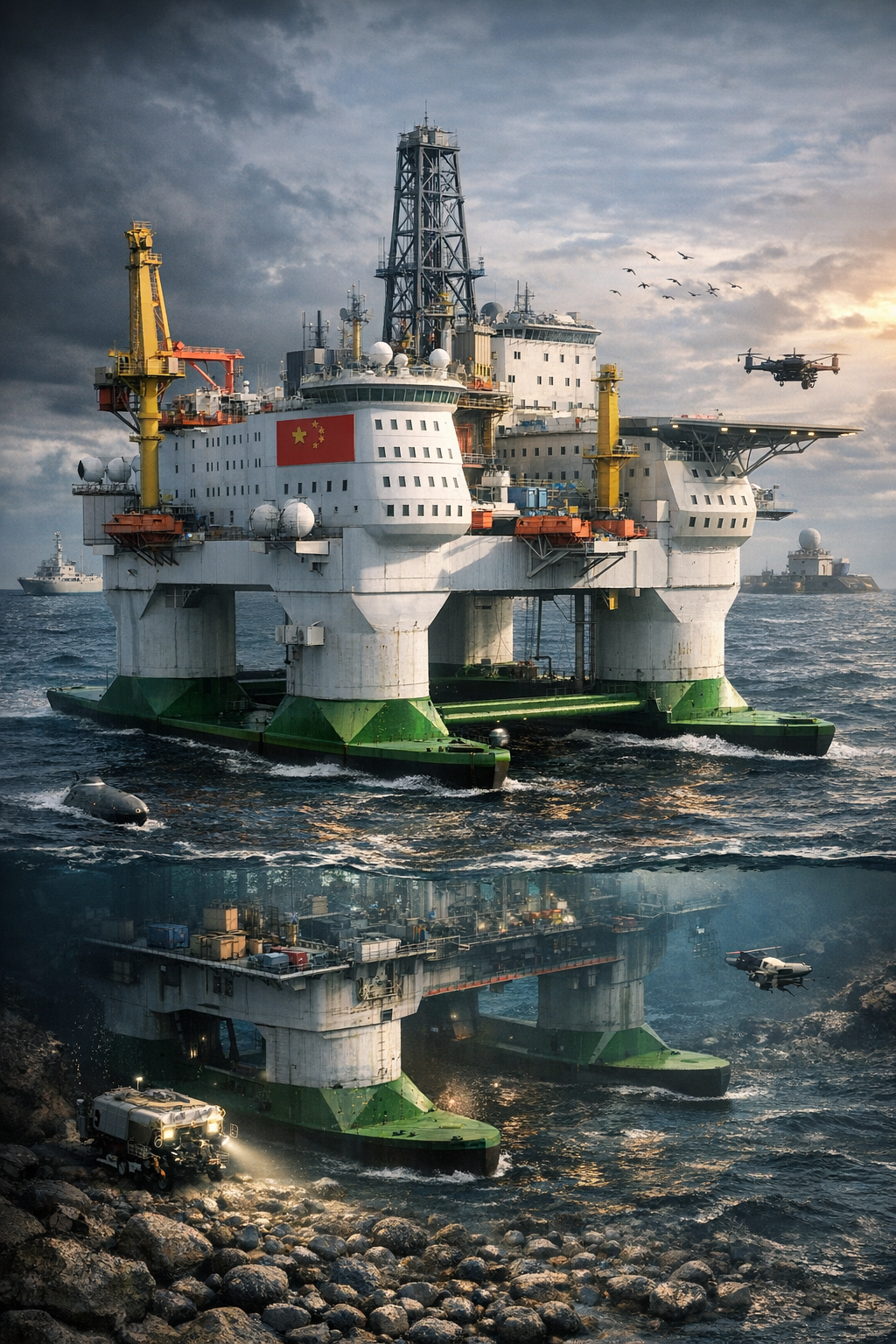
The New Ocean Frontier: China’s Expanding Offshore Megastructures and What They Mean for Our Planet
China has begun constructing what it calls the world’s first “Open‑Sea Floating Island,” a massive 30‑story semi‑submersible research platform designed to operate continuously in harsh offshore conditions. Built around a twin‑hull structure for stability, the platform can support deep‑sea missions at depths reaching 32,800 feet, allowing scientists and engineers to test heavy marine equipment, deep‑sea mining systems, and offshore oil and gas technologies in real ocean environments.
Engineers describe it as a hybrid between a ship and an oil rig — able to relocate when needed, yet remain anchored for months at a time, even through typhoon‑force winds. Once completed in 2030, the floating island will serve as a long‑term offshore base for industrial research, disaster forecasting, and deep‑ocean exploration, marking a major expansion of China’s presence and capability in the open sea.
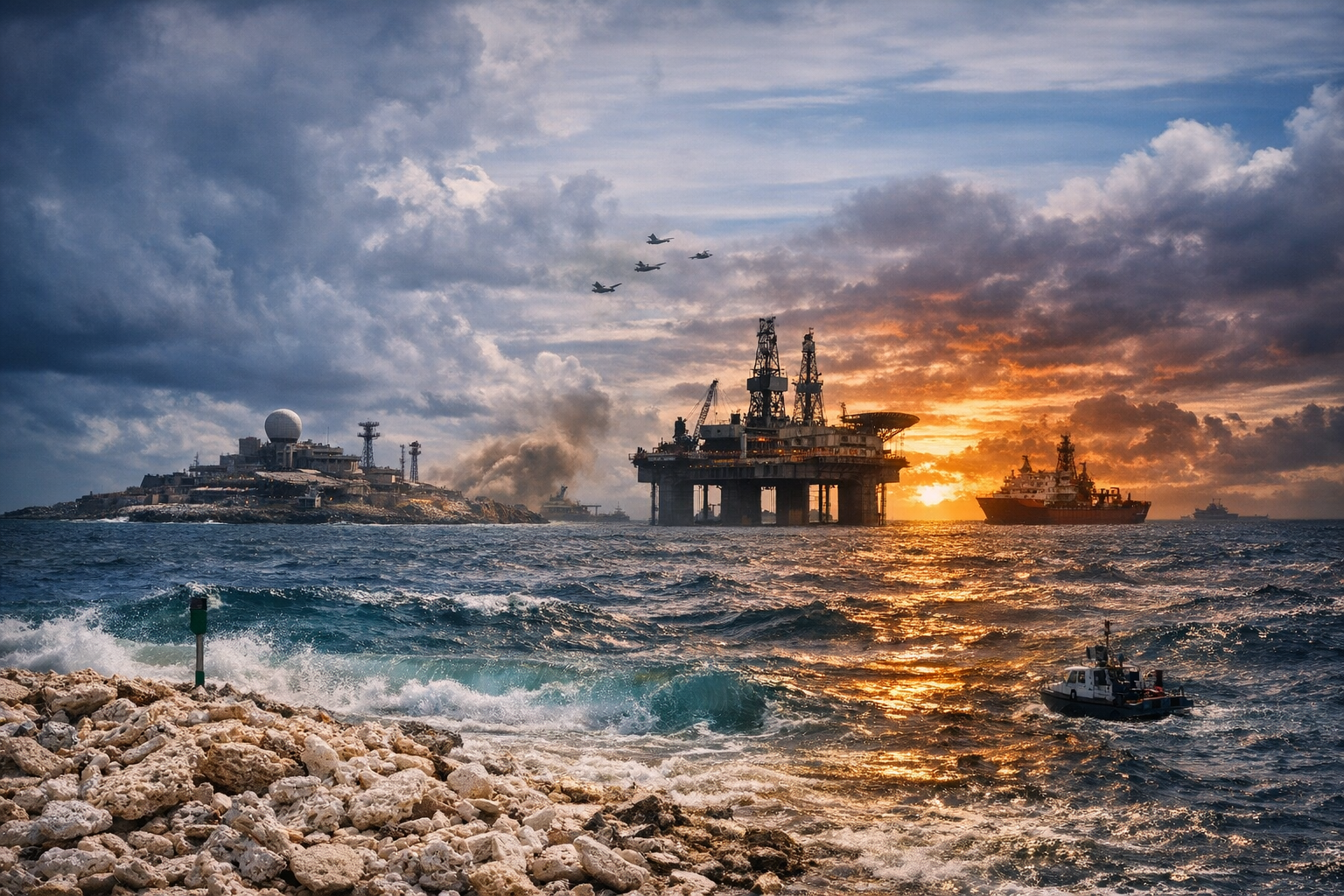
Artificial Islands Deep Dive
Artificial islands are rising across the ocean, burying coral reefs and reshaping marine ecosystems in the name of expansion. This deep dive exposes how dredging, construction, and geopolitical ambition are transforming living seas into hardened outposts — and what that means for the future of our planet’s blue heart.
The original Artificial Islands article in The latest News.
China’s construction of artificial islands in the South China Sea has accelerated again this year, and with every new landmass, the ocean loses another irreplaceable ecosystem. What looks like strategic expansion from above is, beneath the surface, an unfolding ecological collapse.
How These Islands Are Built — and What Gets Destroyed
Artificial islands don’t rise from empty water. They begin with dredging, where massive ships vacuum sand from the seafloor and pulverize coral reefs to create building material. This process destroys living coral structures, fish nurseries, seagrass beds, and the burrowing species that keep the seafloor healthy. A single dredging operation can erase a reef system that took centuries to form.
Coral Reefs: The First Casualties
Coral reefs are living organisms. When dredgers hit them, the coral skeleton shatters instantly. Sediment blankets the reef, blocking sunlight and suffocating the polyps that keep the reef alive. The structure collapses, taking thousands of species with it. Sediment plumes drift for miles, killing coral that wasn’t even touched by machinery. What survives the initial destruction often dies from the fallout.
The Sand They Take — and the Species Buried With It
Ocean sand is alive. It’s made from crushed coral, shells, parrotfish‑made sand, microorganisms, and tiny burrowing creatures. When dredgers vacuum it up, clams, worms, and crustaceans die instantly. Rays, angel sharks, and flatfish lose their camouflage grounds. Seagrass beds collapse because their anchoring sand is removed. Juvenile fish lose their nurseries, breaking the food chain from the bottom up. The ocean floor becomes a barren desert.
The Final Blow: Dumping Land Sand Into the Sea
After dredging, China reinforces these islands with land sand — a material that does not belong in the ocean. Land sand is sharper, heavier, chemically different, and formed by wind instead of waves. When it enters the ocean, it behaves like a pollutant.
It settles in thick layers that smother coral, seagrass, and bottom‑dwelling species. It disrupts ocean chemistry because ocean sand is calcium‑based while land sand is quartz‑based. This changes pH, nutrient flow, and the micro‑ecosystems marine life depends on. Sand‑dependent species like rays, flounder, angel sharks, and countless invertebrates cannot survive in it. Land sand is too heavy and too coarse — it crushes instead of supporting.
It also destabilizes the islands themselves. Land sand erodes quickly, forcing China to dredge more material to reinforce the islands, creating a cycle of destruction with no natural endpoint.
A Global Warning
These islands aren’t just military outposts. They are ecological graveyards. The world sees new runways and territorial claims. The ocean sees dead coral, buried nurseries, collapsed food webs, poisoned sand, and species pushed closer to extinction. This is not just a regional issue. It’s a global one.
The Ocean Remembers
Every artificial island leaves a scar the ocean cannot heal on its own. Every dredged reef. Every buried species. Every grain of land sand that never belonged there. And the ripple effects will be felt far beyond the South China Sea.