Stories of resilience and restoration, Inspiration from the Sea
*
Stories of resilience and restoration, Inspiration from the Sea *
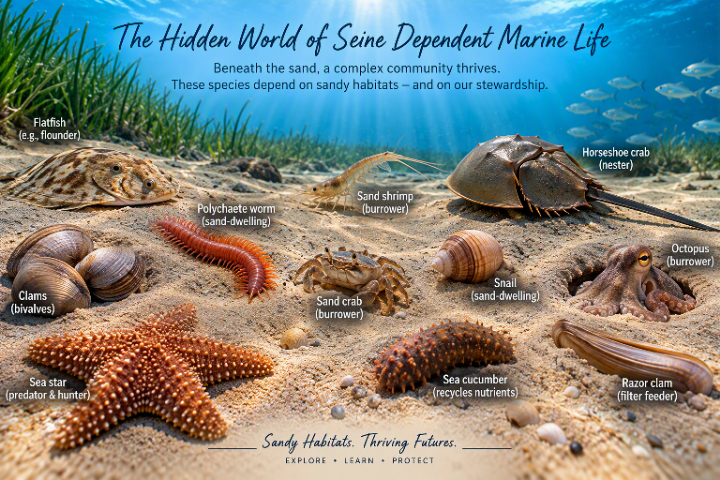
The Hidden World of Sand‑Dependent Marine Life
Sand may look lifeless, but beneath the surface is an entire ecosystem. Discover the surprising marine species that rely on sandy habitats and why protecting this overlooked part of the ocean matters.
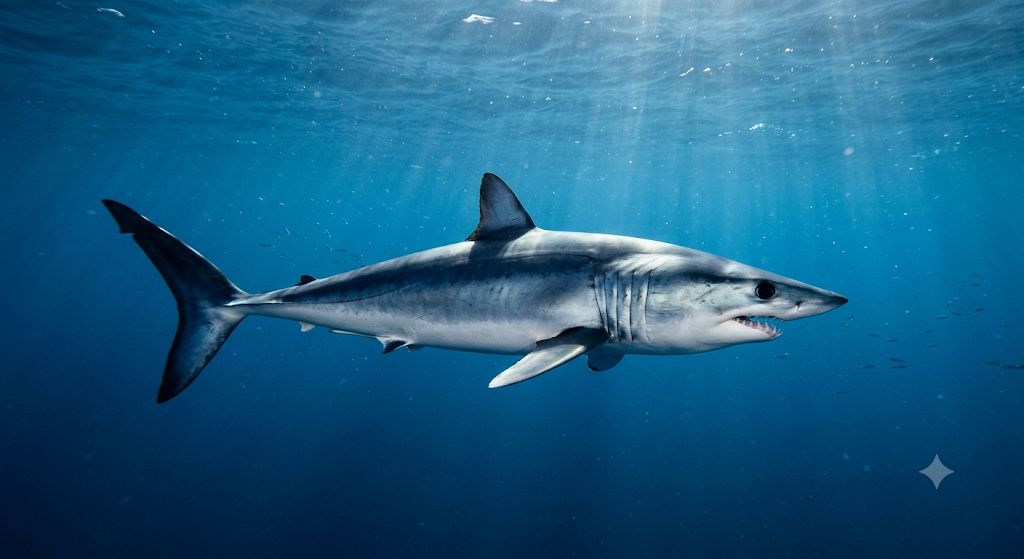
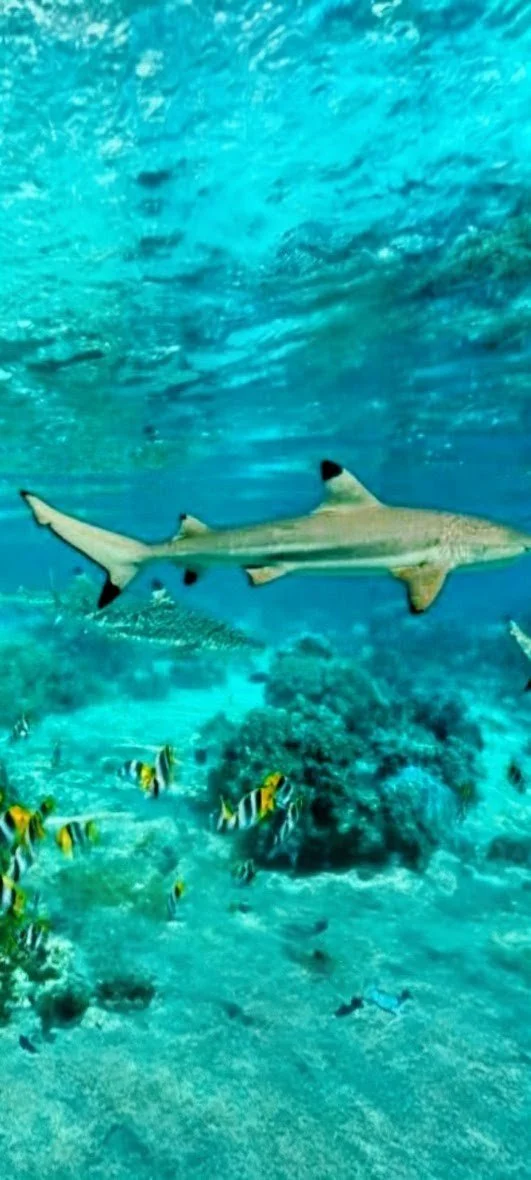
The Shortfin Mako — The Ocean’s Lightning
The shortfin mako is the ocean’s lightning a solitary wanderer built for speed, precision, and long‑distance travel. From its explosive bursts of motion to its bold, curious personality, the mako reveals the wild engineering of the open sea. This is the shark that outruns tuna, crosses entire oceans, and moves with a kind of electric grace that makes the blue feel alive.
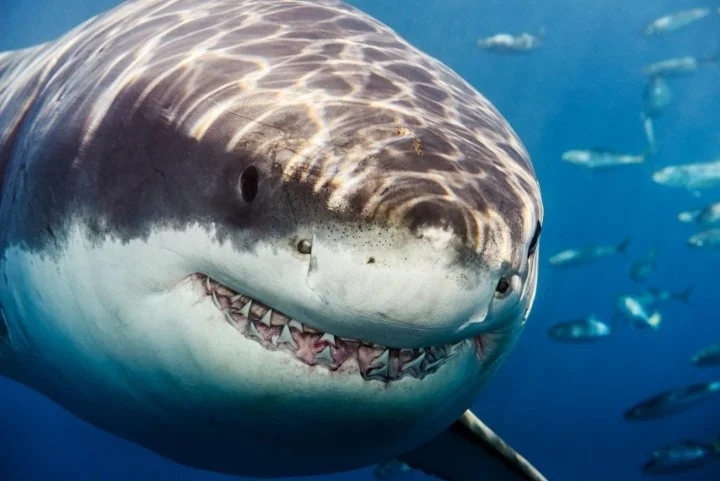
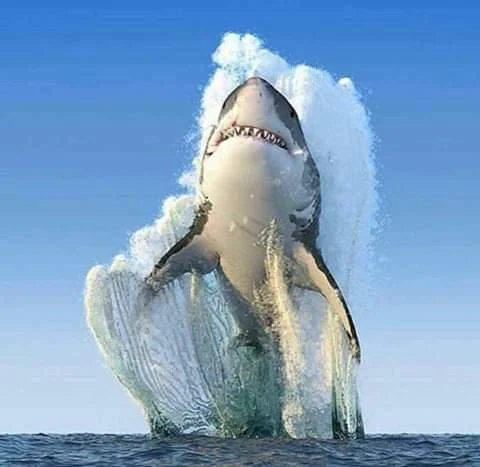
The Great White
As scientists continue to track their movements along the Shark Highway and uncover new details about their seasonal migrations, one thing becomes clear: great white sharks are far more complex than their reputation suggests. Their long-distance travel, their role in shaping coastal ecosystems, and their remarkable sensory abilities all point to a species built for survival and balance. Understanding these predators instead of fearing them is essential to protecting the oceans they help sustain.
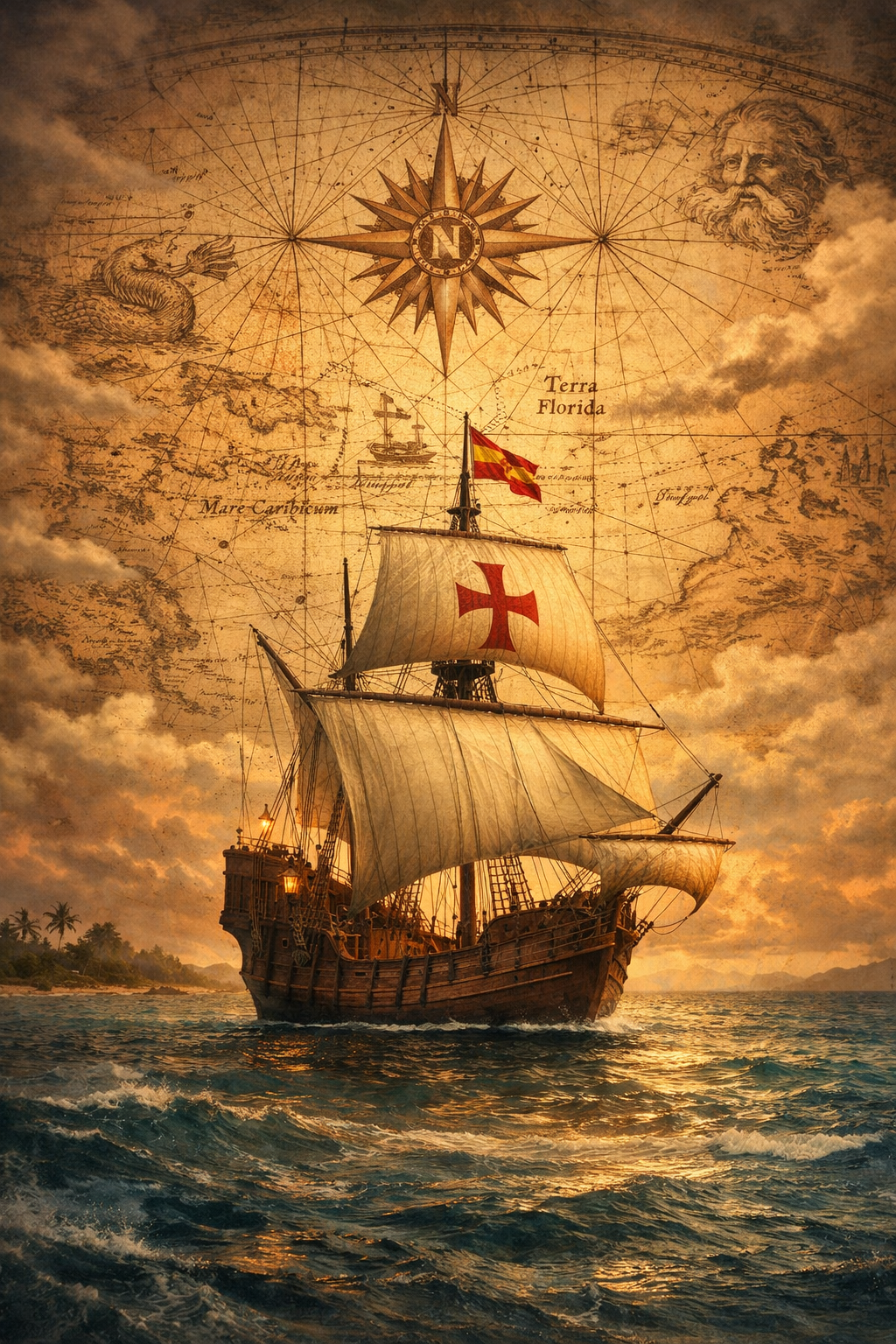
Ponce de León — The Explorer the Ocean Remembers
Juan Ponce de León sailed the Caribbean, the Bahamas, and Florida long before ocean science existed. This Ocean Diaries entry keeps his name and legacy alive, reminding us how early explorers shaped our first understanding of the sea a history we rarely teach anymore
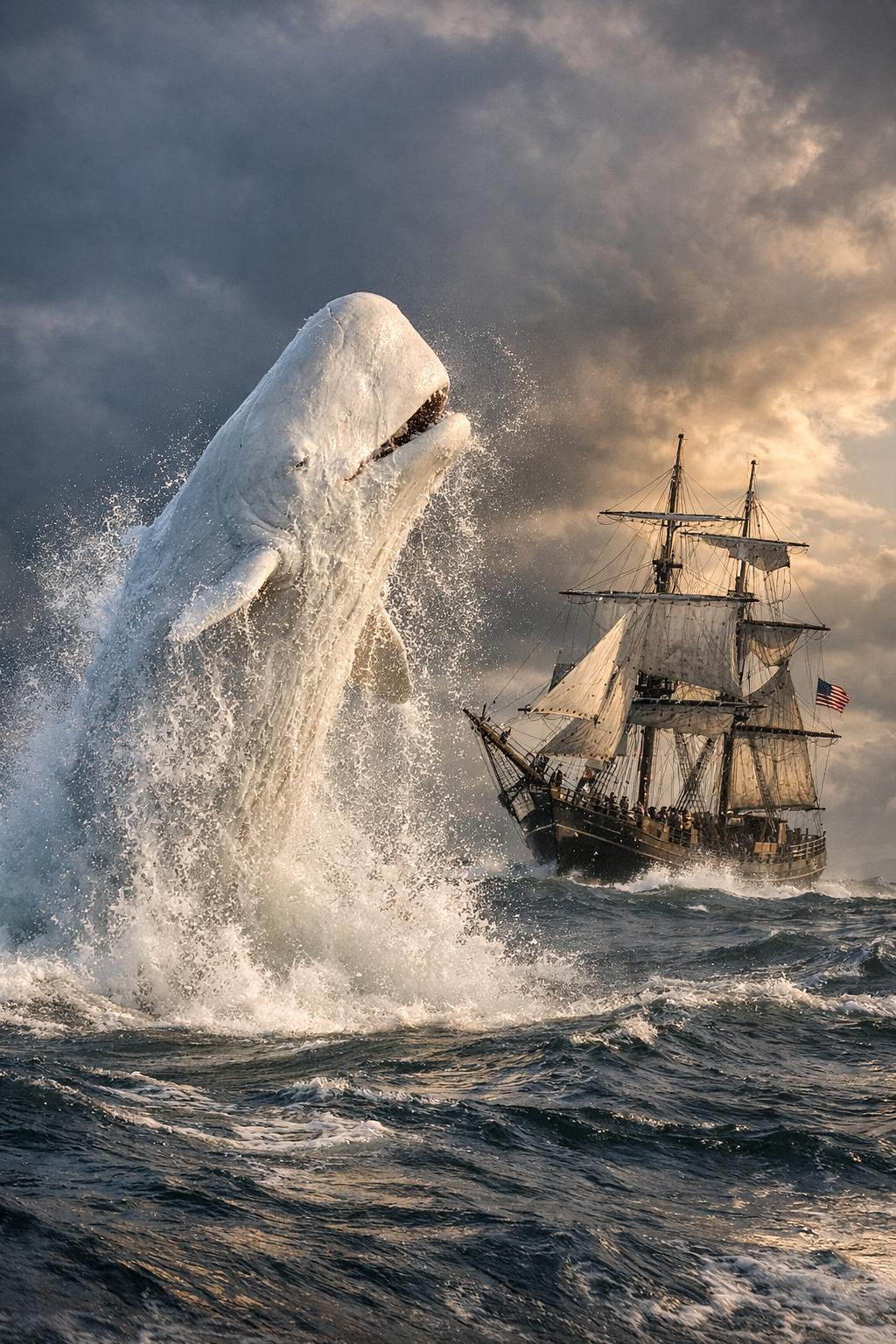
Moby Dick: The Whale That Made the Sea a Phobia
A legendary white whale, a doomed ship, and a story that reshaped how humans fear the ocean. Dive into the real history behind Moby-Dick and the whaleship Essex — where myth meets deep‑sea truth.
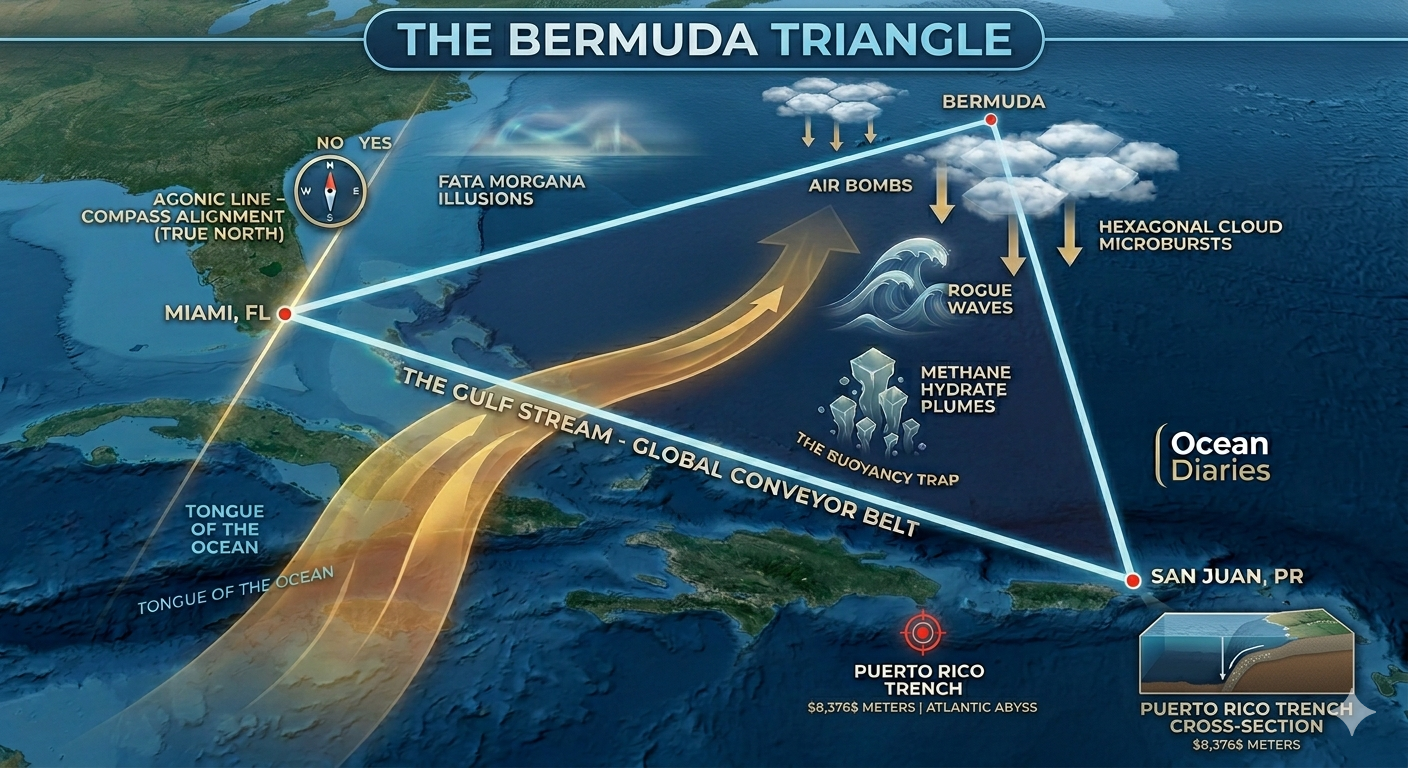
The Bermuda Triangle: Into the Ocean’s Most Efficient Mystery
The Bermuda Triangle isn’t a portal or a myth — it’s a collision zone where extreme oceanography, violent weather, magnetic quirks, and deep‑sea geology overlap. With modern satellites, radar, and seafloor mapping, we can finally decode the science behind the world’s most efficient mystery.
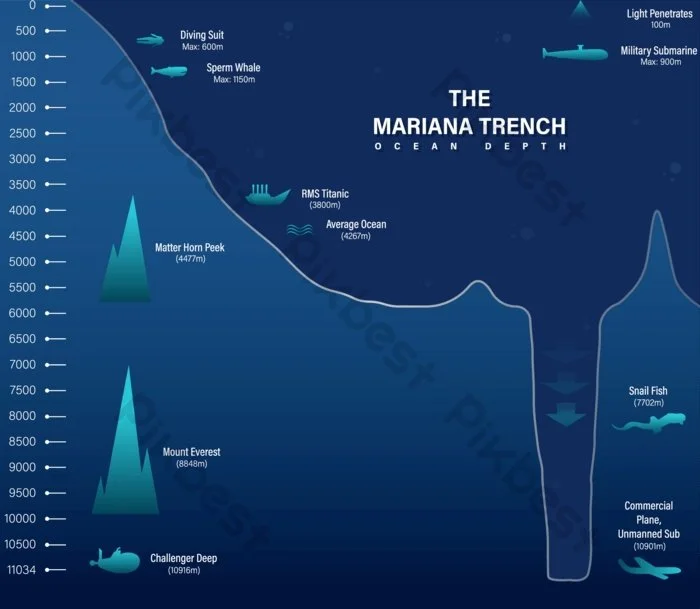
The Mariana Trench — Earth’s Deepest Mystery
Descending into the Mariana Trench feels like slipping into another world — a place without sunlight, without sound, and without limits. Down here, pressure reshapes life, darkness becomes home, and the ocean reveals just how little we truly know.
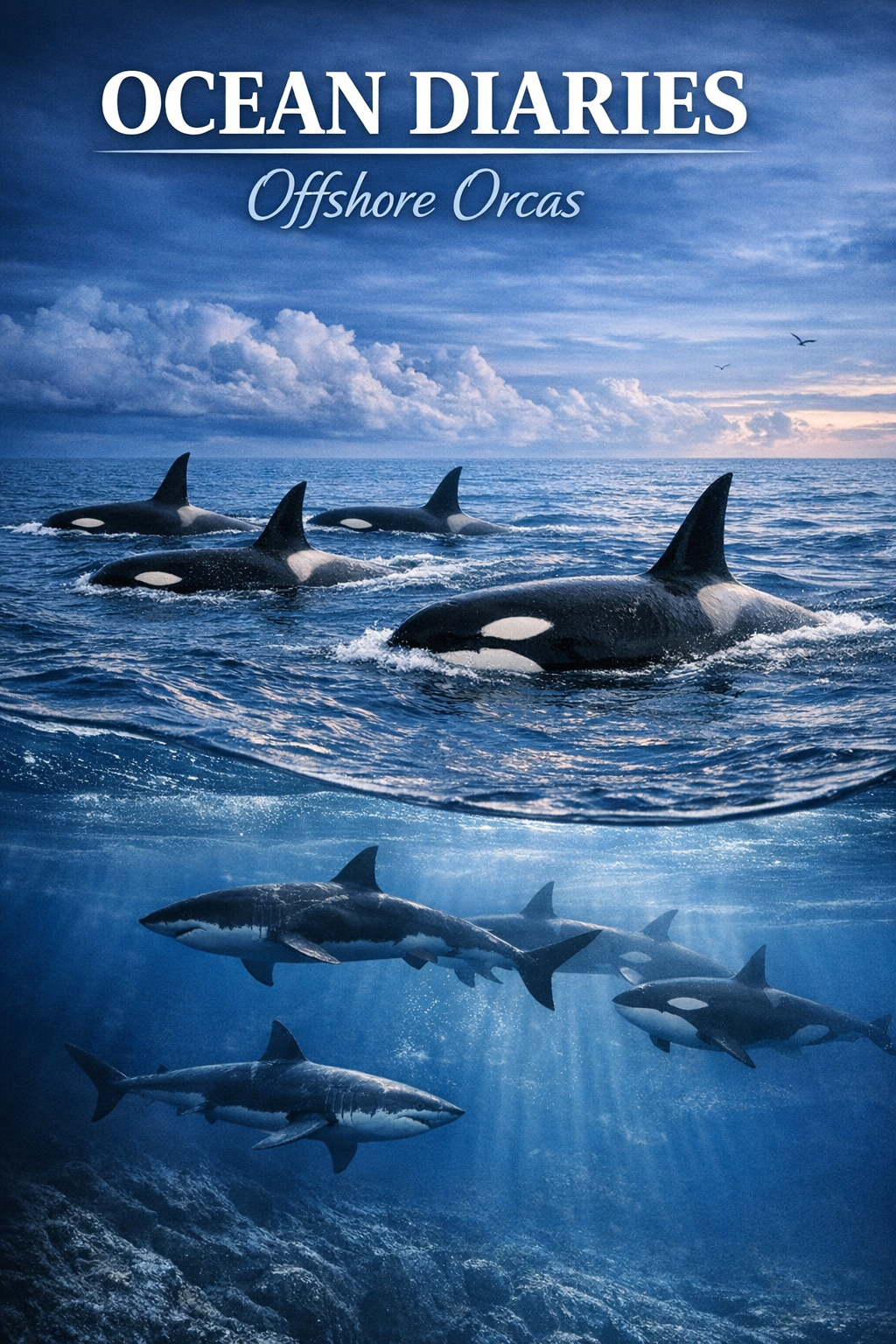
Part 3:Offshore Orcas The deep‑water mystery of the Pacific.
Five Offshore orcas swim across deep blue open ocean under a dramatic sky. Their curved dorsal fins break the surface as sunlight filters through the waves. Beneath them, a large shark glides through clear water, illuminated by beams of light. Text overlay reads “Ocean Diaries — Offshore Orcas.”
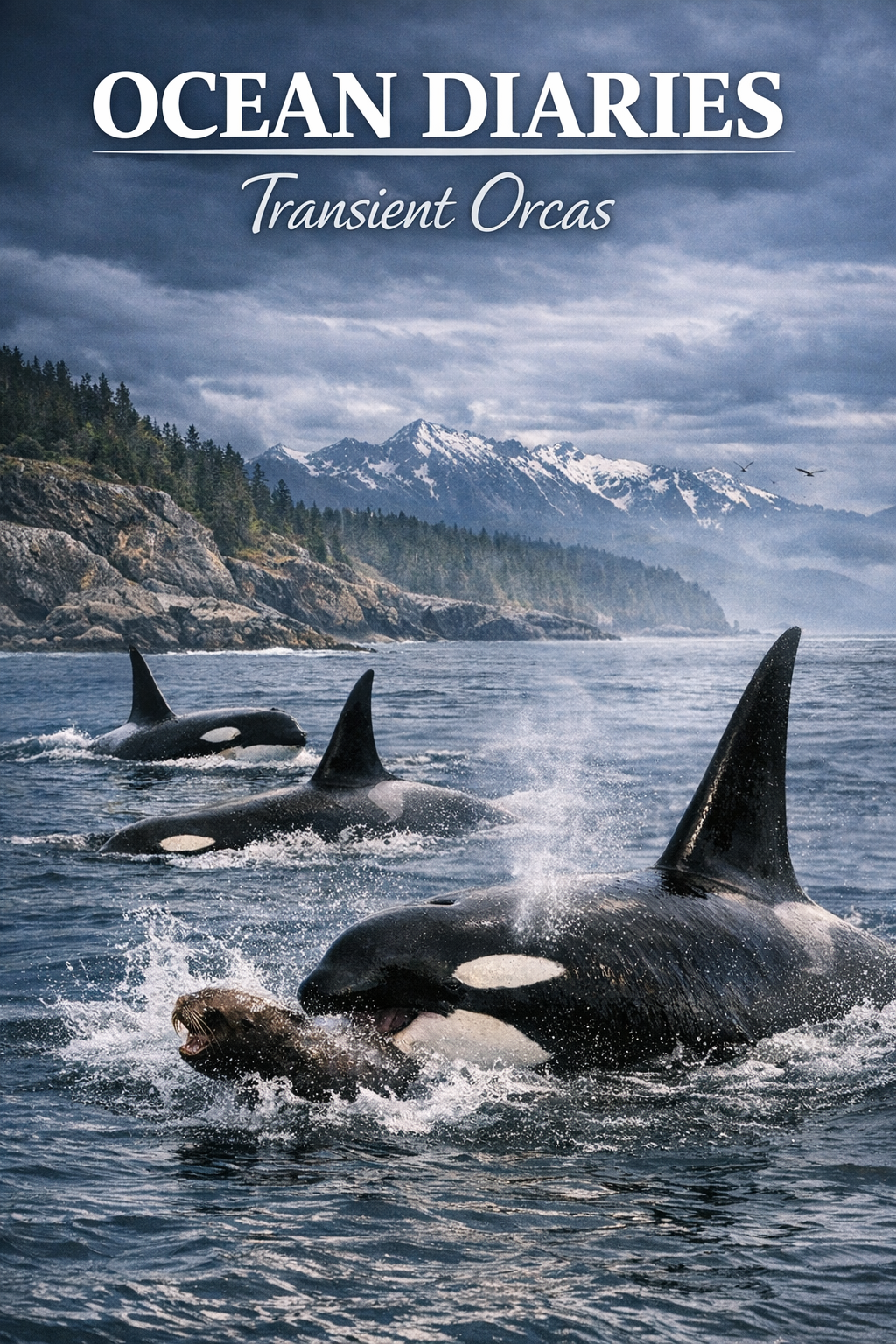
Part II: Transient Orcas (Bigg’s)Silent hunters of the coastal Pacific.
Transient orcas — also known as Bigg’s killer whales — are the silent hunters of the North Pacific. Unlike Residents, these whales travel in small, fluid groups and rely on stealth to pursue seals, sea lions, and porpoises along the rugged coastline. Their rising population reflects a thriving marine‑mammal ecosystem and a hunting strategy built on precision, patience, and power.
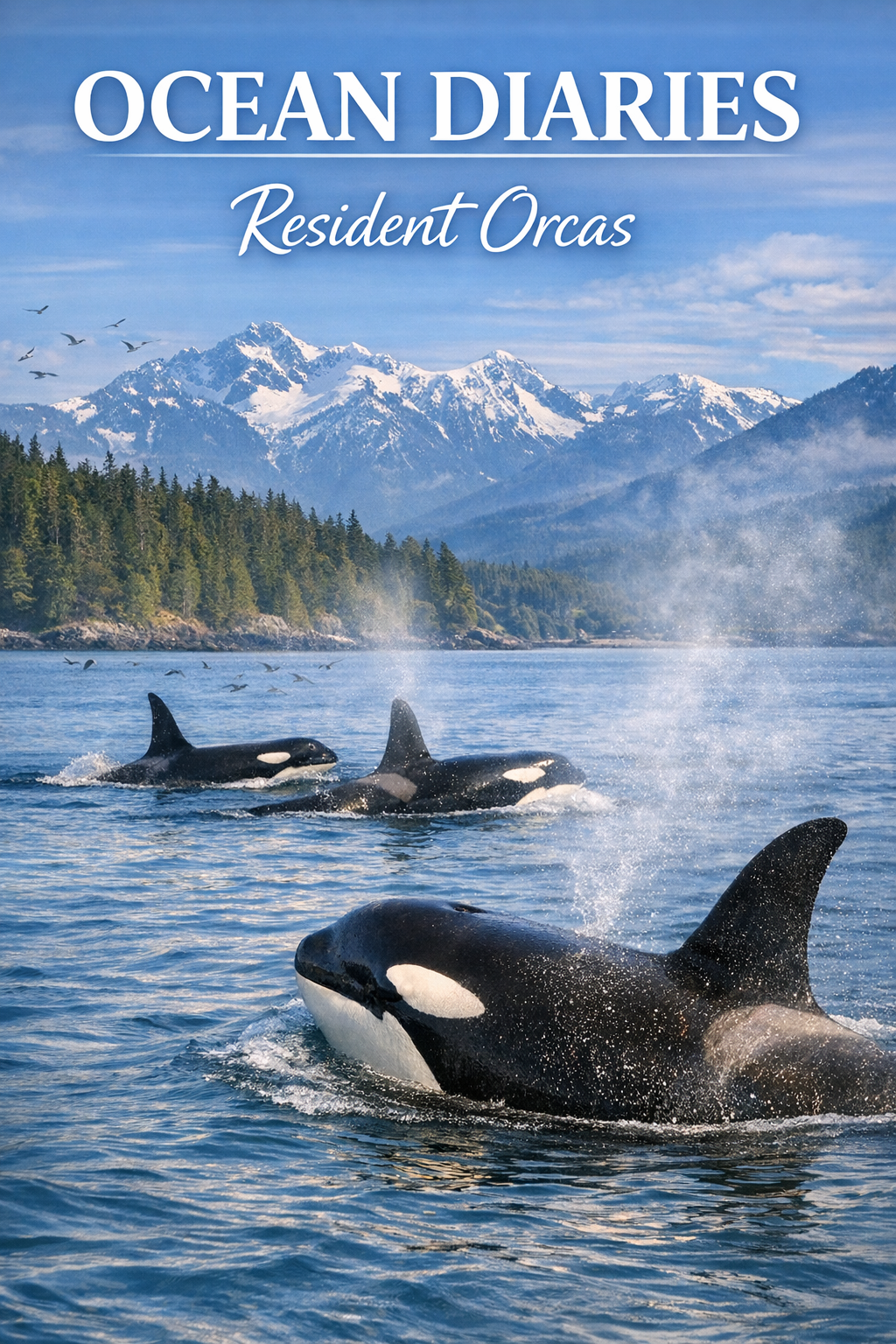
Part I: Resident Orcas
Resident orcas are the fish‑eating clans of the North Pacific, known for their tight‑knit family pods, salmon‑based diet, and complex vocal dialects. From Alaska to Washington, these whales embody cultural continuity and ecological balance — their survival tied to the health of coastal waters and the return of Chinook salmon.
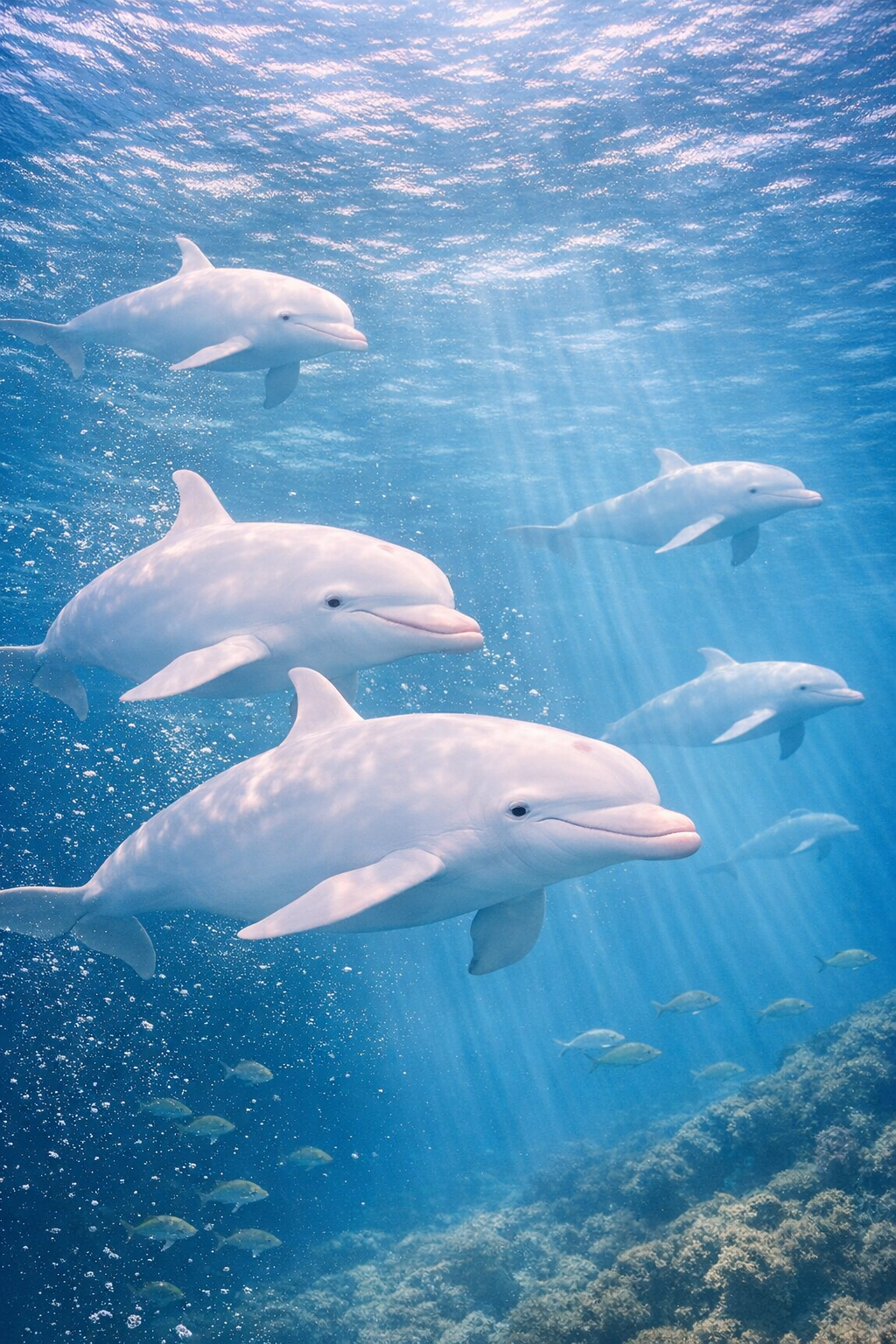
The White Dolphins of Hainan
Rare white dolphins are some of the ocean’s most mysterious and fragile wonders. Their beauty reminds us how much there is left to protect- and why every ripple of awareness matters.
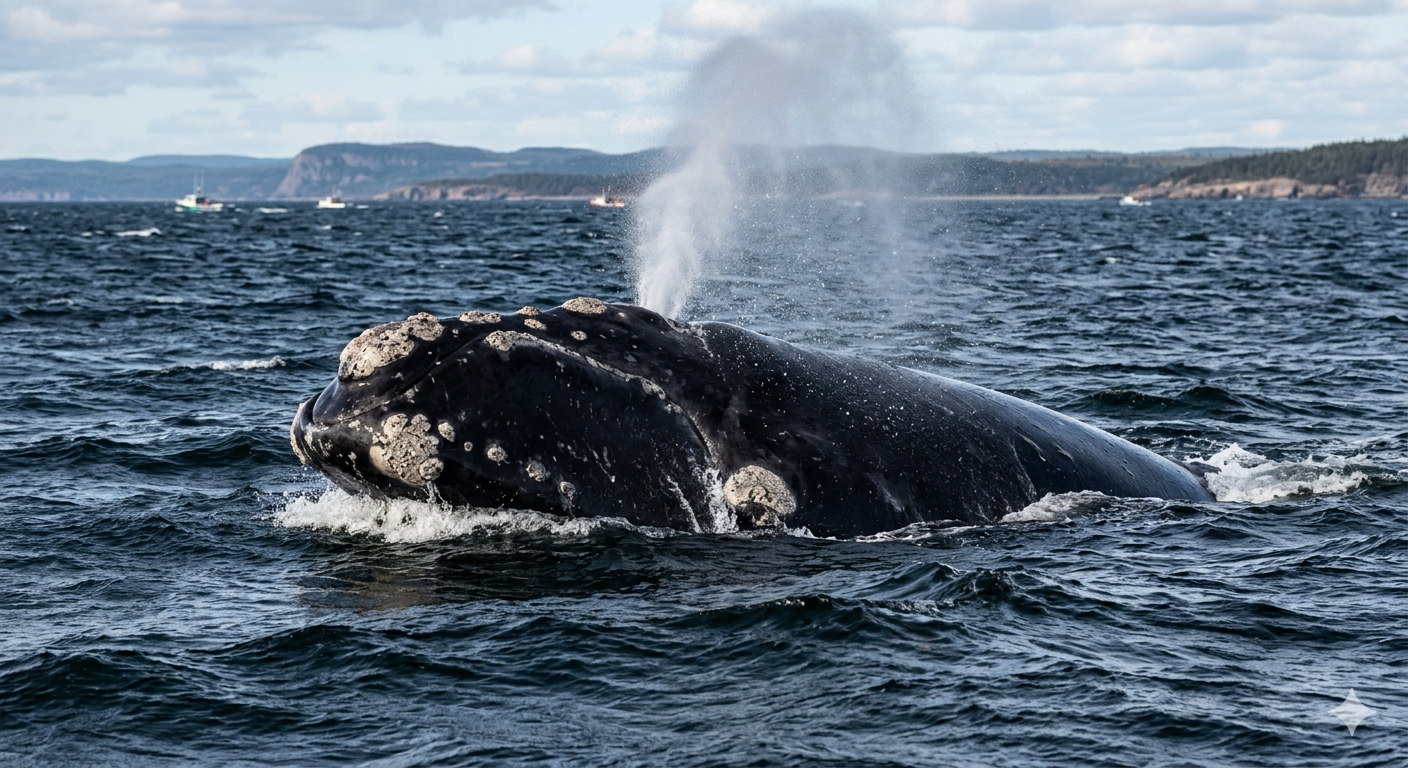
The Quiet Life of the Right Whale.
A North Atlantic right whale rises to the surface to breathe, its blow misting into the air as it moves through calm coastal water. These slow, deliberate surfacings are part of the rhythm of its life — steady, quiet, and unchanged for generations.
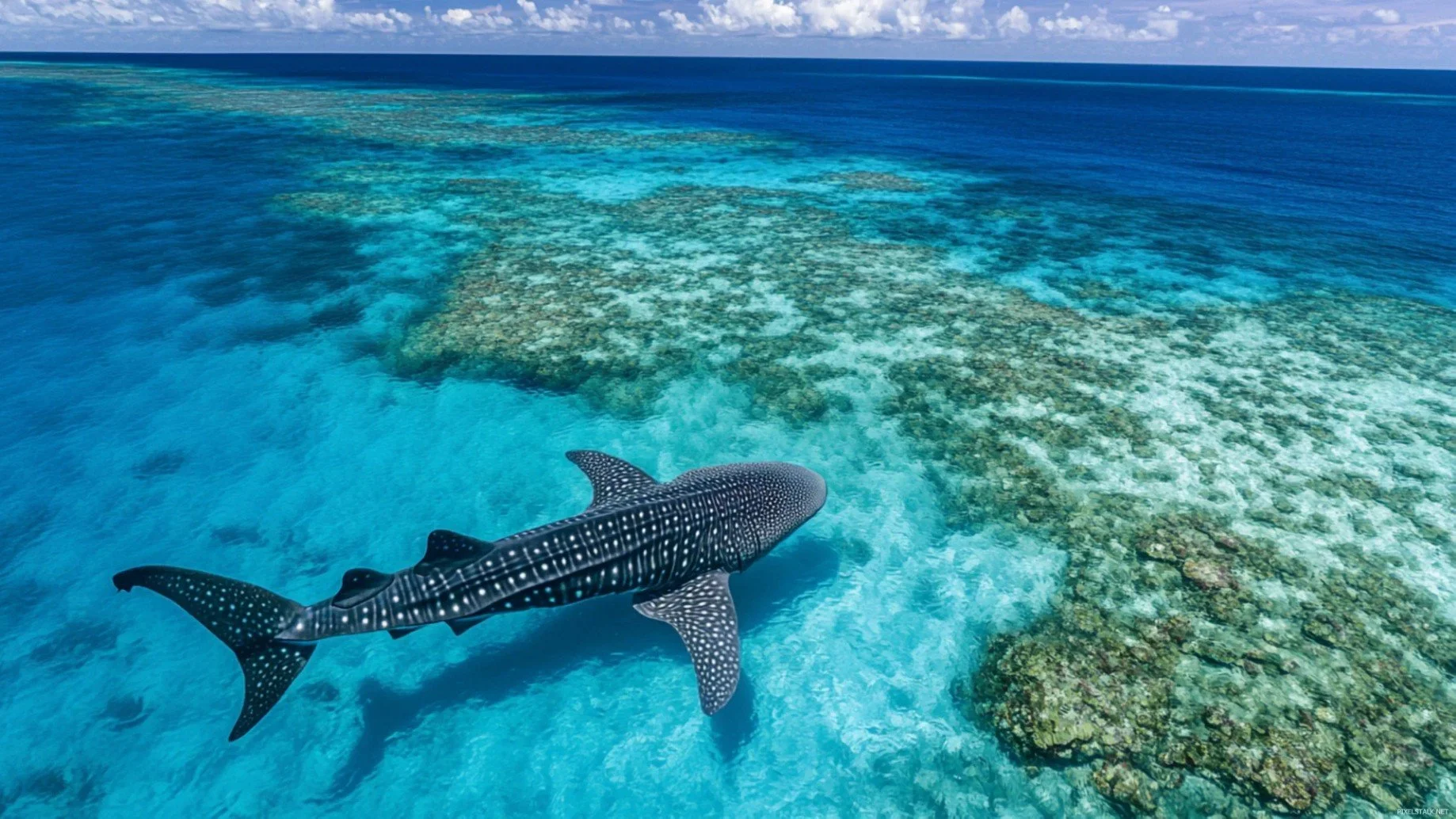
A Whale Sharks Incredible Journey.
A whale shark’s 1,200-kilometer swim from Madagascar to Seychelles is reshaping how we understand ocean conservation, proving that protecting migratory giants requires cooperation across borders.
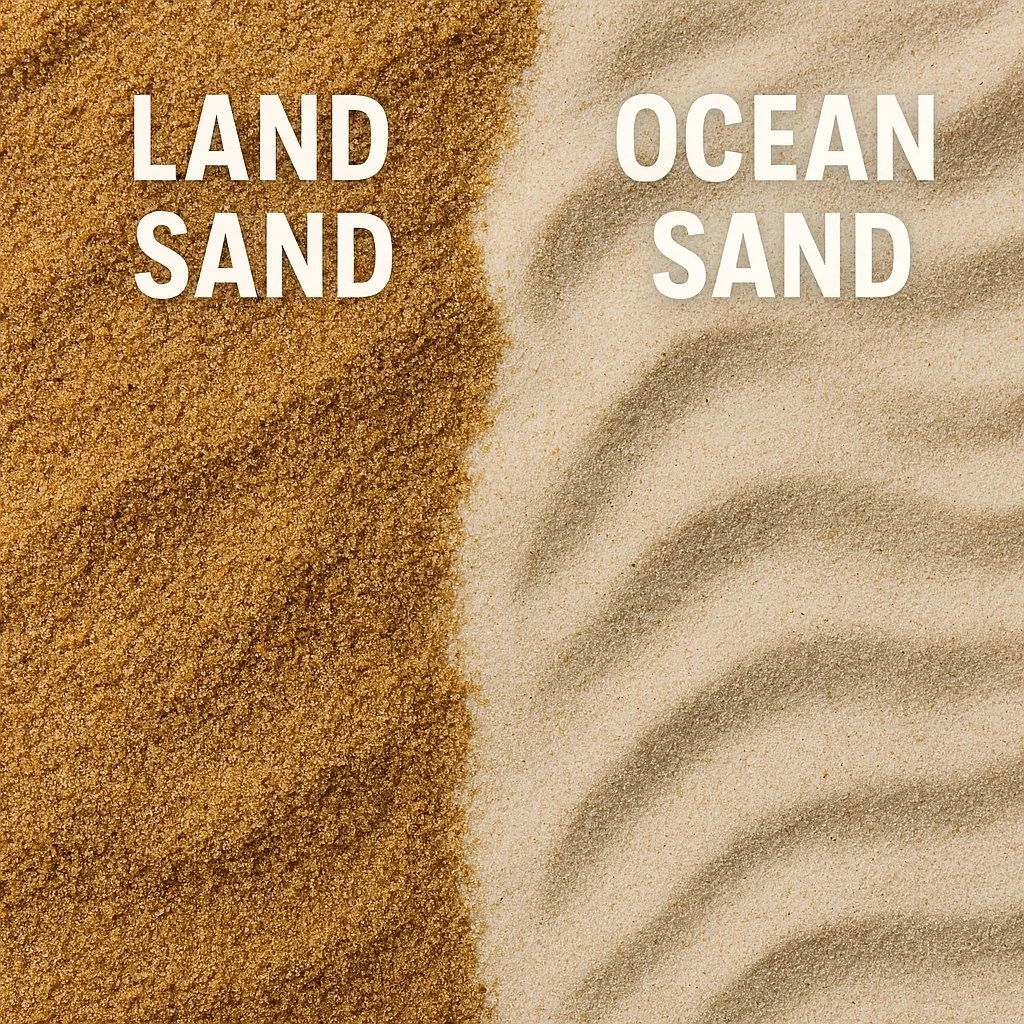
Sand Brief: The Land of the Ocean.
Ocean sand is not just sediment-it’s memory. Each grain carries the whisper of coral, the echo of reef, the shimmer of ancient shells. Unlike land sand, born of rock and time, ocean sand is shaped by life itself. It is the bone of the reef, the cradle of marine stories, and the soft archive of every tide. To protect the ocean, we must first notice its sand-and remember what its made of.
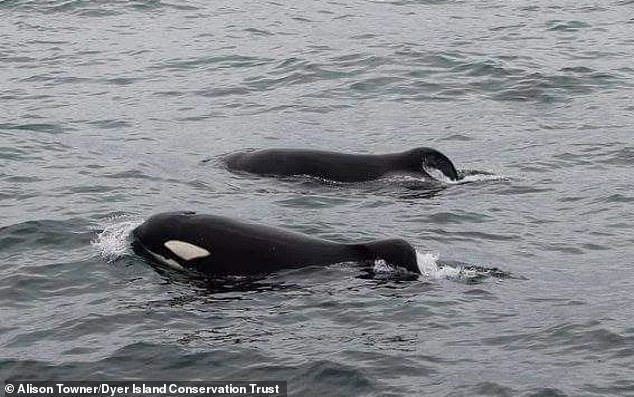
Port and Starboard: South Africa’s Shark hunting Orcas
Two unrelated orcas, Port and Starboard, have rewritten everything we thought we knew about the ocean’s hierarchy. Like the Ghost and the Darkness, this legendary pair of orcas has changed the rules of the natural world.
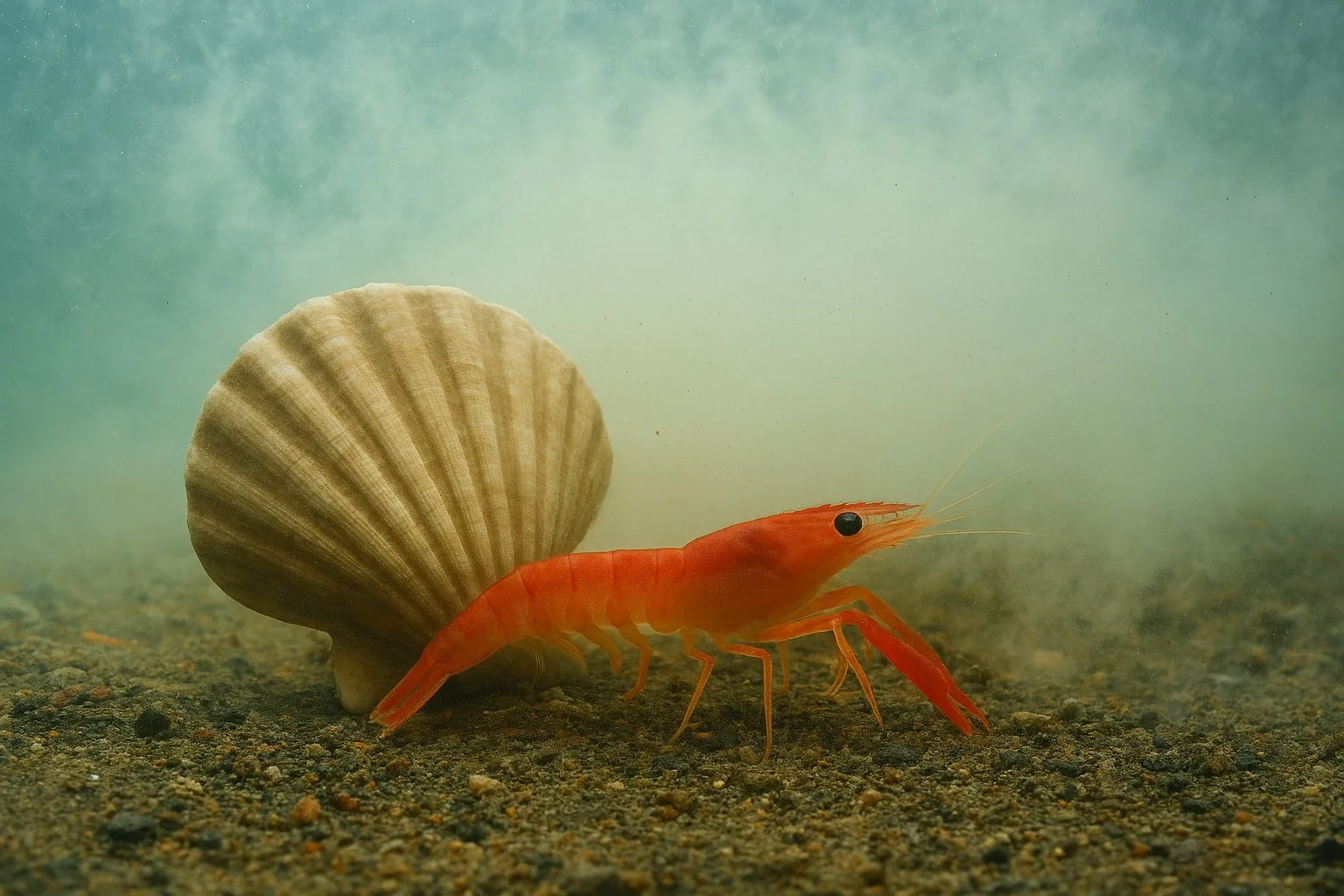
Shellfish at Risk in Acidifying Waters
Ocean acidification is quietly reshaping the chemistry of our seas, and shellfish are among the first to feel the strain. As carbon dioxide levels rise, the minerals oysters, clams, scallops, crabs, and shrimp need to build their shells become harder to access. Larvae struggle to form strong shells, adults expend more energy just to survive, and entire coastal fisheries are beginning to see the effects. The changing ocean is already here, and shell building species are on the front lines.
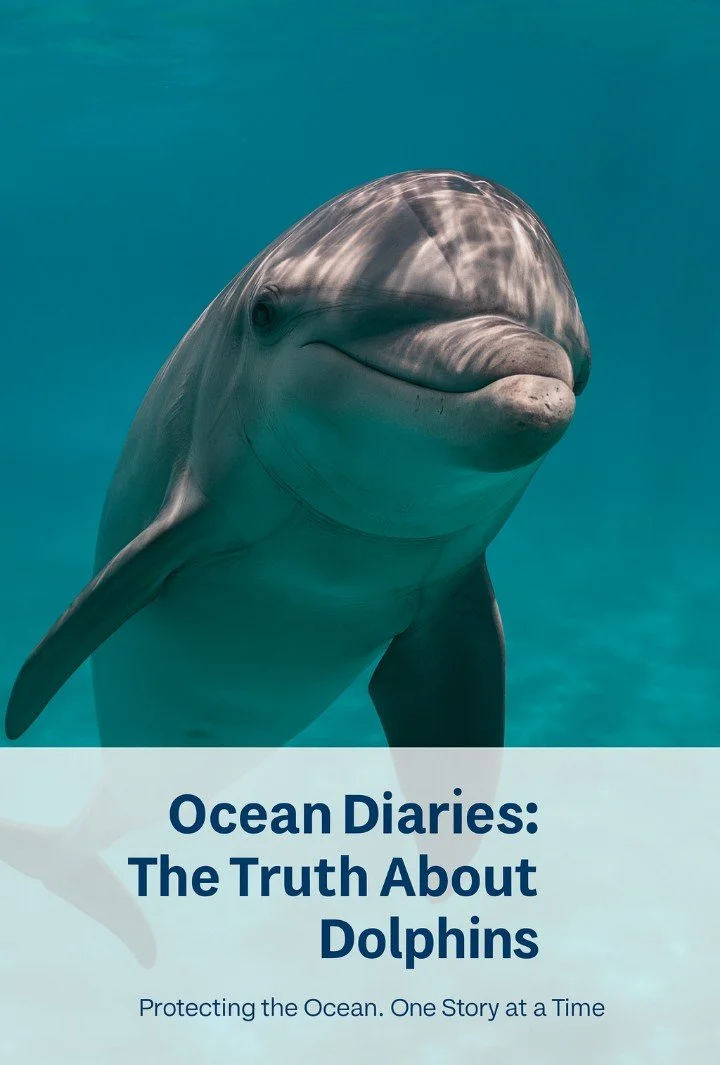
The truth about Dolphins
Dolphins are often seen as playful and harmless, but the truth beneath the surface tells a more complex story. This post explores the realities of dolphin behavior, the dangers of romanticizing wild animals, and how misinformation can lead to harm- for both humans and marine life. By separating myth from fact, we take a step toward making the ocean safer for everyone.
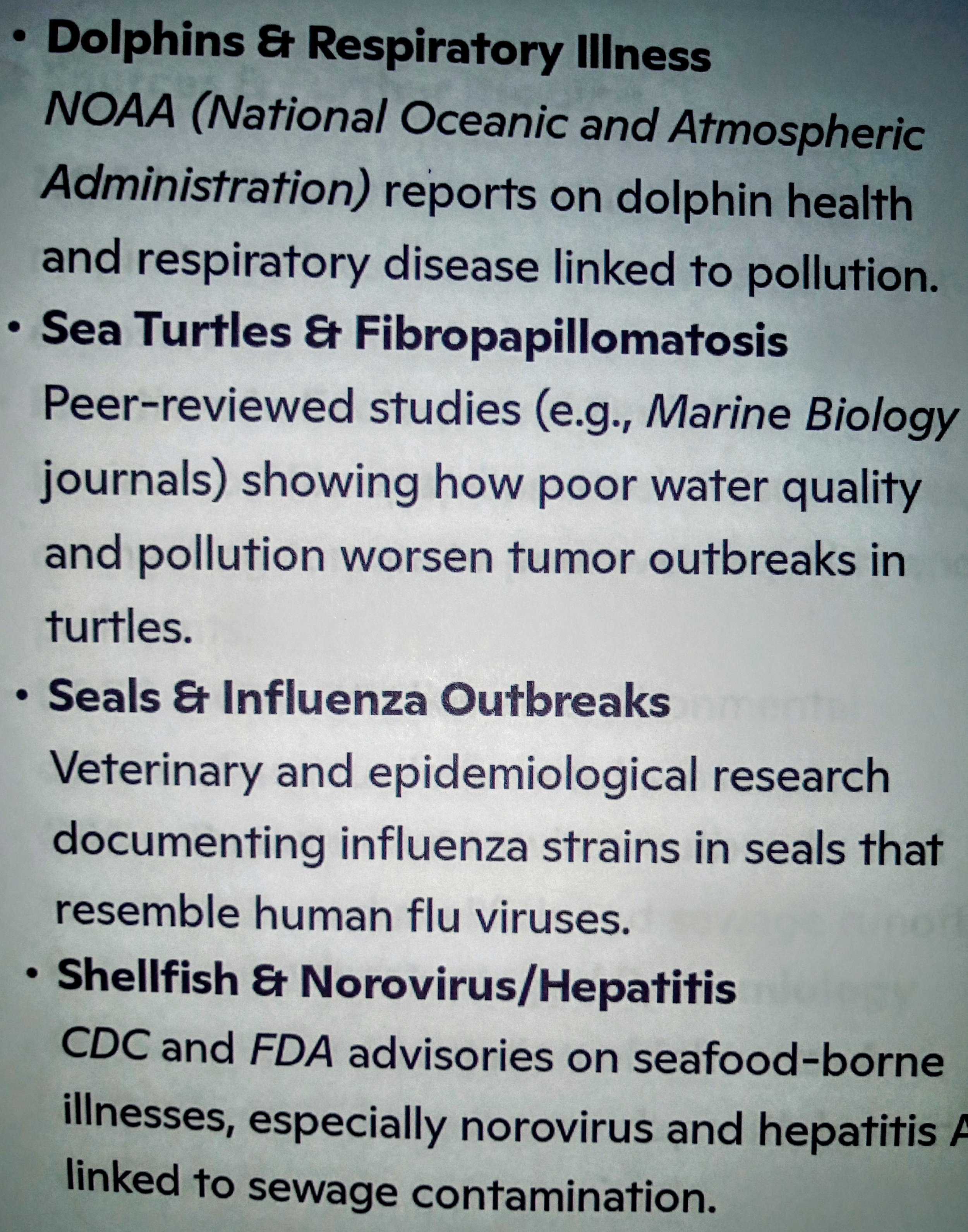
Human Diseases Spreading into the Marine ecosystem.
Marine animals are falling sick with diseases once thought to belong only to humans. From fungal infections in dolphins to viruses in sea turtles, the ocean is echoing back the consequences of our choices.