A focused look at species facing immediate risk of extinction.
Shining a light on the oceans rarest species closest to disappearing, and urging action before their stories end.
Our Approach
This section is dedicated to provide information on marine species facing immediate risk of extinction. The ocean’s rarest and most vulnerable, the threats they face, and the conservation efforts underway to protect them. We hope to offer information, education and pathways you can take to help protect and save these lives.
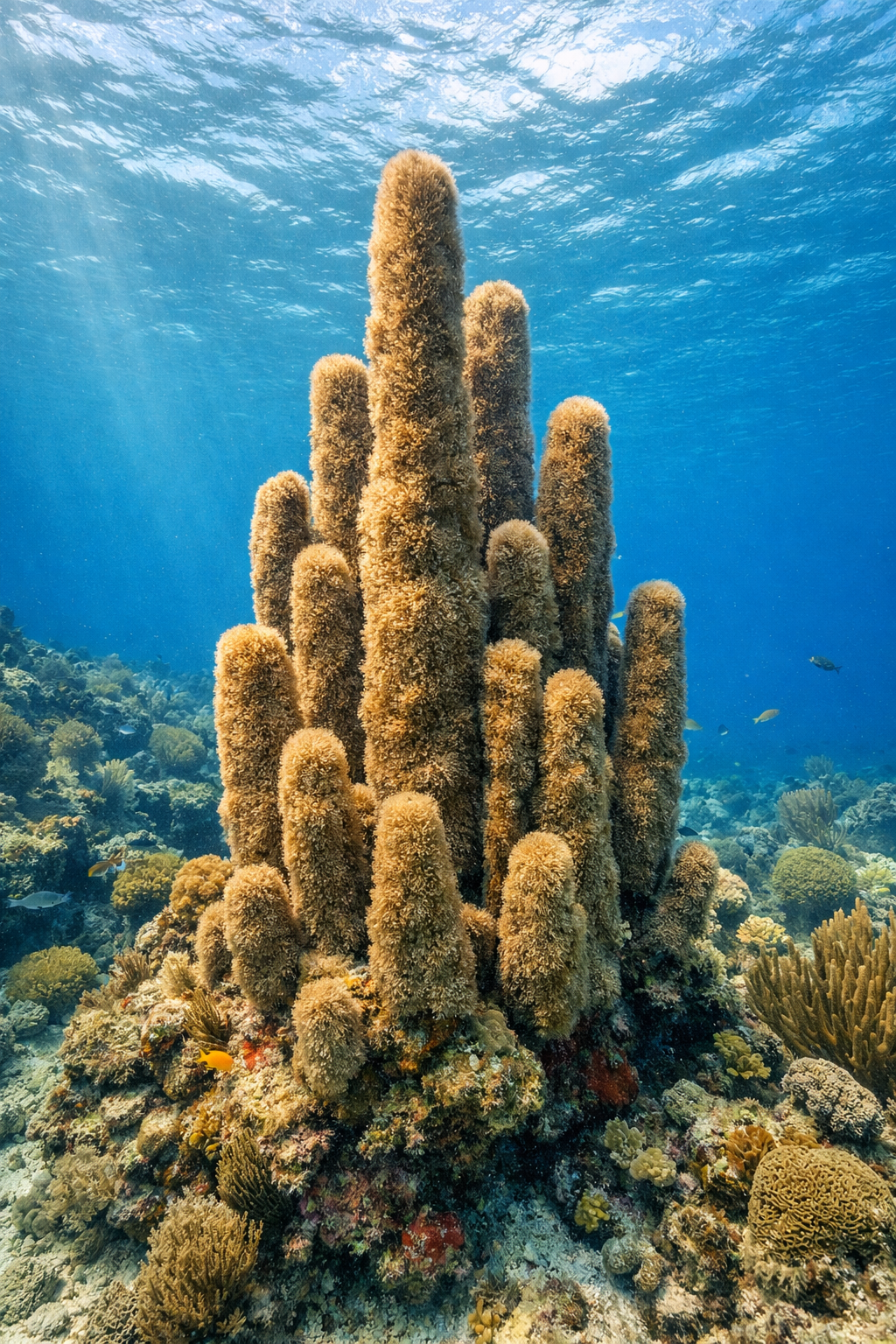
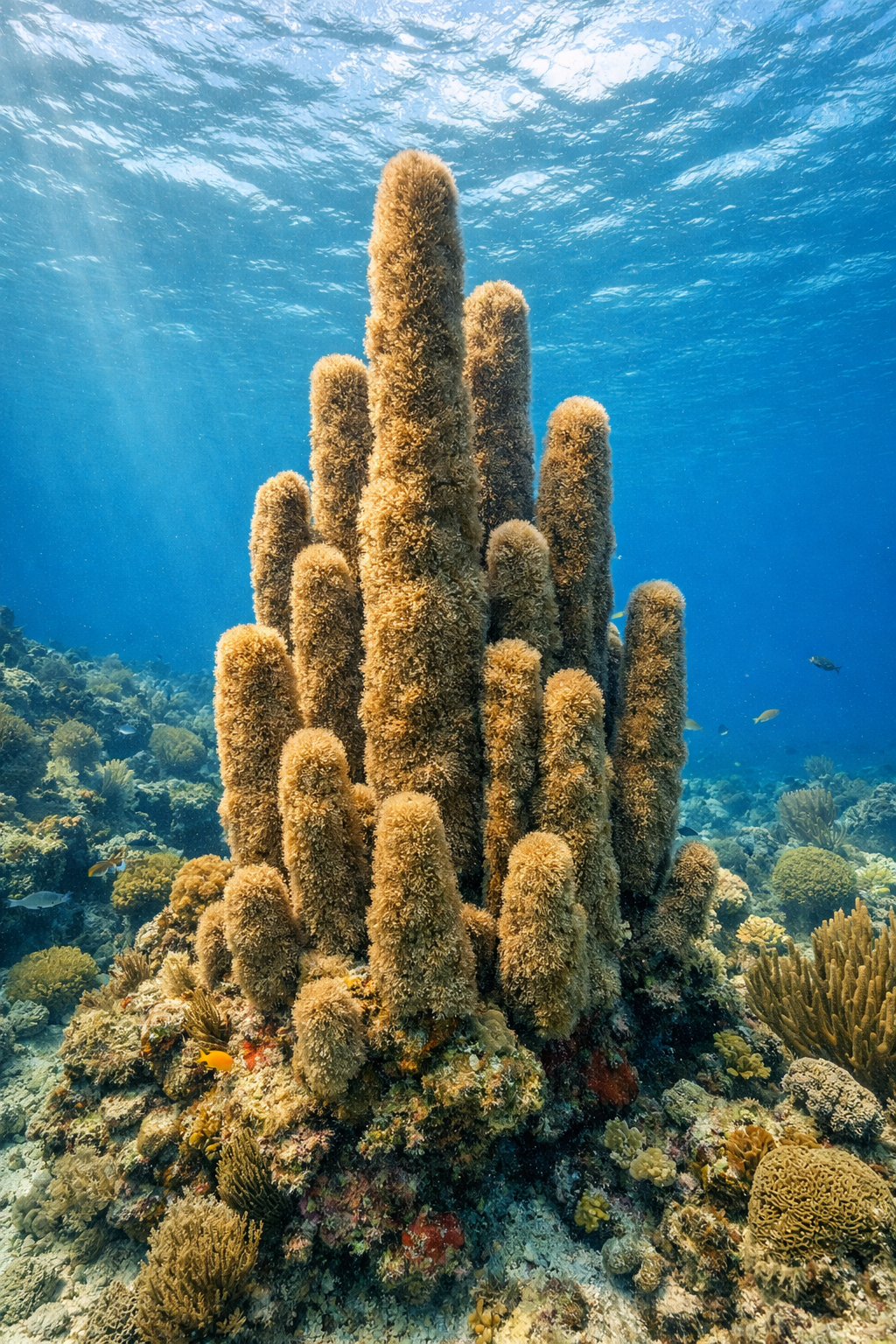
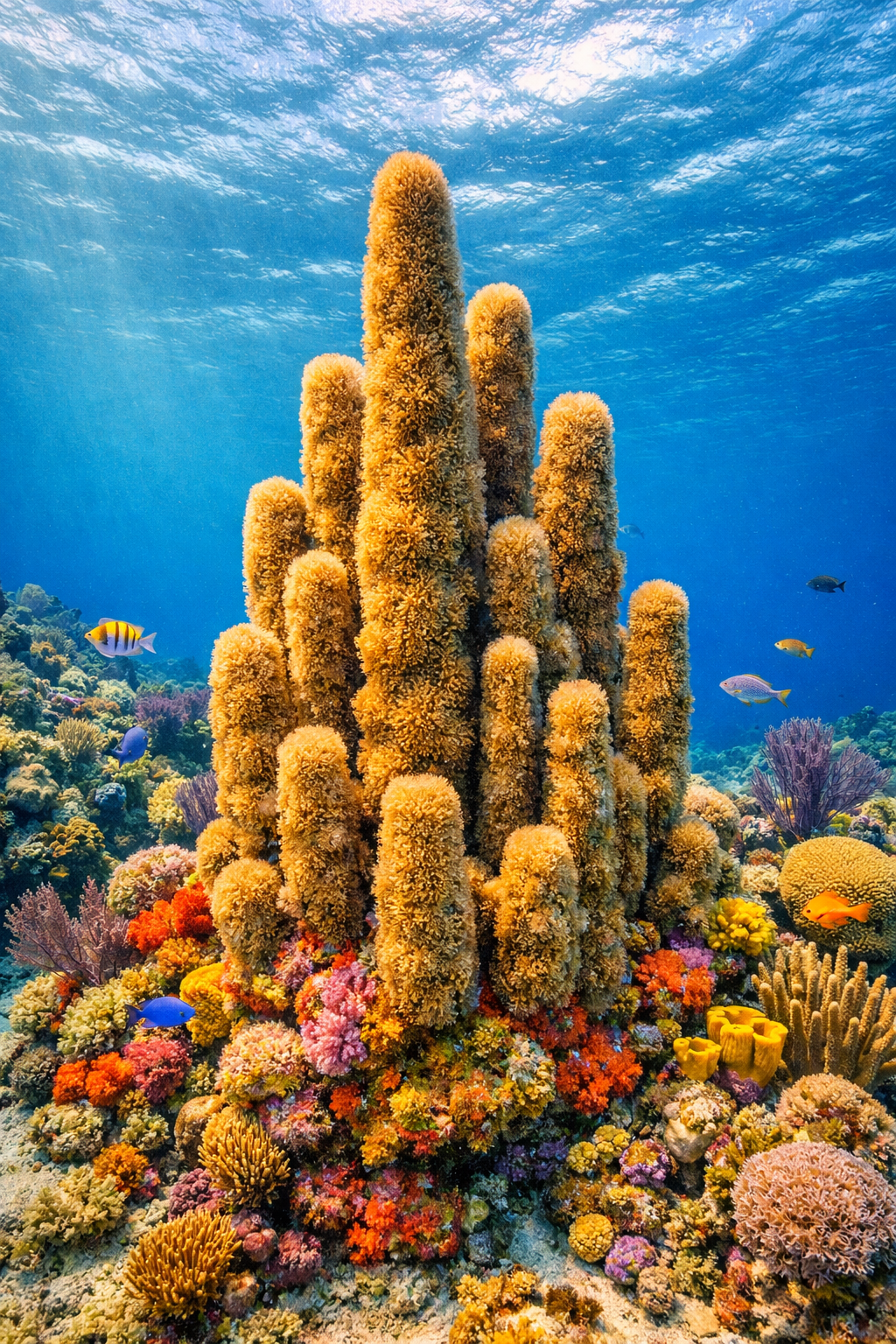
Pillar Coral (Dendrogyra cylindrus)
America’s Fastest‑Collapsing Coral
Pillar coral once stood like underwater skyscrapers across the Caribbean and Florida Keys, rising in thick vertical towers that could live for centuries. These colonies were unmistakable — tall, column‑shaped structures with fuzzy, extended polyps that waved gently in the current even during daylight hours. They were living architecture, shaping the reef around them and providing shelter for fish, invertebrates, and countless other species that depended on their height and complexity.
Today, those towers are disappearing at a pace scientists describe as catastrophic. According to NOAA and Florida’s Coral Reef Conservation Program, more than 90 percent of Florida’s pillar coral population has been lost in just the last decade. The collapse has been so rapid that researchers warn the species may vanish from U.S. waters entirely if current trends continue.
The primary driver of this decline is Stony Coral Tissue Loss Disease (SCTLD) — a fast‑moving, highly lethal disease that strips living tissue from coral skeletons in a matter of weeks. Once a pillar coral colony becomes infected, mortality is almost certain. SCTLD spreads across reefs like a wildfire, leaving behind bare white columns where thriving coral once stood. Pillar coral is among the most vulnerable species, and entire regions of the Florida Reef Tract have already lost their remaining colonies.
But disease is only part of the story. Warming ocean temperatures weaken corals and make them more susceptible to infection. Pollution and nutrient runoff degrade water quality, fueling pathogens and stressing already fragile reefs. Surviving colonies are now so scattered that successful reproduction is increasingly rare; many are simply too far apart to exchange gametes during spawning events. The result is a species pushed to the edge by a combination of heat, disease, and human‑driven environmental change.
Despite the grim outlook, a race to save pillar coral is underway. NOAA, Mote Marine Laboratory, and other partners have launched emergency rescue operations to remove healthy fragments from the wild before disease reaches them. These fragments are taken to land‑based nurseries, where they can be grown in controlled conditions, protected from SCTLD, and used for selective breeding. Scientists are working to identify individuals that may show natural resistance to disease — a crucial step toward rebuilding future populations. The long‑term goal is to outplant nursery‑grown corals back onto the reef once conditions stabilize enough to give them a fighting chance.
The stakes are high. When pillar coral disappears, the reef loses height, structure, and the intricate habitat that so many species rely on. Fish populations decline. Reef stability weakens. And the loss becomes another warning sign of how quickly Caribbean and Florida reefs are unraveling under the combined pressures of warming waters, pollution, and emerging diseases.
Pillar coral is more than a single species in trouble — it is a symbol of how fast a reef can collapse when multiple stressors collide. Saving it is not just about preserving a unique coral; it is about protecting the future of the ecosystems that depend on it.
References & Further Reading:
NOAA Fisheries. (2024). Pillar Coral (Dendrogyra cylindrus). U.S. Department of Commerce.
https://www.fisheries.noaa.gov/species/pillar-coral (fisheries.noaa.gov in Bing)
Florida Fish & Wildlife Conservation Commission. (2023). Stony Coral Tissue Loss Disease (SCTLD).
https://myfwc.com/research/habitat/coral/disease/ (myfwc.com in Bing)
NOAA Coral Reef Conservation Program. (2024). Florida’s Coral Reef: Status and Trends.
https://www.coralreef.noaa.gov
Mote Marine Laboratory. (2023). Coral Disease Response & Rescue: Pillar Coral Conservation.
https://mote.org/research/program/coral-reef-ecosystem-restoration (mote.org in Bing)
National Park Service. (2023). Coral Diseases in the Caribbean.
https://www.nps.gov/subjects/oceans/coral-diseases.htm (nps.gov in Bing)
Florida Department of Environmental Protection. (2024). Coral Reef Restoration and SCTLD Response.
https://floridadep.gov/rcp/coral/content/coral-reef-restoration (floridadep.gov)
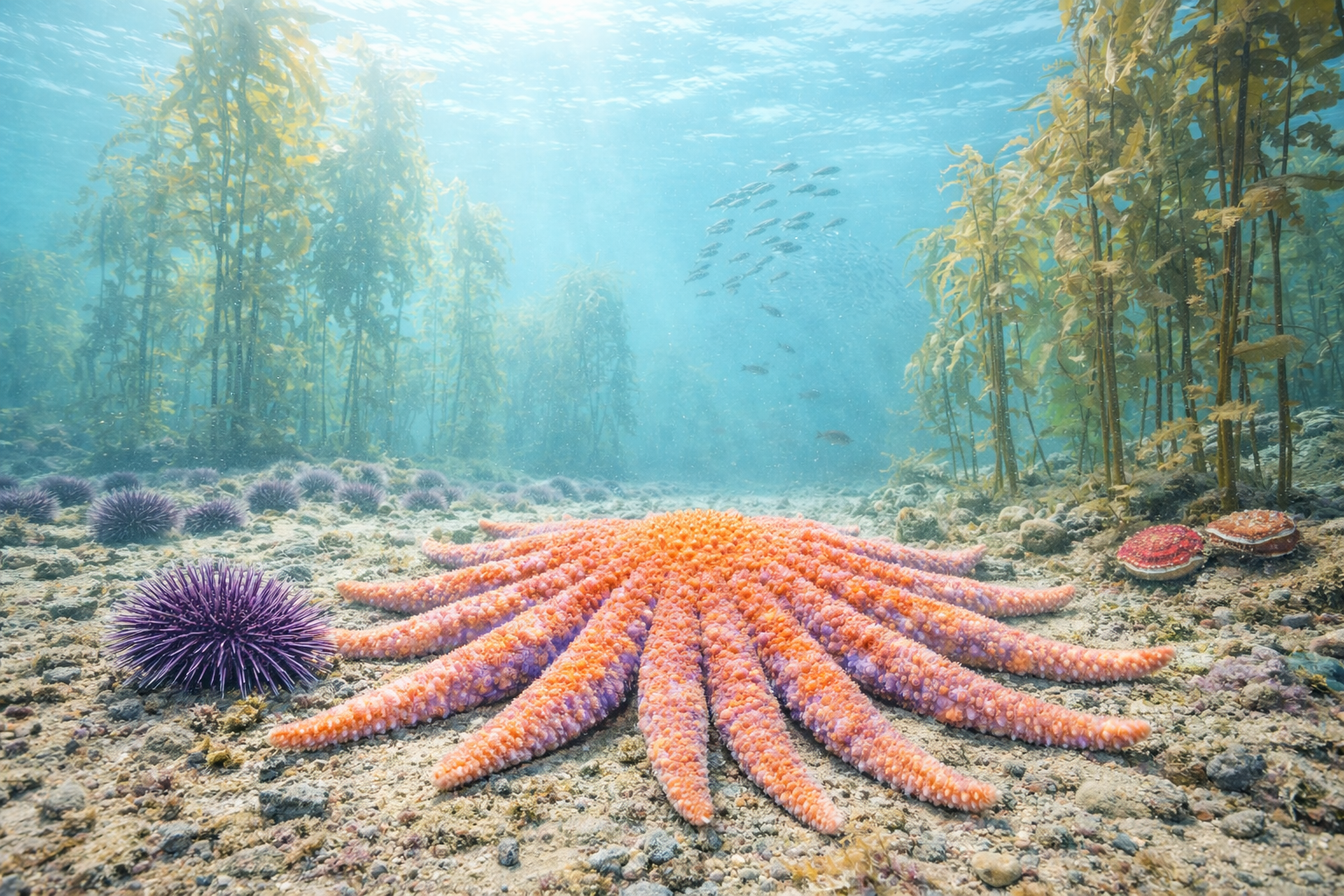
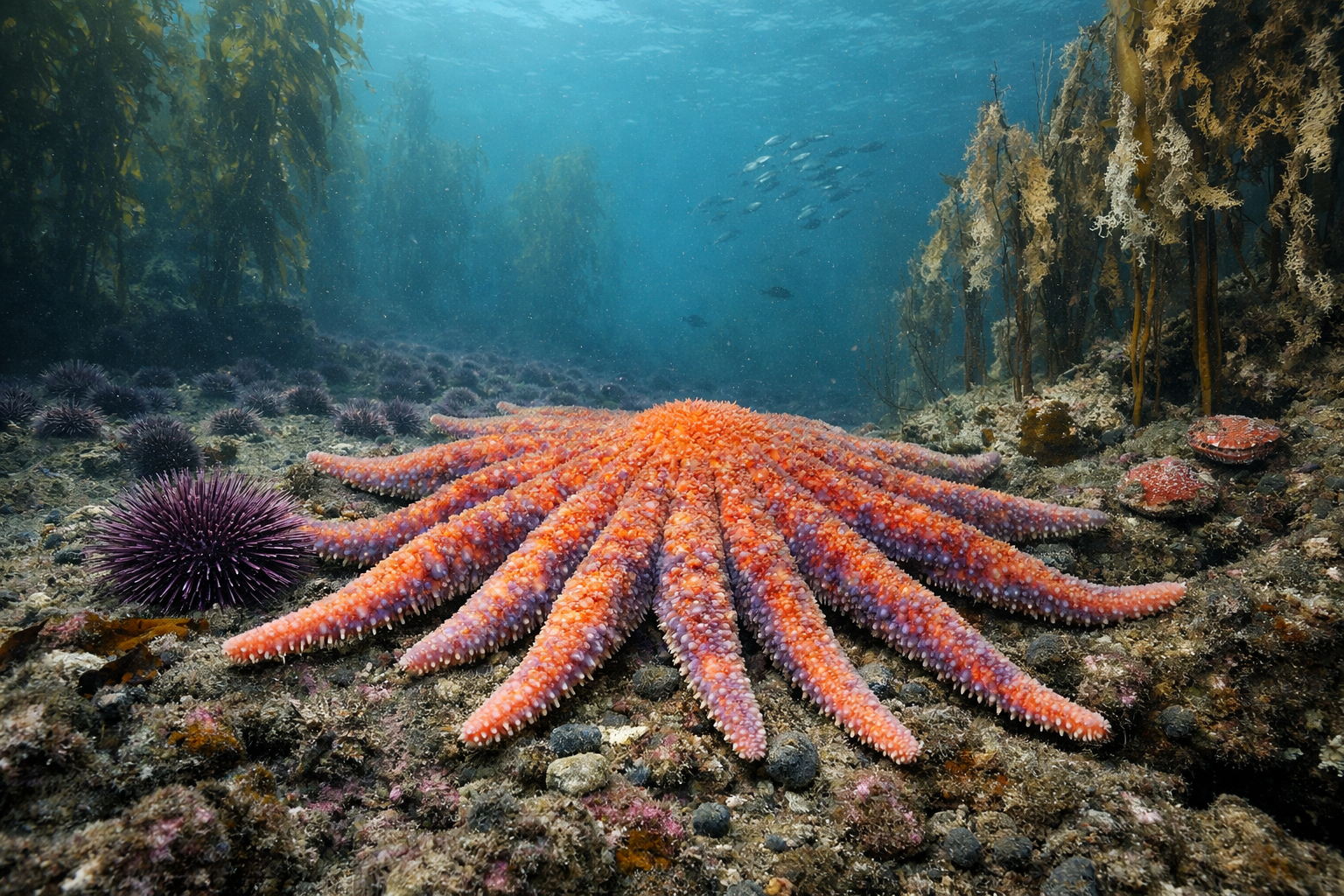
The sunflower sea star (Pycnopodia helianthoides)
The sunflower sea star (Pycnopodia helianthoides) is one of the largest sea stars on Earth, reaching 1 meter (3.3 ft) across and weighing up to 5 kg, with 16–24 arms and colors ranging from orange to purple.
It is the only species in its genus and is known for its speed, soft velvet-like texture, and thousands of powerful tube feet.
In 2020, it was officially listed as Critically Endangered by the IUCN after a catastrophic population crash.
Sunflower sea stars once dominated the northeastern Pacific, from the Aleutian Islands in Alaska down to Baja California, Mexico, inhabiting rocky reefs, kelp forests, sand flats, and depths down to 435 meters.
They were especially abundant in Puget Sound, British Columbia, northern California, and southern Alaska.
This species is a carnivorous apex invertebrate predator. Its diet includes:
- sea urchins
- clams
- sea snails
- squid
- herring
- spiny dogfish
- other sea stars
- carrion
Its most important ecological role is controlling purple sea urchins, which can otherwise explode in number and destroy kelp forests.
Between 2013 and 2017, the species suffered one of the most dramatic marine die‑offs ever recorded.
Sea Star Wasting Disease (SSWD) — a rapidly spreading, climate‑linked disease — caused 80–100% declines across its range, including a 99.2% collapse in Washington State.
Warmer ocean temperatures accelerated the disease’s spread and severity.
The pathogen responsible is now identified as Vibrio pectenicida, a bacterium that also infects scallops.
Sunflower sea stars are not dangerous to humans. They do not bite, sting, or produce toxins harmful to people. They are soft-bodied, slow to defend themselves, and pose zero threat.
The sunflower sea star is a keystone predator. Its disappearance has triggered a chain reaction:
- Without them, urchin populations increased by 311% in some regions.
- Urchins then overgrazed kelp forests, reducing kelp density by 30% or more.
- Kelp forests are nurseries for fish, carbon sinks, and biodiversity hotspots.
This means the loss of the sunflower sea star is not just a species extinction — it is an ecosystem collapse event.
What It Does for the Ocean
- Maintains kelp forests by keeping urchin populations in check.
- Supports biodiversity — kelp forests shelter fish, invertebrates, marine mammals, and seabirds.
- Stabilizes food webs as a top invertebrate predator.
- Influences carbon cycling by protecting kelp, one of the ocean’s most efficient carbon absorbers.
Without this species, entire coastlines shift from lush kelp forests to “urchin barrens” — underwater deserts.
References:
- NOAA Fisheries. Sunflower Sea Star (Pycnopodia helianthoides) — Species Directory and Conservation Overview. Updated September 11, 2025.
- International Union for Conservation of Nature (IUCN). Pycnopodia helianthoides — Critically Endangered Assessment. IUCN Red List, 2020.
- Animal Diversity Web (University of Michigan Museum of Zoology). Pycnopodia helianthoides Information Page.
- Harvell, C.D. et al. (2021). Disease and Climate Change Drive Sea Star Wasting Syndrome. Science Advances, 7(3): eabd7950.
- Rogers-Bennett, L. & Catton, C.A. (2019). Marine Ecosystem Collapse: The Sunflower Sea Star and Kelp Forest Decline. Frontiers in Marine Science, 6: 432.
- Monterey Bay Aquarium Research Institute (MBARI). Sea Star Wasting Disease Research Updates.
- University of Washington, Friday Harbor Laboratories. Sunflower Sea Star Recovery and Reintroduction Program.
Further Reading
- NOAA Fisheries: Detailed species profile, range map, and conservation management updates.
- IUCN Red List: Global extinction risk data and criteria for Critically Endangered classification.
- Sea Star Wasting Disease Consortium: Collaborative research on pathogen identification and ocean temperature correlations.
- The Nature Conservancy: Restoration efforts for kelp forests and urchin population control.
- Smithsonian Ocean Portal: Accessible overview of sea star biology and ecological roles.
- Frontiers in Marine Science: Peer‑reviewed studies on trophic cascades following predator loss.
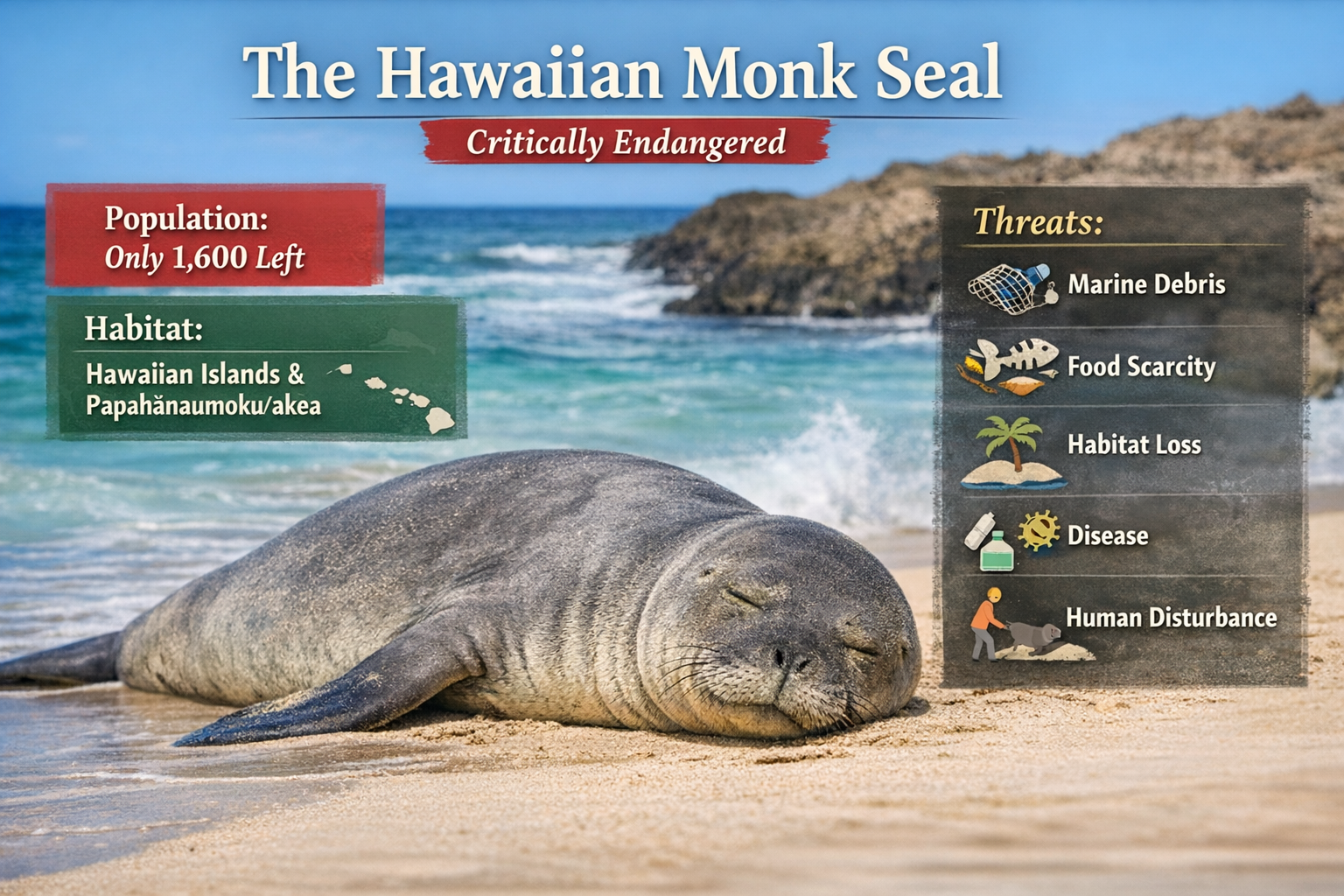
The Hawaiian monk seal is one of the most endangered marine mammals on Earth, with an estimated 1,600 individuals remaining in the wild (NOAA Fisheries, 2024). They are one of only two monk seal species left, and the only seal native to U.S. waters. Hawaiian monk seals are part of an ancient lineage that has survived for millions of years. As apex and mid‑level predators, they help maintain balance in coral reef ecosystems by regulating fish and invertebrate populations (National Marine Sanctuary Foundation, 2023).
Their decline signals deeper ecosystem stress — from warming oceans to pollution to habitat loss.
The species faces multiple overlapping threats:
- Entanglement in marine debris — Abandoned fishing gear and plastic waste trap seals underwater, making entanglement one of the leading causes of injury and death (NOAA Fisheries, 2024).
- Food limitation — Changes in prey availability, competition with fisheries, and ecosystem shifts reduce access to fish and cephalopods (National Marine Sanctuary Foundation, 2023).
- Habitat loss — Rising sea levels and storm erosion are shrinking pupping beaches in the Northwestern Hawaiian Islands (NOAA Climate Program Office, 2023).
- Disease — Toxoplasmosis, a parasite spread by cat feces entering waterways, has killed multiple seals and remains a major emerging threat (Hawaii Department of Land and Natural Resources, 2023).
- Human disturbance — Approaching seals on beaches, vessel noise, and harassment disrupt resting, nursing, and foraging (NOAA Fisheries, 2024).
Sources:
NOAA Fisheries. “Hawaiian Monk Seal.” Species Directory. Updated 2024.
Marine Mammal Commission. “Hawaiian Monk Seal.” Conservation and Management Reports.
Maui Now. “New study ranks Hawaiian Monk Seal as marine mammal most at risk from plastic pollution.” Conservation Biology, April 2026.
Hoodline. “Plastic Peril Puts Hawaii’s Monk Seals at Top of Grim Global List.” April 2026.
National Marine Sanctuary Foundation. “Hawaiian Monk Seal Conservation Overview.” 2023.
Hawaii Department of Land and Natural Resources. “Toxoplasmosis and Marine Mammal Health.” 2023.
The Blue Giant of Patagonia Azul
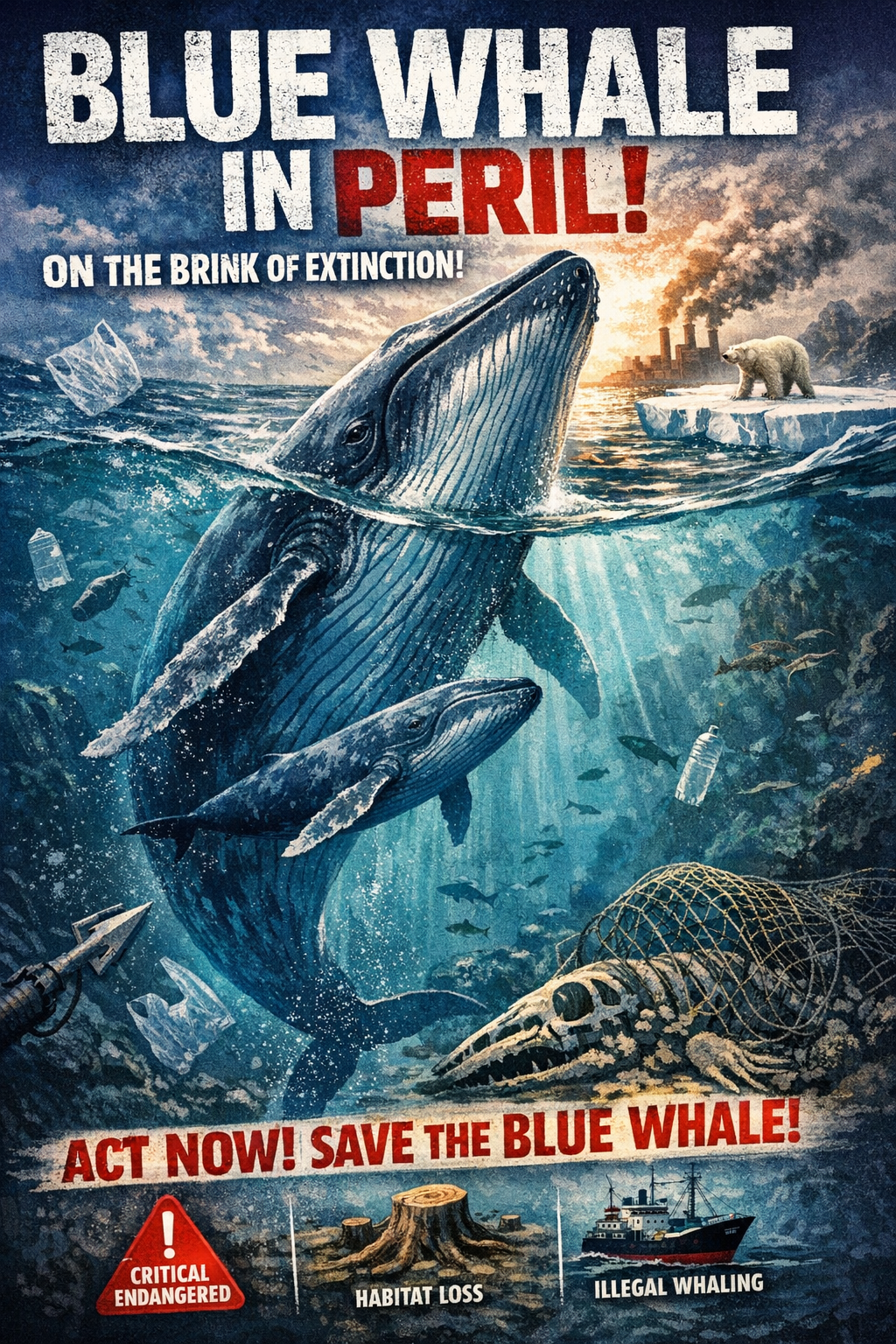
Blue whales are the largest animals ever to live on Earth — bigger than any dinosaur, bigger than anything the ocean has carried in its entire history. And yet, most people will never see one.
That’s why a recent sighting off the coast of Argentina stunned conservationists.
During a photo‑identification expedition in the waters of Chubut Province, researchers unexpectedly encountered a massive blue whale — the first ever recorded inside Patagonia Azul Provincial Park (Buenos Aires Times, 2024).
A Whale Larger Than Anything They’d Seen
Biologist Tomás Tamagno described the moment with awe:
They were monitoring humpbacks and sei whales when a gigantic shape surfaced — “far larger than any we had ever seen.”
Carefully, the team approached and confirmed the impossible: a blue whale, alive, moving, breathing, right in front of them.
For a species that was nearly hunted to extinction, moments like this are more than sightings. They’re reminders.
Blue whales are global travelers. They live in every ocean except the Arctic, following food and temperature shifts across thousands of miles. Key regions include:
- The Southern Ocean
- Eastern Pacific
- Indian Ocean
- North Atlantic
- Waters off Chile, Argentina, and Antarctica
They migrate long distances but remain extremely hard to find.
Before commercial whaling, there were an estimated 250,000–300,000 blue whales.
Today, only 10,000–25,000 remain worldwide.
Some populations are slowly recovering. Others are still fragile.
Patagonia Azul is a protected marine corridor — a place where whales can feed, rest, and travel with less noise, fewer collisions, and reduced human pressure.
Officials in Argentina called the sighting a milestone for marine conservation, crediting years of work by local organizations to protect the region’s biodiversity.
Blue whales need:
- Safe migration routes
- Reduced ship strikes
- Lower ocean noise
- Clean, productive feeding grounds
A sighting inside a protected area means the system is working.
A Quiet Reminder
The ocean rarely gives us moments this clear.
A blue whale surfacing in a place it has never been recorded before is more than a scientific event — it’s a sign of possibility.
Even the largest creatures on Earth still need space to recover.
And sometimes, when we give them that space, they return.
References & Further Reading
- Buenos Aires Times. (2024). Conservationists record first blue whale sighting inside Patagonia Azul Provincial Park.
https://www.batimes.com.ar/news/environment/blue-whale-sighting-patagonia-azul
- Noticias Ambientales. (2024). Researchers confirm presence of blue whale during monitoring expedition.
https://noticiasambientales.com/ballena-azul-avistamiento
Further Reading
- NOAA Fisheries. Blue Whale — Species Profile, Threats, and Conservation.
https://www.fisheries.noaa.gov/species/blue-whale
- IUCN Red List. Balaenoptera musculus — Blue Whale.
https://www.iucnredlist.org/species/2477/156923585
- National Geographic. Blue Whales: Facts, Behavior, and Migration.
https://www.nationalgeographic.com/animals/mammals/facts/blue-whale
- Ocean Conservancy. How Marine Protected Areas Help Whales Recover.
https://oceanconservancy.org/blog/2023/03/15/marine-protected-areas-whales
North Atlantic Right Whale: A Species on the Brink.
North Atlantic Right Whale: Urgent Endangered Status
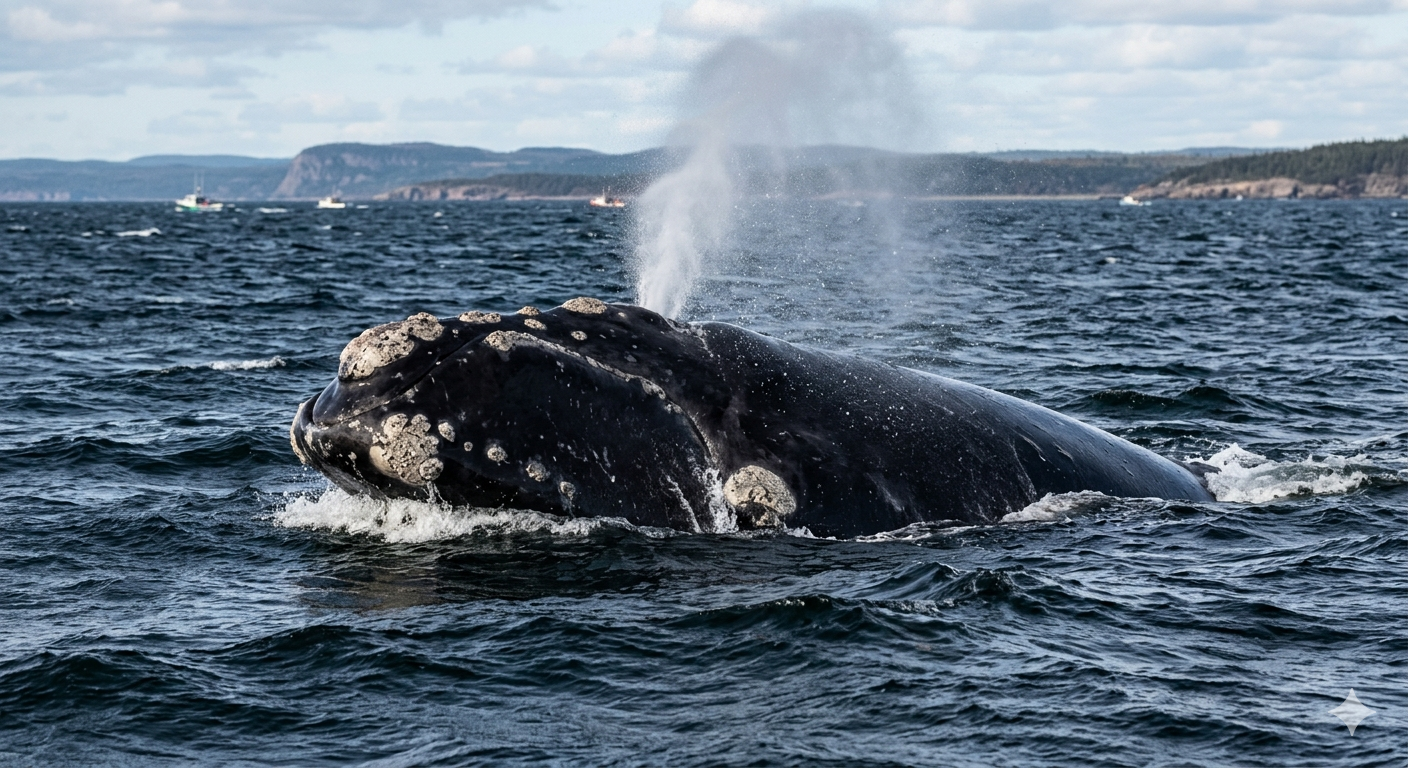
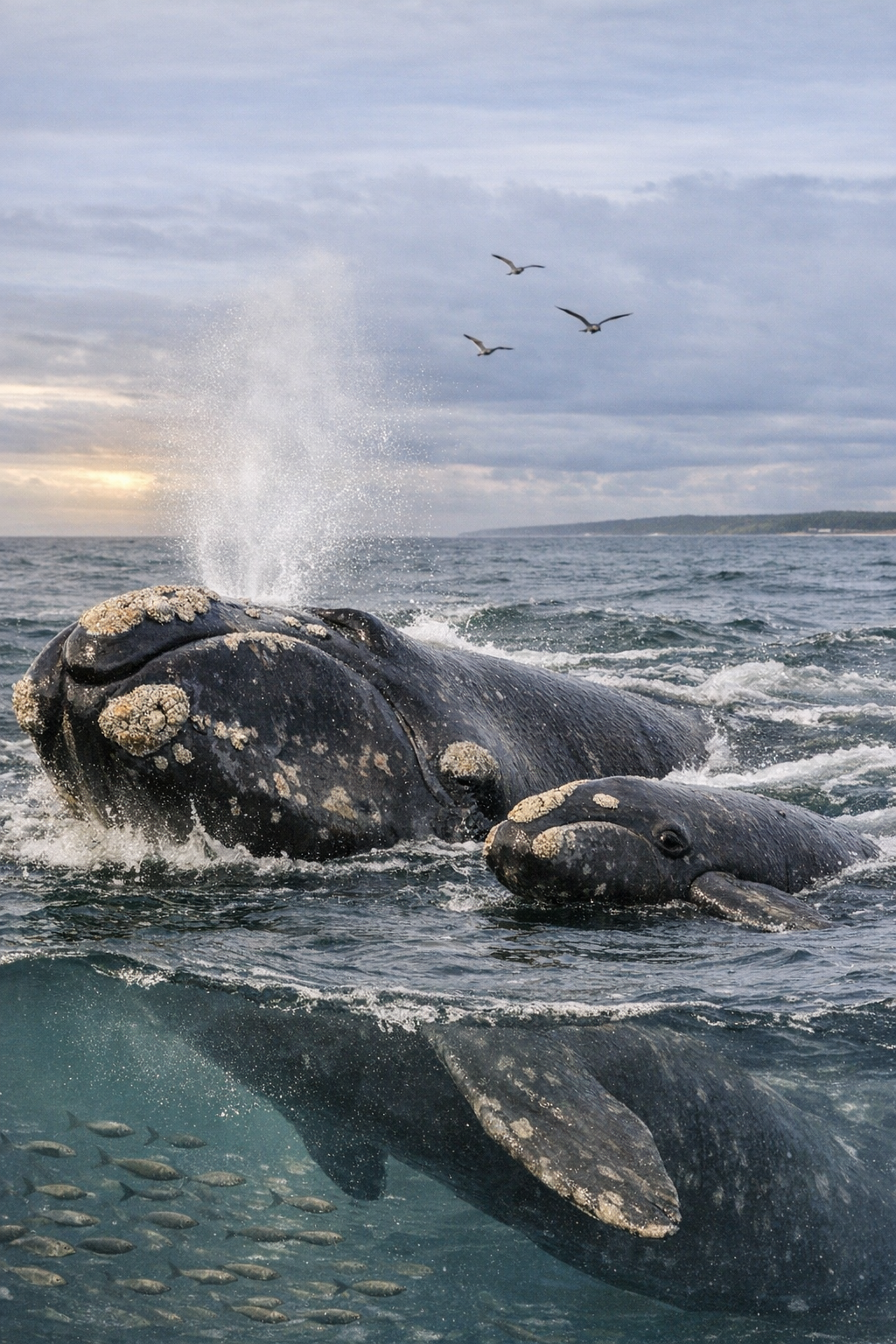
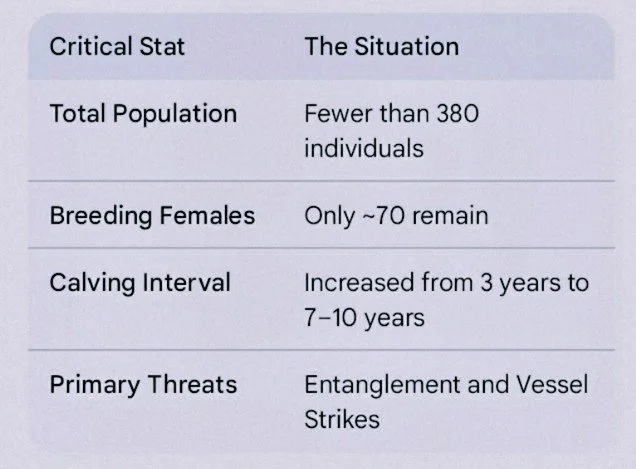
The North Atlantic right whale is one of the most endangered large whales on the planet. Current estimates place the population at fewer than 400 individuals, with NOAA’s most recent abundance estimate around 380 whales. Of those, only about 70 are reproductively active females. This is the demographic that determines whether the species can recover, and their numbers are critically low.
Why Their Numbers Are Falling
Right whales face multiple human‑driven threats, but two stand out as the primary causes of decline.
Entanglement in fishing gear
Entanglement is one of the leading causes of injury and death. Whales can drag heavy gear for months or even years, which leads to exhaustion, deep wounds, infections, and reduced ability to feed or reproduce. Entanglement is a major driver of the ongoing Unusual Mortality Event, which has documented 170 affected whales since 2017, including 43 confirmed deaths, 40 serious injuries, and 87 sublethal injuries.
Vessel strikes
Right whales spend long periods resting or swimming just below the surface making them extremely vulnerable to ships, could be due to the lacking of a dorsal fin, Vessel strikes are a major cause of serious injury and death and are directly tied to population decline.
The Numbers Behind the Crisis
• Approximately 380 whales remain
• Fewer than 400 overall
• Only about 70 breeding females
• Calving intervals have increased from a healthy 3 years to 7–10 years
• Since 2017, at least 43 whales have died in the Unusual Mortality Event
These numbers show a species struggling to replace itself. Even a single death has population‑level consequences.
In early 2026, researchers documented more than 115 individual right whales in Southern New England waters. This represents over a quarter of the entire population. The group included two mothers with calves and the well‑known female Calvin, who has survived eight entanglements and still produced four calves.
These sightings triggered a voluntary Slow Zone, urging vessels to reduce speed to 10 knots to prevent collisions. It was a reminder that even small changes in human behavior can protect the whales that remain.
Right whales evolved for a quiet, predictable ocean. Today they face shifting prey due to climate change, habitat disruption, chronic noise, and high juvenile mortality. Even with protections in place, the species cannot recover unless entanglements and vessel strikes are dramatically reduced.
Why Saving Them Matters
Right whales are more than a symbol of the ocean’s past. Large whales act as ecosystem engineers, helping fertilize phytoplankton that produce at least half of Earth’s oxygen and support global fisheries. Losing them weakens the entire marine system.
References & Further Reading
- NOAA Fisheries: North Atlantic Right Whale Overview (fisheries.noaa.gov in Bing)
- NOAA Fisheries: Road to Recovery Strategy (fisheries.noaa.gov in Bing)
- NOAA Fisheries: Conservation & Management Measures (fisheries.noaa.gov in Bing)
- NOAA WhaleMap: Latest Sightings
- Canada’s 2026 Whalesafe Fishing Gear Strategy (canada.ca in Bing)
- North Atlantic Right Whale Consortium (NARWC)
The Oceans Gentle Giant: The Whale Shark
ENDANGERED SPOTLIGHT: THE WHALE SHARK
By Amanda — The Ripple Effects Marine Ecosystem Conservation
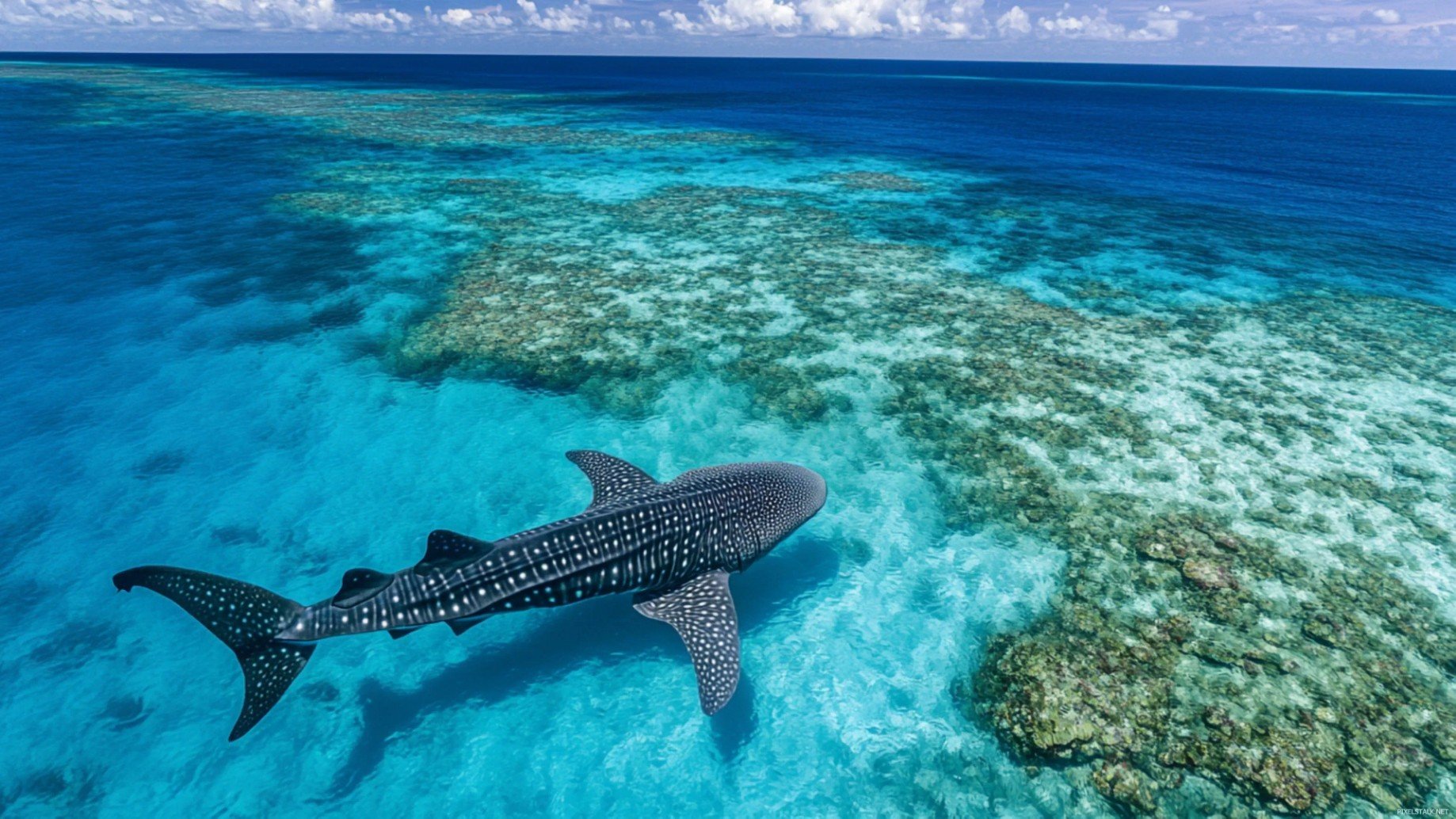
The same whale shark that recently traveled more than 1,200 kilometers from Madagascar to Seychelles is part of a species now officially listed as Endangered. Its long‑distance journey, tracked by researchers with the Madagascar Whale Shark Project (2025), offered a rare look into the migration corridors these giants depend on. It also underscored a growing concern: even the largest fish in the sea is struggling to survive in a rapidly changing ocean.
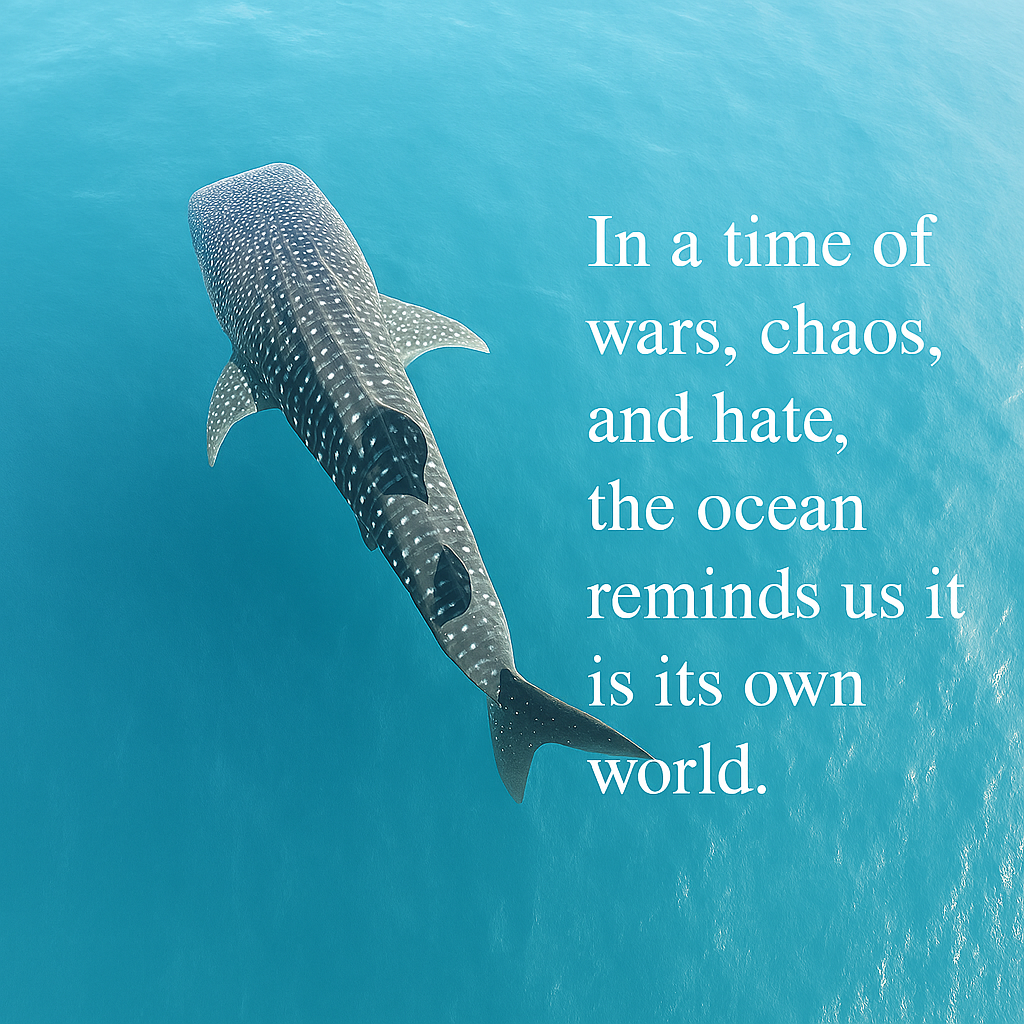
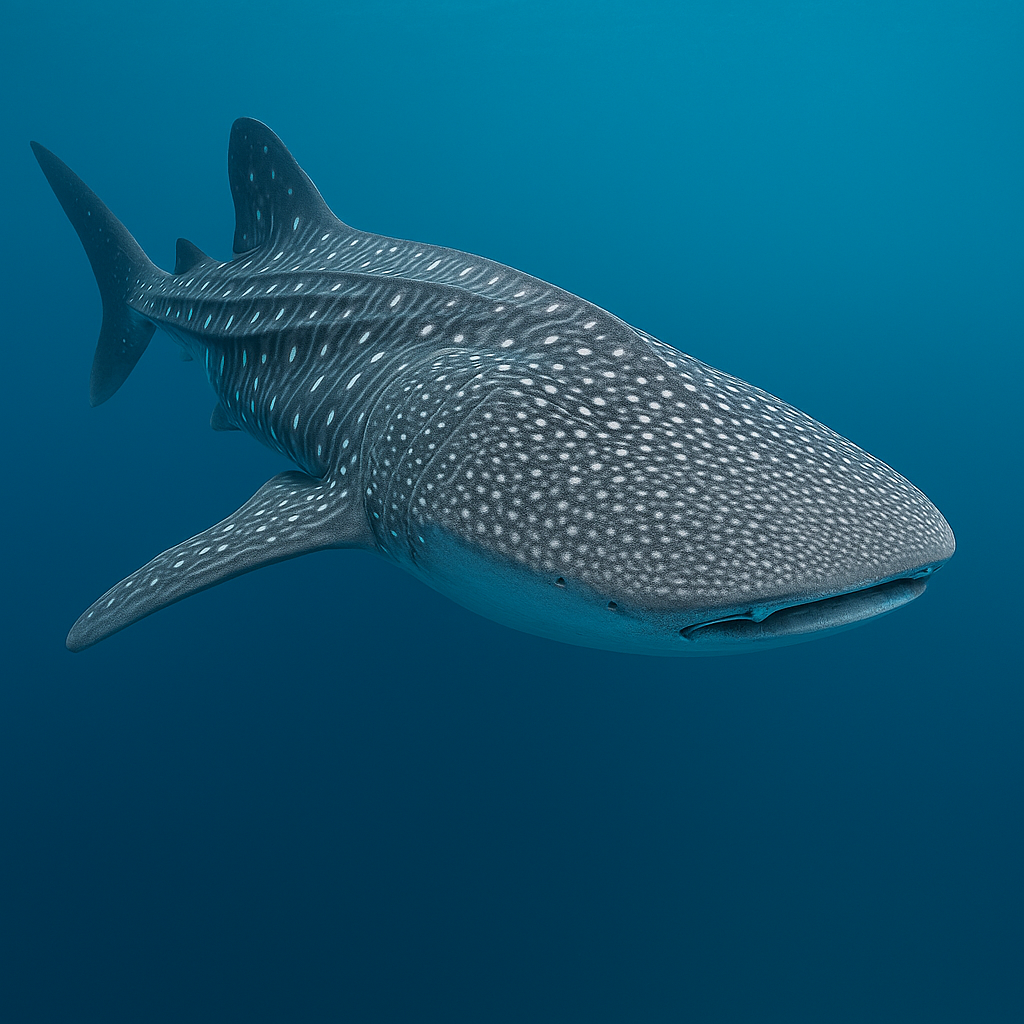
Whale sharks are found in warm, tropical waters around the world, from the Indian Ocean to the Pacific. They move between feeding grounds, coastal nurseries, and offshore highways that scientists are only beginning to map. Their size is legendary—reaching lengths of 40 feet and weights of 20 tons—yet their diet consists almost entirely of plankton, krill, and tiny fish filtered through a mouth nearly five feet wide.
Despite their enormous size, whale sharks face threats that their gentle nature cannot protect them from. Many feed at the surface, placing them directly in the path of shipping traffic. Propeller scars are common, and vessel strikes remain one of the leading causes of injury. They are also vulnerable to bycatch in tuna fisheries, where large nets sweep through feeding zones. In some regions, illegal hunting continues for their meat, fins, and oil.
Climate change adds another layer of pressure. Shifts in ocean temperature alter plankton blooms, forcing whale sharks to travel farther for food. Their slow reproductive rate—maturing around 25 to 30 years old—means populations cannot recover quickly from losses. According to the IUCN (2024), global numbers continue to decline.
Whale sharks have no natural predators once they reach adulthood. Their only true enemies are human‑driven: ships, nets, habitat loss, and warming seas. Juveniles may occasionally fall prey to larger sharks or orcas, but such events are rare.
Scientists consider whale sharks a vital indicator species. Their movements reveal the health of plankton systems, the productivity of coastal waters, and the stability of migration routes that many marine animals rely on. They also support eco‑tourism economies that depend on responsible wildlife encounters.
There is still hope. International protections under CITES, expanding marine protected areas, and satellite‑tagging programs are helping researchers understand where whale sharks travel and what they need to survive. Each migration recorded—like the recent Madagascar to Seychelles crossing—adds another piece to the conservation puzzle.
Whale sharks are peaceful, curious, and ancient. Their skin is thicker than a bulletproof vest, and each one carries a unique constellation of spots like a fingerprint. They have crossed oceans for millions of years, long before humans ever charted the sea. Their decline is more than a statistic; it is a warning about the state of the waters we all depend on.
Saving them means protecting the routes they travel, the food they rely on, and the ecosystems that sustain them. The urgency is real, and the window is narrowing. But with coordinated conservation efforts, the gentle giant that crossed an ocean may continue to do so for generations to come.
References and Further Reading:
IUCN Red List of Threatened Species. (2024). Rhincodon typus — Whale Shark.
www.iucnredlist.org_
_Madagascar Whale Shark Project. (2025). Research updates and migration tracking.
www.madagascarwhalesharks.org_
_NOAA Fisheries. (2023). Whale Shark Species Profile.
www.fisheries.noaa.gov_
_Smithsonian Ocean Portal. (2023). Whale Shark Overview.
ocean.si.edu_
_National Geographic. (2023). Whale Shark Facts & Conservation.
www.nationalgeographic.com_
The Sawfish
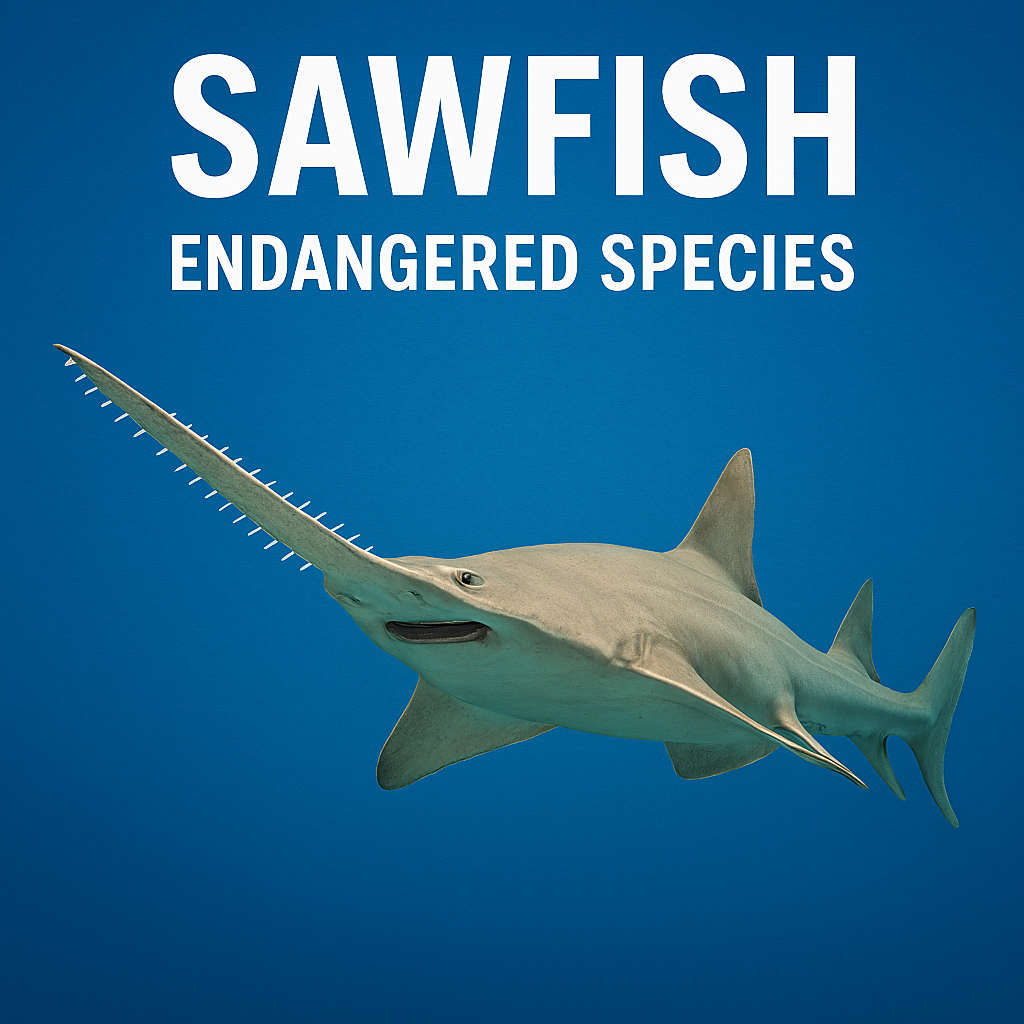
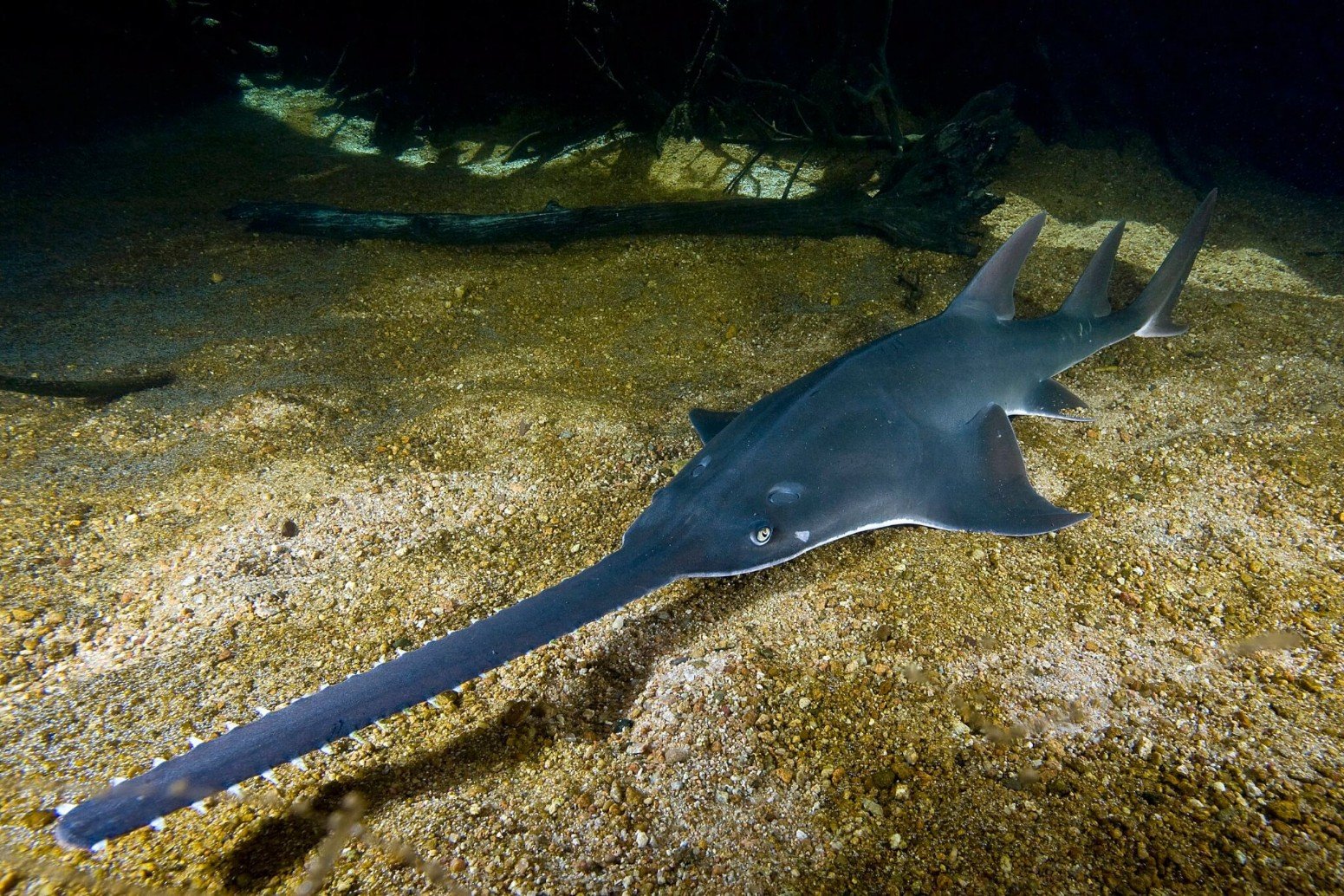
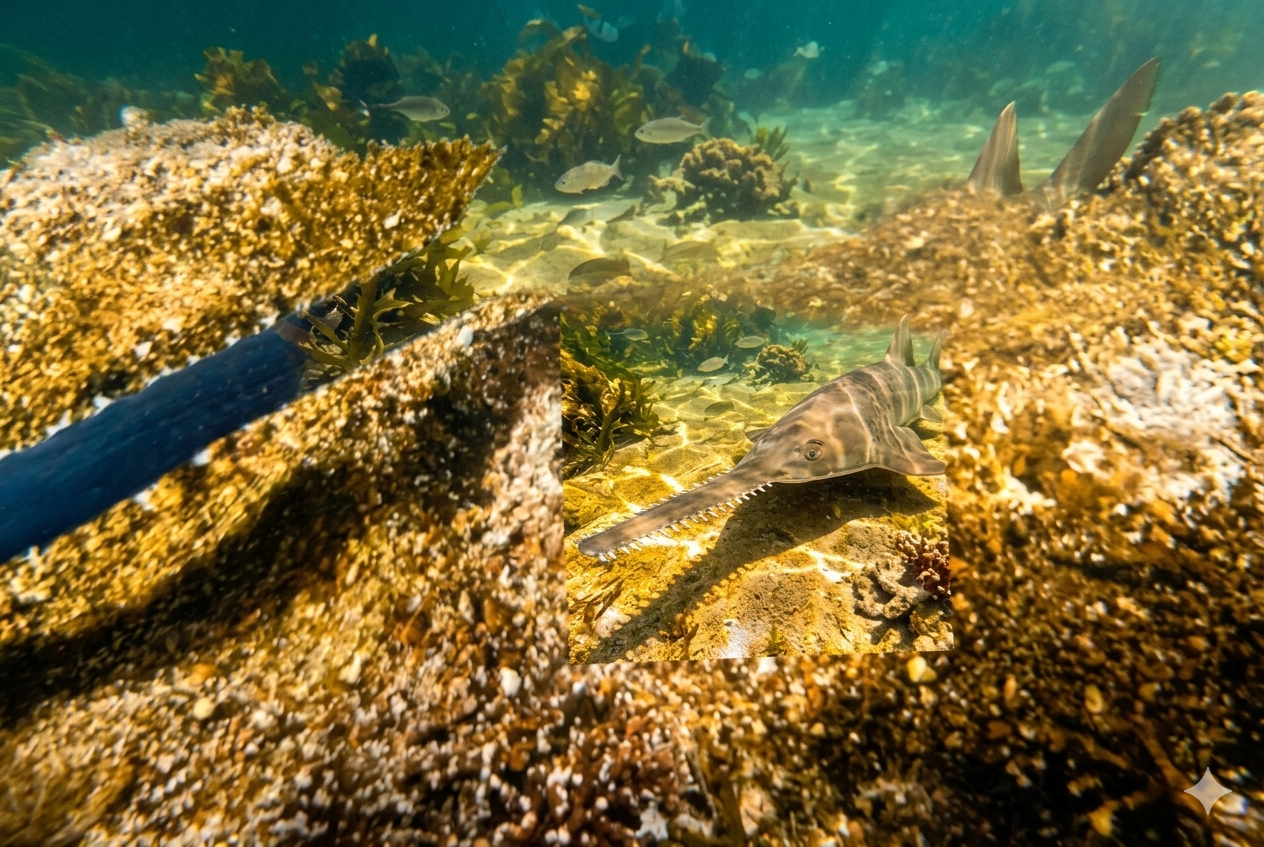
Sawfish are among the most evolutionarily distinct and threatened marine animals on the planet. All five species in the family Pristidae are currently listed as Critically Endangered due to rapid population declines across their historical ranges (IUCN, 2024).
Despite their shark‑like shape, sawfish are rays, belonging to the order Rhinopristiformes. Their defining feature — the tooth‑lined rostrum — is both a sensory organ and a feeding tool. The rostrum contains electroreceptors that detect the weak electrical fields produced by prey buried in sediment (NOAA Fisheries, 2023). This adaptation allows sawfish to hunt effectively in low‑visibility coastal waters.
Historically, sawfish occupied tropical and subtropical coastal zones worldwide, including mangrove forests, estuaries, river mouths, and shallow continental shelves. These habitats are essential for juveniles, which rely on sheltered, low‑salinity areas for survival (IUCN, 2024).
Today, sawfish have disappeared from more than 80% of their former range, with remaining strongholds limited to northern Australia and parts of the United States (NOAA Fisheries, 2023).
Sawfish use rapid lateral movements of the rostrum to stun or injure prey such as fish, crustaceans, and mollusks. This feeding behavior influences prey distribution and sediment structure, making sawfish an important ecological component of coastal and estuarine systems (NOAA Fisheries, 2023).
Sawfish declines are driven by several overlapping pressures:
The rostrum easily entangles in gillnets, trawls, and longlines. Bycatch is the leading cause of sawfish mortality worldwide (NOAA Fisheries, 2023) .Mangrove removal, dredging, shoreline development, and altered freshwater flow have destroyed critical nursery habitats. Habitat loss is a major factor in the collapse of sawfish populations (IUCN, 2024).
Sawfish rostrums, fins, and other body parts are sold illegally as curios, trophies, or for traditional uses. International trade of all sawfish species is banned under CITES Appendix I, yet illegal trafficking persists (CITES, 2022).
Sawfish mature slowly, live long lives, and produce relatively few offspring. These traits limit their ability to recover once populations decline (NOAA Fisheries, 2023).
As apex or near‑apex predators in shallow coastal ecosystems, sawfish help regulate prey populations and maintain ecological balance. Their disappearance can trigger cascading effects throughout estuarine and nearshore food webs (IUCN, 2024). Protecting sawfish also protects mangroves, estuaries, and coastal habitats that support countless other species — including commercially important fisheries.
What Recovery Requires
- Enforcement of gillnet restrictions and bycatch‑reduction measures
- Protection and restoration of mangrove and estuarine habitats
- Stronger monitoring of illegal wildlife trade
- Public awareness and science‑based outreach
Sawfish have survived for millions of years, but their future now depends entirely on human action. Conservation efforts in Australia and the United States show that recovery is possible when habitat protection and fishing regulations are enforced.
References:
CITES. (2022). Sawfishes (Pristidae) and international trade. https://cites.org
- IUCN. (2024). Pristidae: Sawfishes Red List assessment. https://www.iucnredlist.org
- NOAA Fisheries. (2023). Sawfish species profiles, threats, and conservation status. https://www.fisheries.noaa.gov
For more information and reading.
The Angel Shark
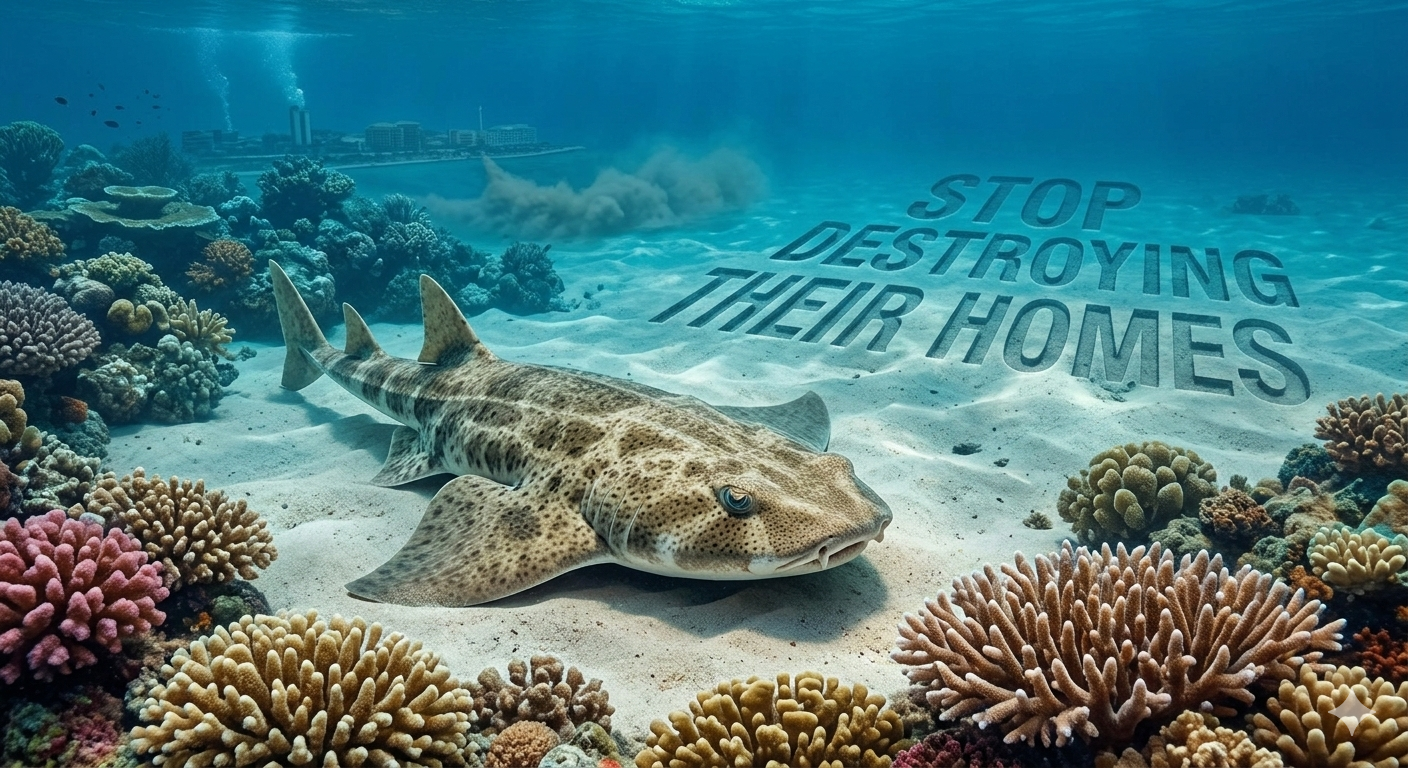
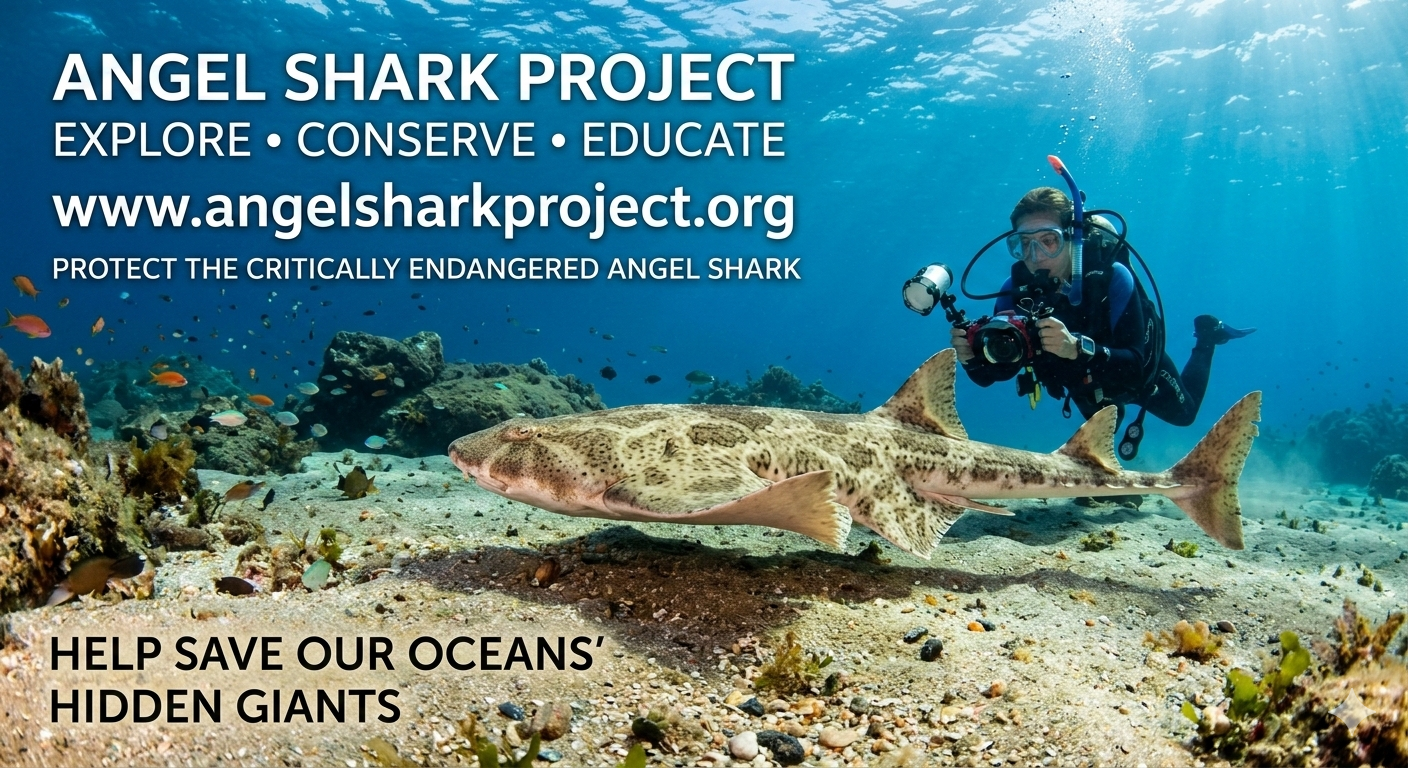
The Angel shark is one of the most unique sharks on Earth, a flat, ray-like predator that spends most of its life buried under the sand. This hidden lifestyle makes it a vital part of the seafloor ecosystem.
The Shark Trust: https://www.sharktrust.org
iSea (Greece): https://www.isea.com.gr
SUBMON: http://www.submon.org
The Angel shark (Squatina squatina) is now critically endangered, a dramatic fall for a species that once thrived across the eastern Atlantic and Mediterranean. Today, the Canary Islands are the last place on Earth where they are consistently seen, a collapse driven by decades of human pressure. Historical overfishing removed huge portions of the population before protections existed. By catch from bottom trawling remains the most destructive threat; angel sharks lie buried in the sand and cannot escape nets, making them “invisible victims”. Habitat degradation from dredging, coastal development, and sediment disturbance destroys the clean sandy seafloor they depend on for camouflage, hunting, and reproduction. Late maturity and small litters means they cannot recover quickly. Angel sharks are keystone ambush predators that help regulate fish populations and maintain the natural rhythm of coastal ecosystems. Losing them destabilizes the entire food web. With over 90% of their historical range lost and only one stronghold remaining, the angel shark is on the edge of functional extinction. Protecting sandy habitats, restricting bottom-contact fishing and supporting conservation programs in the Canary Islands are now the only path forward.
Vaquita
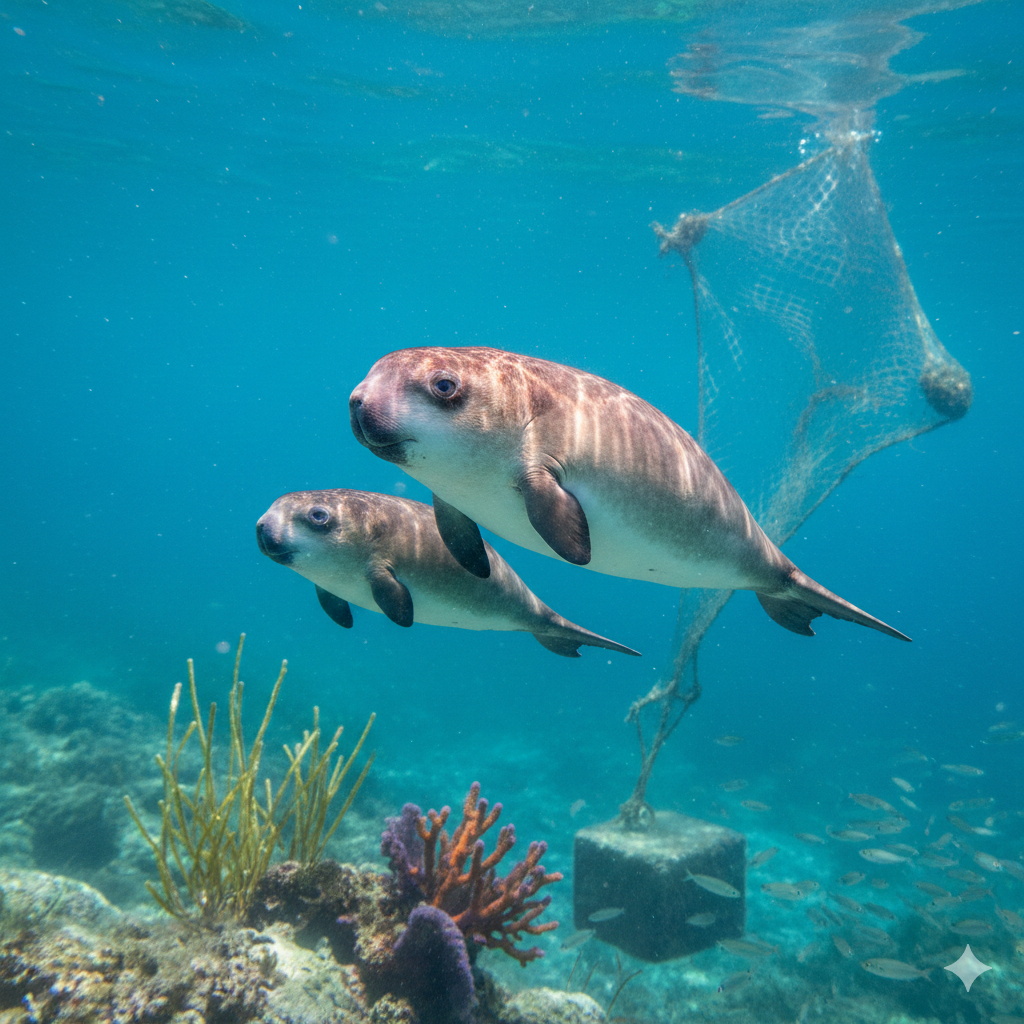
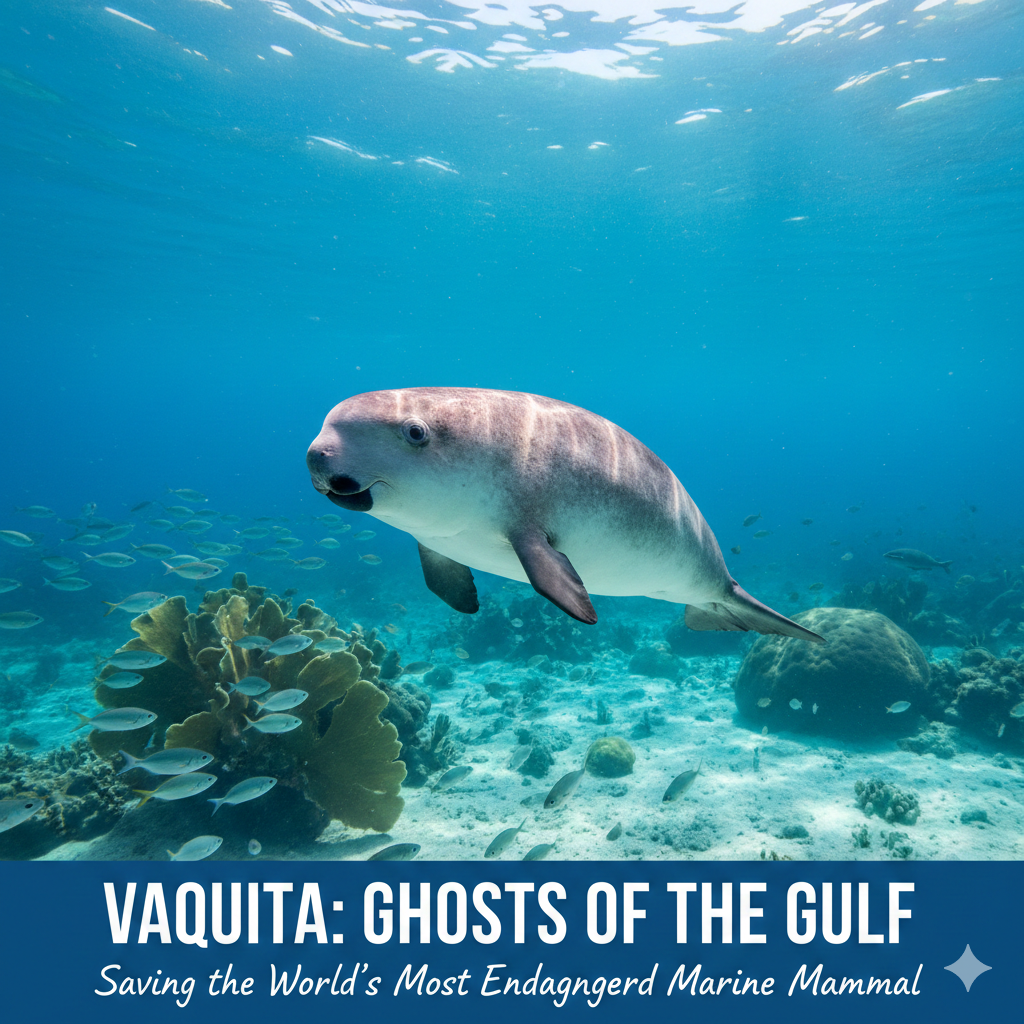
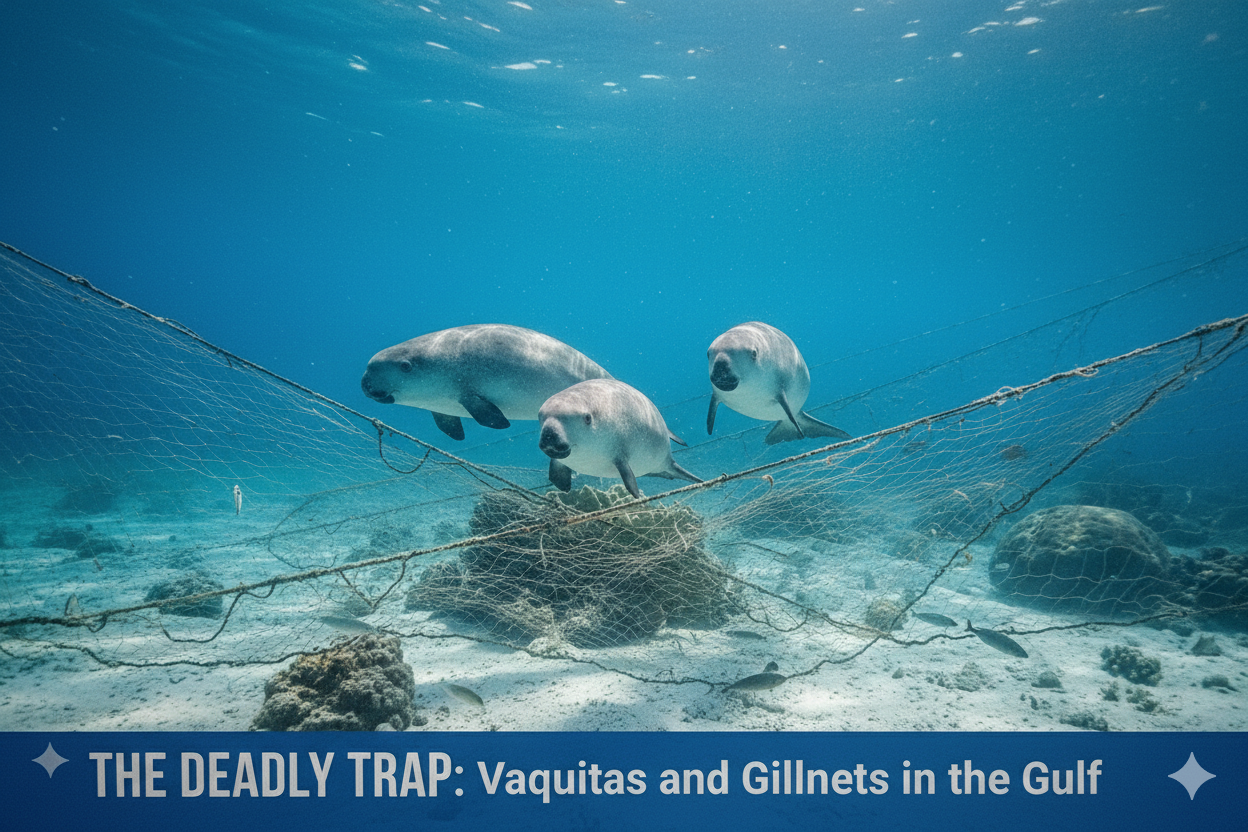
This is the Vaquita (Phocoena sinus), the world’s smallest and most elusive porpoise. They are the most endangered marine mammal on the planet. Unlike dolphins, they don’t leap alongside boats or seek out human interaction. They are quiet sonar-reliant creatures that prefer to stay hidden. This ghost like nature made it difficult for scientists to confirm their existence until the 1950’s. That same invisibility makes protecting them nearly impossible, as they navigate a habitat that has become a battlefield. Unlike their cousins in the cold Atlantic, the vaquita has adapted to the warm, shallow waters of a tiny corner of Mexico. Barely five feet long this “Panda of the sea” only swims in the northern Gulf of California.
THE FINAL TEN:
The vaquita population has fallen from nearly 600 individuals in 1997 to only a handful today. By 2024, surveys estimated just six to eight remained. But recent 2025-2026 monitoring brought a rare sign of hope. Using high-powered “Big Eye” binoculars and an extensive network of underwater acoustic sensors, researchers confirmed between seven and ten vaquitas, including at least one or two calves.
The Urgency:
Even though the Zero Tolerance area was created to protect the last vaquitas, enforcement has never matched the urgency of the crisis. Reports show that illegal gillnet fishing continues inside the protected zone at nearly the same levels as before the ban. Conservation groups and independent investigators have repeatedly warned that the rules exist on paper, but not in practice. In early 2026, a new threat emerged. Mexican regulators proposed shrinking the protected area by more than 85 percent- limiting gillnet restrictions to only the smallest core refuge. Experts warn this would be catastrophic for the species. Conservation biologists describe the proposal as “ an extinction risk the vaquita cannot afford, ”arguing that reducing protection now would undo years of progress. International bodies have also raised alarms. CITES sanctioned Mexico for failing to stop illegal fishing, and a 2025 environmental compliance review found that enforcement in the Upper Gulf remains inadequate. While the government has partnered with groups like Sea Shepard and installed tracking devices on some vessels, these efforts have not been enough to stop illegal nets from entering vaquita habitat.
The message from scientists is clear: the sanctuary must expand, not shrink. The vaquita is still alive, still reproducing, an still fighting- but without strong, enforced protections, even their resilience won’t be enough.
I have to give recognition to the group Viva Vaquita, please look them up at vivavaquita.org their email is vivavaquita@gmail.com there soul purpose is to save the vaquita. Check their Facebook too.
The Cause and Effects
The crisis facing the vaquita isn’t cause by climate change or habitat loss- it comes from the illegal trade in totoaba swim bladders, which can sell for tens of thousands of dollars on the black market. Because vaquitas share the same waters as totoaba, they are caught in the gillnets used to poach these fish. When a vaquita becomes entangled, it can’t reach the surface to breathe and drowns.
For many local fishermen, the situation is complex. Legal fishing often isn’t enough to support their families, while illegal nets offer life-changing income but carry enormous risks. This conflict between conservation, poverty, and organized crime sits at the center of the vaquita’s struggle.
The Conservation Collective
-
![awionline.org]()
Animal Welfare Institute
AWI
Non-profit organization, dedicated to reducing animal suffering. Their work covers a broad range of protections.
(202) 337-2332
-
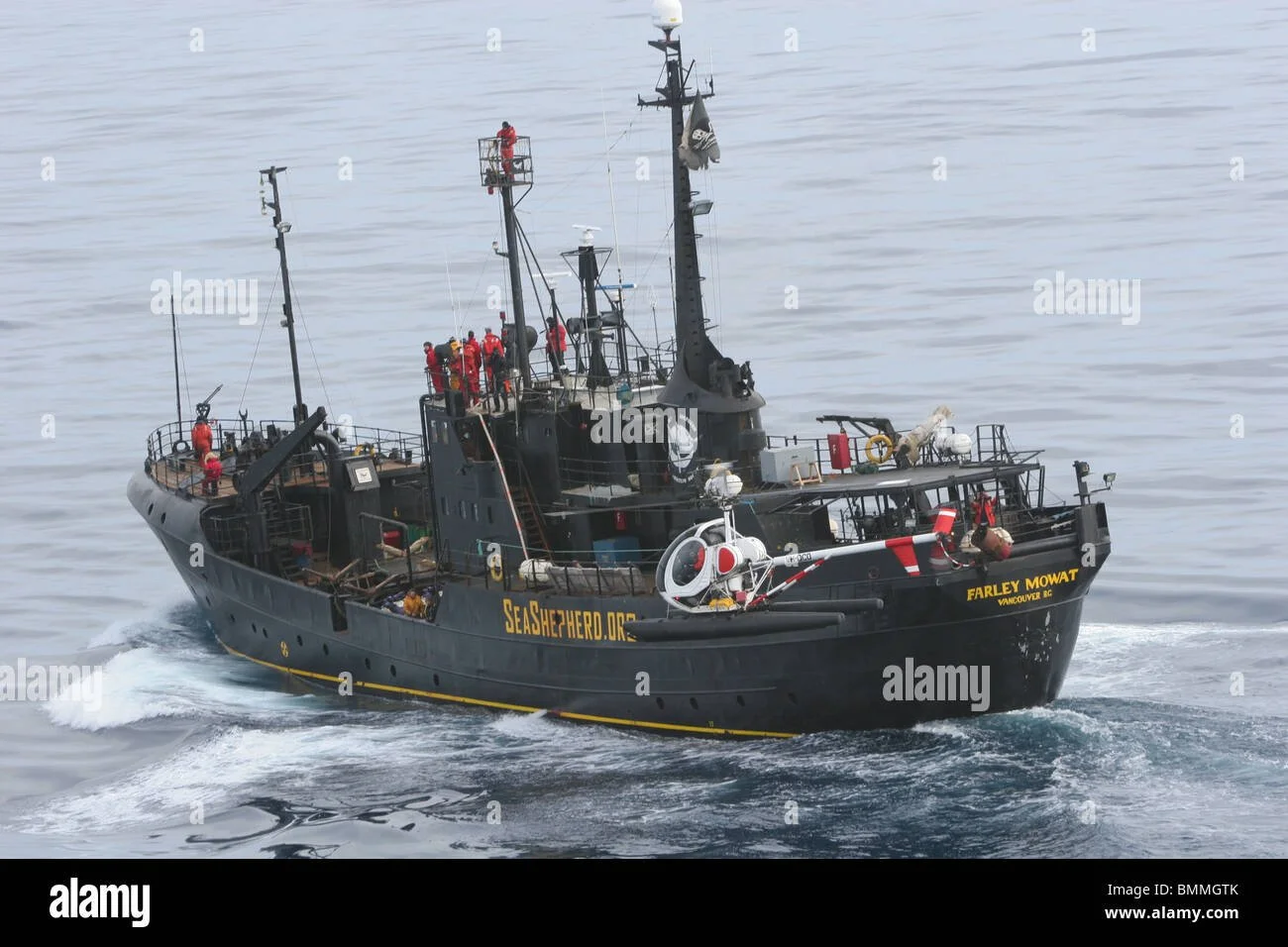
![A large, black Sea Shepherd conservation vessel , activists on the deck of a ship]()
Sea Shepherd Conservation Society
SSCS
International non-profit marine wildlife conservation organization. Sole mission is to protect and conserve the world’s oceans and marine life by ending habitat destruction.(212) 220-2302
-
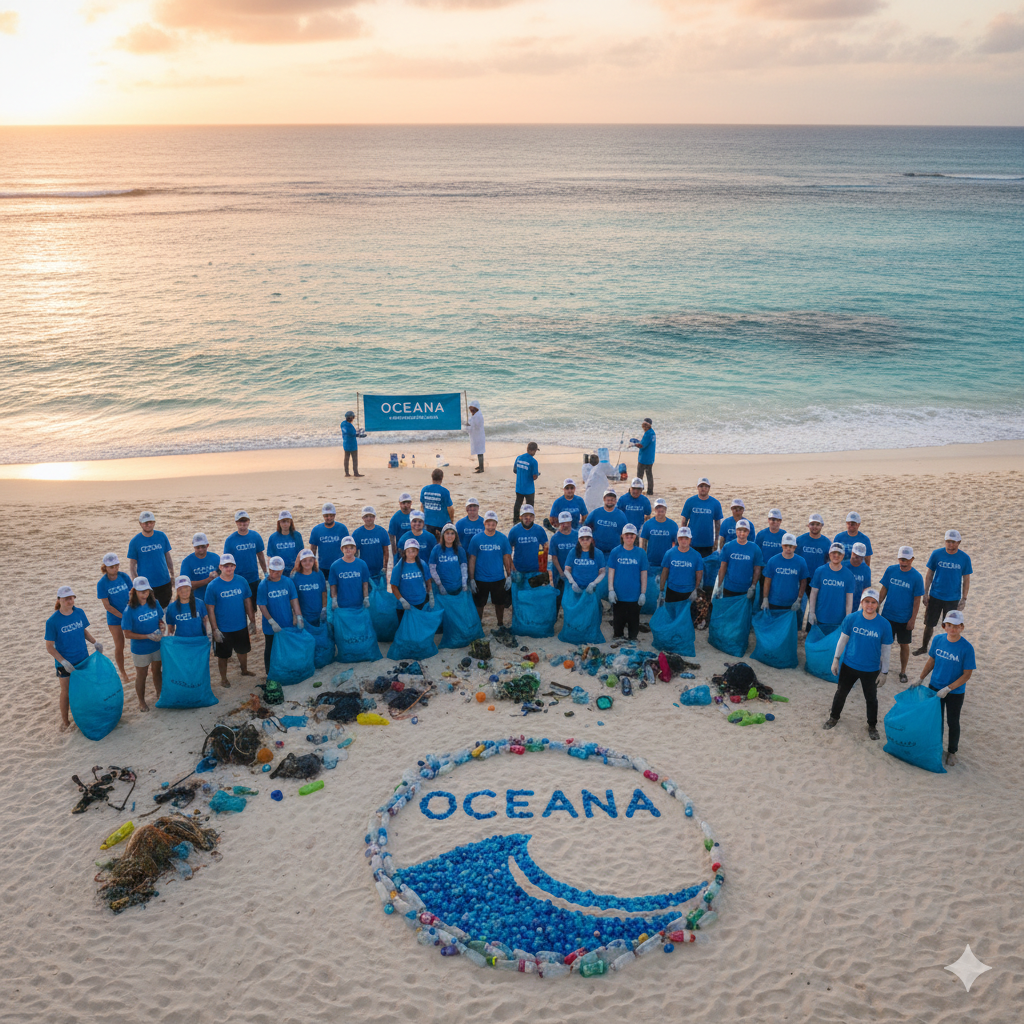
![Oceana team members participating in a coastal cleanup to protect marine wildlife and reduce ocean pollution]()
Oceana
The largest international organization focused solely on ocean conservation. Winning by changing laws and government policies to stop overfishing and pollution.
(202) 833-3900
-
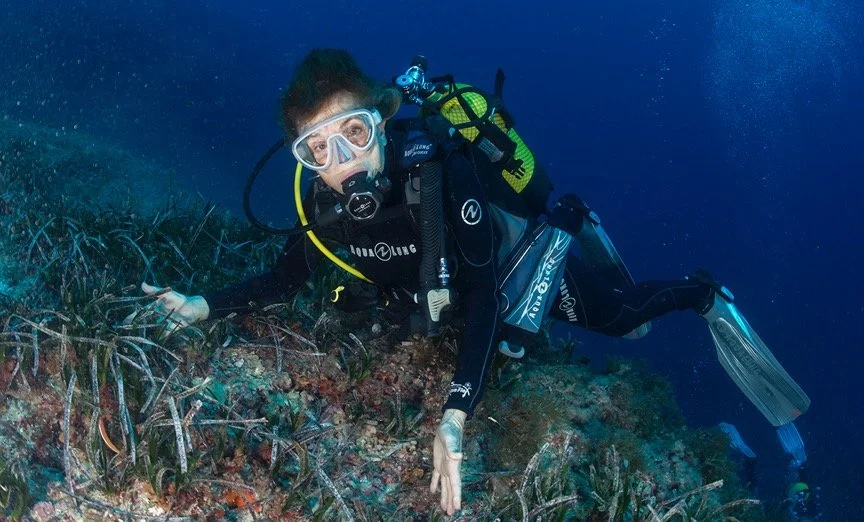
![Mission Blue Founder Dr. Sylvia Earle diving in a vibrant coral reef, representing the "Hope Spots" initiative to protect endangered marine life.]()
Mission Blue
Mission Blue is an organization dedicated to igniting public support for a global network of marine protected areas called “Hope Spots.”
(707) 492-6866