Port and Starboard: South Africa’s Shark hunting Orcas
The Ghost and the Darkness, is exactly what I think of when I hear of these two Orcas. They were two male lions in 1898 that hunted together along the Tsavo River in Kenya, hence the name “The Lions of Tsavo”. Though they were brothers the two Orcas have yet to be linked together genetically or maternally. If you have not heard of the lions they are a interesting pair to read about. Now to the Orcas. We will keep a future eye on for further content.
Port and Starboard are two adult male orcas who have become some of the most closely watched predators in South African waters. First documented together near Lüderitz, Namibia in 2009, the pair is instantly recognizable by their unusual collapsed dorsa fins- Port’s bending to the left, Starboard’s to the right. These distinctive features inspired the nautical names that now follow them across the coastline.
Although they are not believed to be related, Port and Starboard have formed a rare long-term bond. Adult male orcas typically travel alone or loosely associate with pods, but these two have remained a consistent duo for more than a decade. Their partnership is built on a shared hunting strategy that sets them apart from other orcas in the region.
Unlike most orcas that prey on seals or dolphins, Port and Starboard belong to a rare offshore ecotype with flatter teeth adapted for gripping sharks. Over time, they developed a highly specialized method for hunting large shark species- including great whites, seven gills, and copper sharks. Their technique involves flipping sharks onto their backs to induce tonic immobility, a trance like state that leaves the shark defenseless. With remarkable precision, they then extract the liver, leaving the rest of the carcass behind. This behavior, first documented in 2015, has been described by researchers as “surgical”.
Their presence has reshaped the marine ecosystem along South African coast. In areas like Gansbaai and False Bay, great white sharks fled shortly after the pair began hunting there. This shift triggered a cascade of ecological changes, including increases in seal populations and new challenges for local fisheries. Port and Starboard have become symbols of how apex predators can alter entire environments simply by showing up.
Over the years, the pair has traveled widely from Namibia to South Africa, from Mossel Bay to Hermanus, from Seal Island to the open ocean. Their movements are unpredictable, their impact undeniable, and their story continues to evolve as researchers track their behavior and influence.
Port and Starboard stand as one of the most fascinating predator duos in modern marine science: not brother, not captives, not myths but two wild orcas whose partnership and precision have rewritten what we thought we knew about the ocean’s hierarchy.
Only once in a lifetime does something this extraordinary appear and rewrite the rules of the natural world and everything we thought we understood.
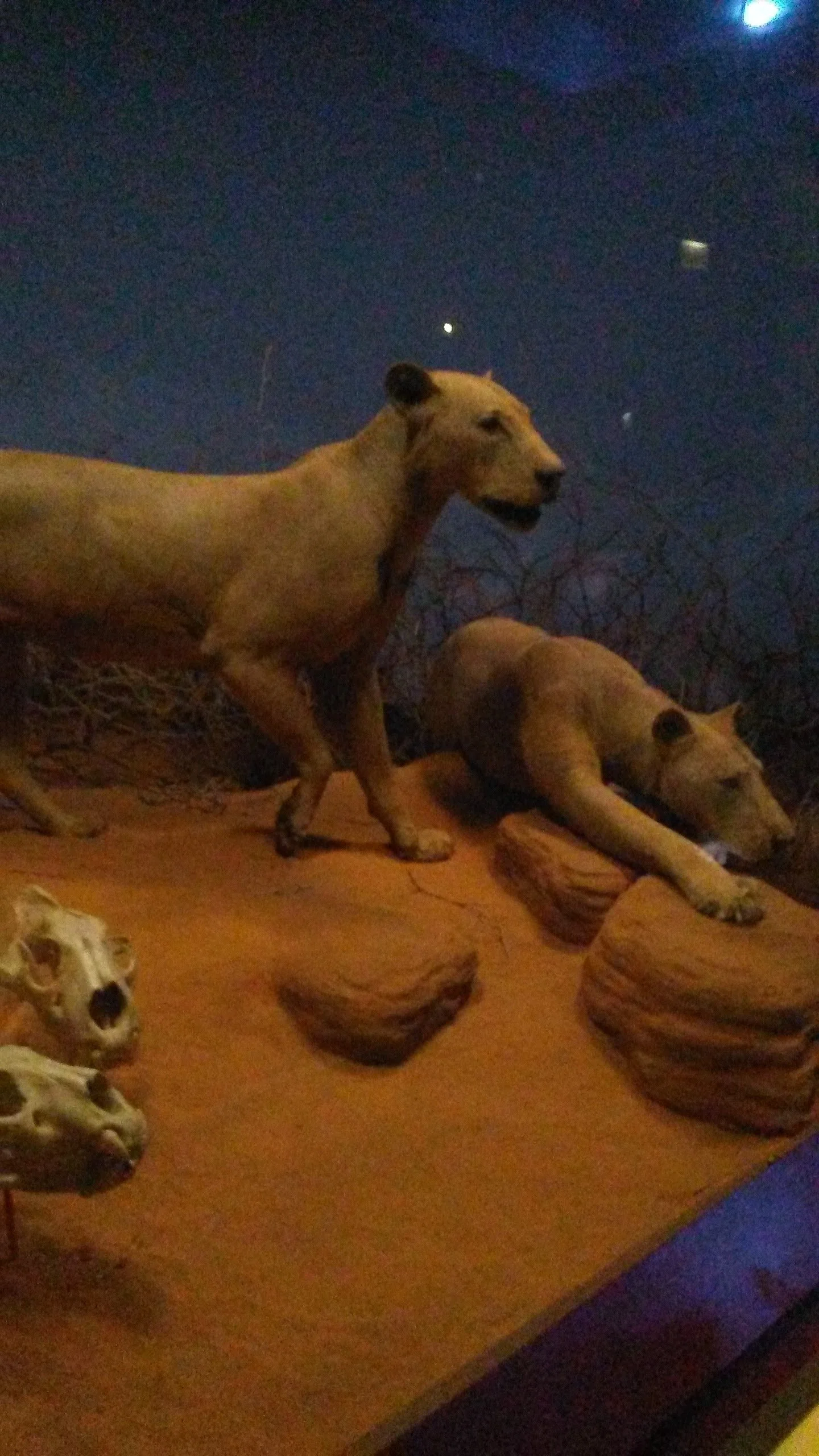
The Lions of Tsavo at The Field Museum of Chicago
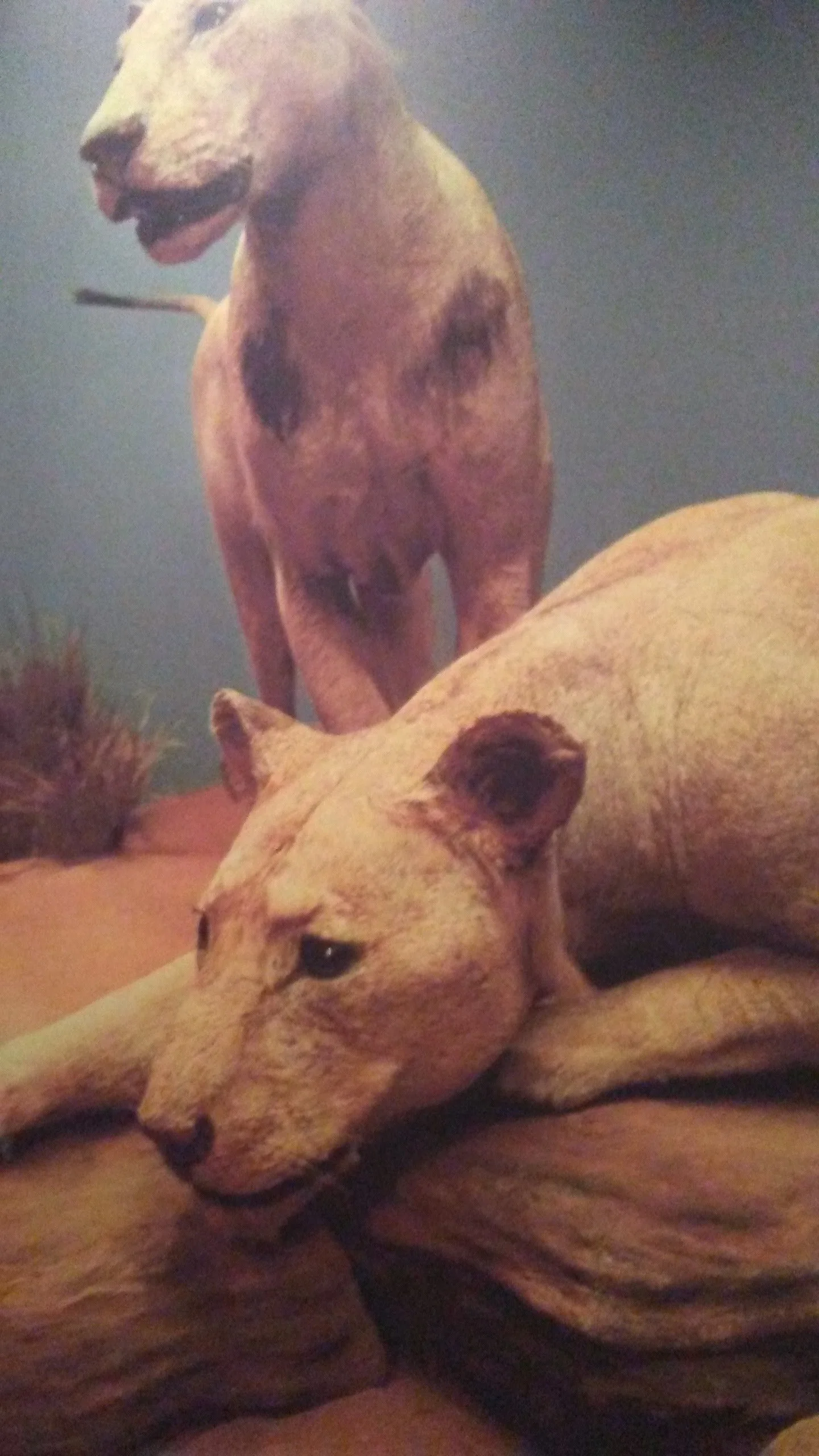
The Ghost and the Darkness, Lions of Tsavo
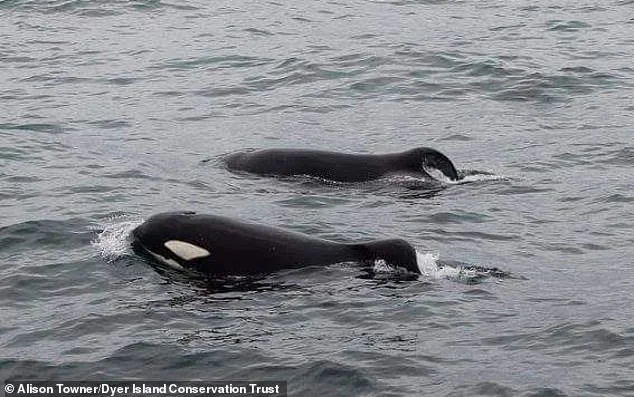
Port and Starboard
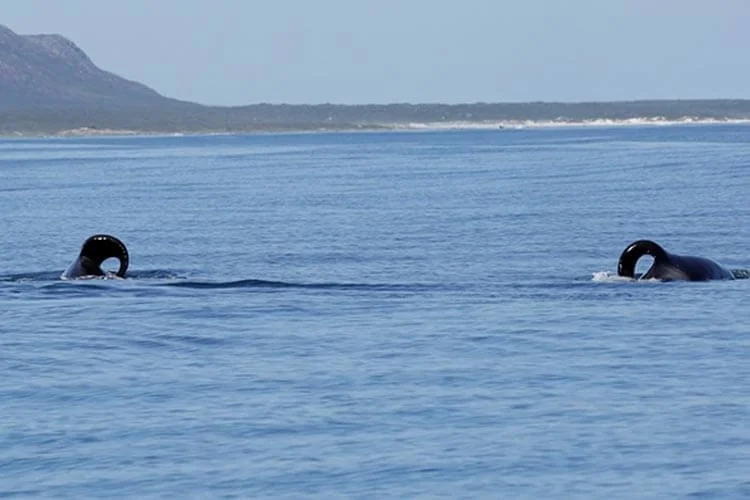
Port and Starboard
