The “Plastic Vacuum”: Dutch Innovations is Cleaning Our Water.
We often hear about the millions of tons of plastic entering our oceans every year, but we rarely hear about the high-tech “vacuums” working to suck it back out. From the historic canals of Amsterdam to the middle of the Pacific Ocean, Dutch engineers are providing that we can use physics, air, and massive scale to reverse the damage.
How it Works:
It’s a deceptively simple design. A perforated tube is laid diagonally across the bottom of a river. When compressed air is pumped through it, a “curtain” of bubbles rises to the surface.
The Lift: This upward current blocks plastic from flowing downstream and lifts it from the riverbed to the surface.
The Push: Because the barrier is at an angle, the natural river current pushes the waste into a collection system on the side.
Why it’s a game changer: It doesn’t just catch surface trash; it catches plastic through the entire depth of water. Best of all? Fish can swim right through the bubbles unharmed.
The Giant Sweep of the Great Pacific
For the plastic that has already escaped into the open sea, the team at The Ocean Cleanup developed a massive “vacuum” know as System 03.
Located in the “Great Pacific Garbage Patch” (an area of trash twice the size of Texas), System 03 is a floating, U-shaped barrier nearly 1.4 miles long.
The Process:
1. The Funnel: Two ships pull the barrier at a very slow pace, funneling plastic into a massive collection zone at the back.
2. The Retention: Once the “bag” is full, it is hauled onto a ship.
3. The Lifecycle: The plastic is taken back to land, sorted, and recycled into durable products, ensuring it never returns to the water.
Why This Matters for Us
Education is the first step toward a cleaner planet. These systems aren’t just cool gadgets: they are proof that human ingenuity can match the scale of the problems we’ve created. By catching 86% of plastic in rivers and aiming to remove 90% of floating ocean plastic by 2040, these “plastic vacuums” are giving our marine life a second chance.
What We Can Do:
While the Dutch are cleaning the water, we can help by stopping the “leak” at home by reducing single-use plastics, participating in local river cleanups, and just spreading the word about technologies like the Bubble Barrier.
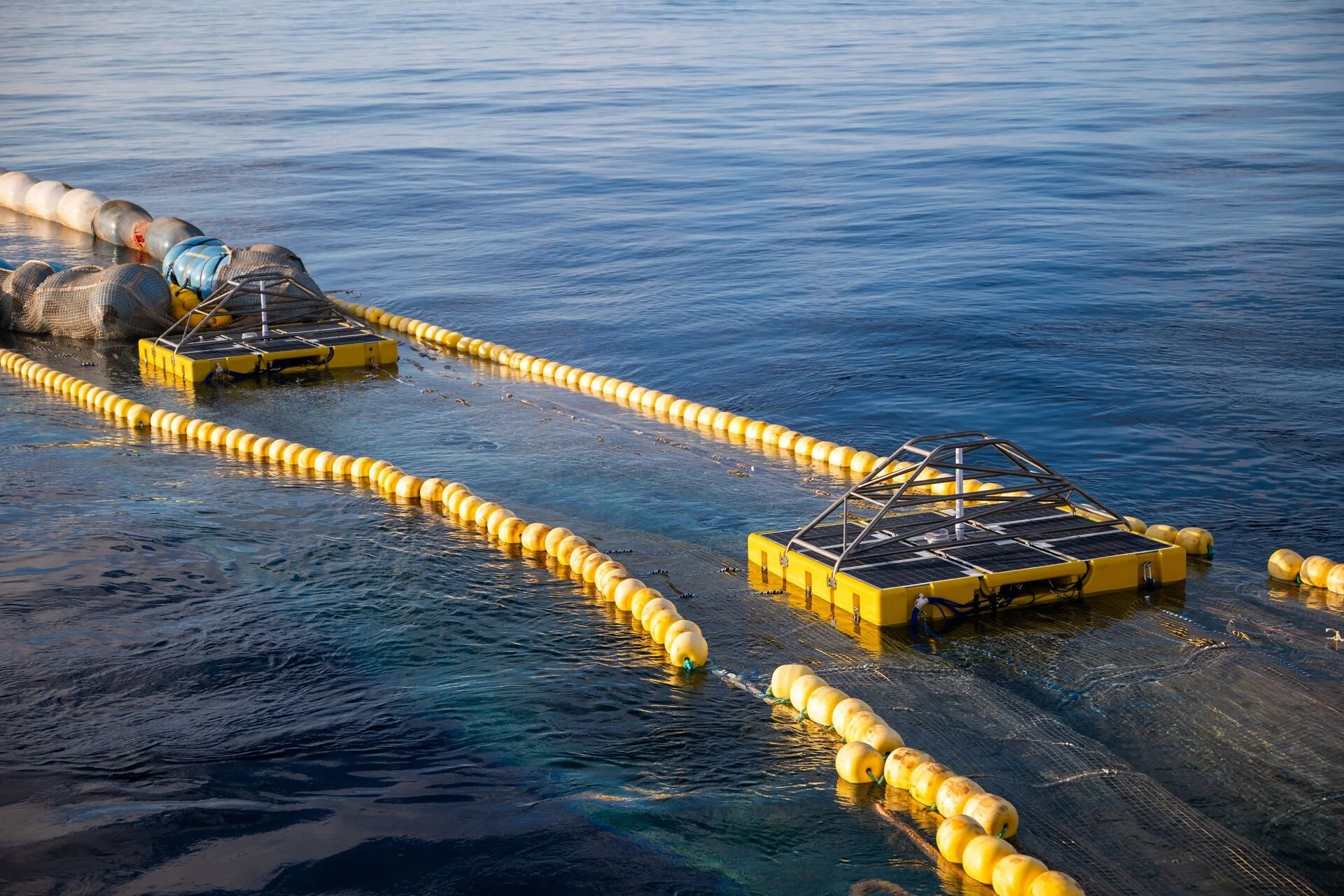
Floating buoy guiding ocean plastic into the Dutch cleanup system’s collection channel.
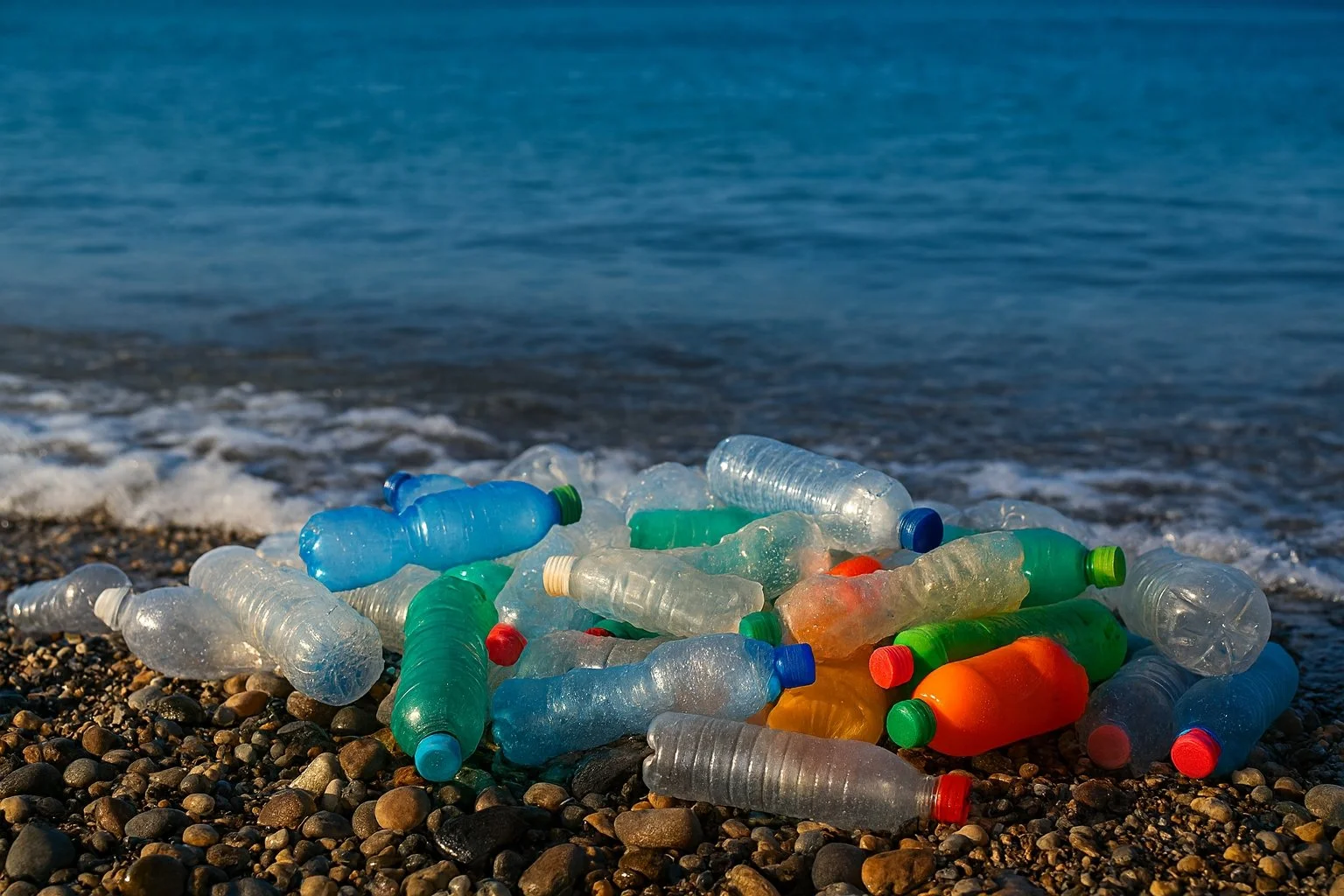
Plastic debris drifting onto the shoreline.
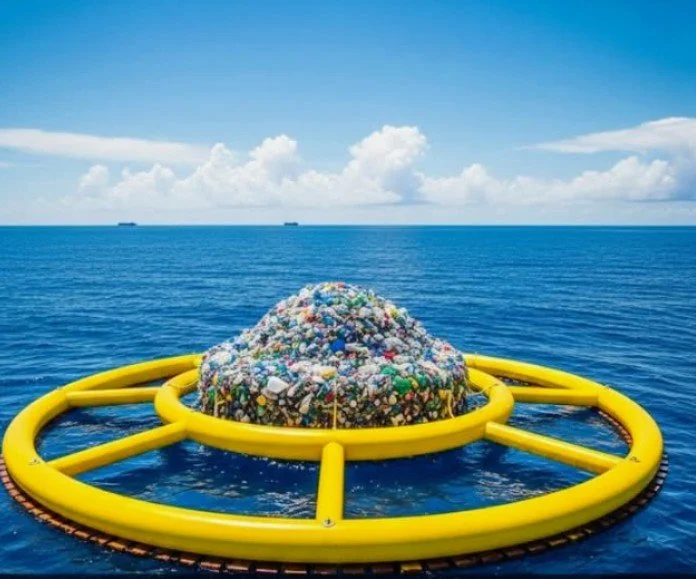
Circular vacuum device floating on the ocean with plastic pieces collected inside.
Dutch vacuum cleanup reference, not real the vacuum.
