Collaboration across Borders.
Whale sharks do not recognize political boundaries, and neither should the efforts to protect them. That truth became undeniable when researchers confirmed that a juvenile male whale shark—nicknamed Mistral—traveled more than 1,200 kilometers from Nosy Be, Madagascar to Mahé in the Seychelles. His journey was not discovered through expensive satellite tags, but through something far more powerful: collaboration.
Two organizations, the Madagascar Whale Shark Project (MWSP) and the Marine Conservation Society Seychelles (MCSS), independently photographed Mistral years apart. When they compared their photo‑ID databases, the match was unmistakable. The same constellation of white spots appeared in both images, proving that whale sharks are regional travelers whose survival depends on cooperation between nations.
This partnership highlights the kind of impact we champion at The Ripple Effects Marine Ecosystem Conservation. By supporting groups that share data, resources, and scientific insight, we help strengthen conservation across entire ocean corridors—not just within a single country’s borders.
Their collaboration addresses three urgent challenges:
1. Legal Gaps
Whale sharks are protected in Seychelles but lack formal national protection in Madagascar. Shared research puts pressure on regional governments to create connected “blue corridors” that safeguard migration routes.
2. The “Vanishing” Act
Sightings have declined in Madagascar while increasing in Seychelles. Without collaboration, researchers might assume the population is collapsing when, in reality, the sharks are simply moving across borders.
3. Limited Funding
By pooling data and relying on photo‑ID instead of costly satellite tags, these two small nonprofits can track movements across 1,200 kilometers of open ocean—something neither could achieve alone.
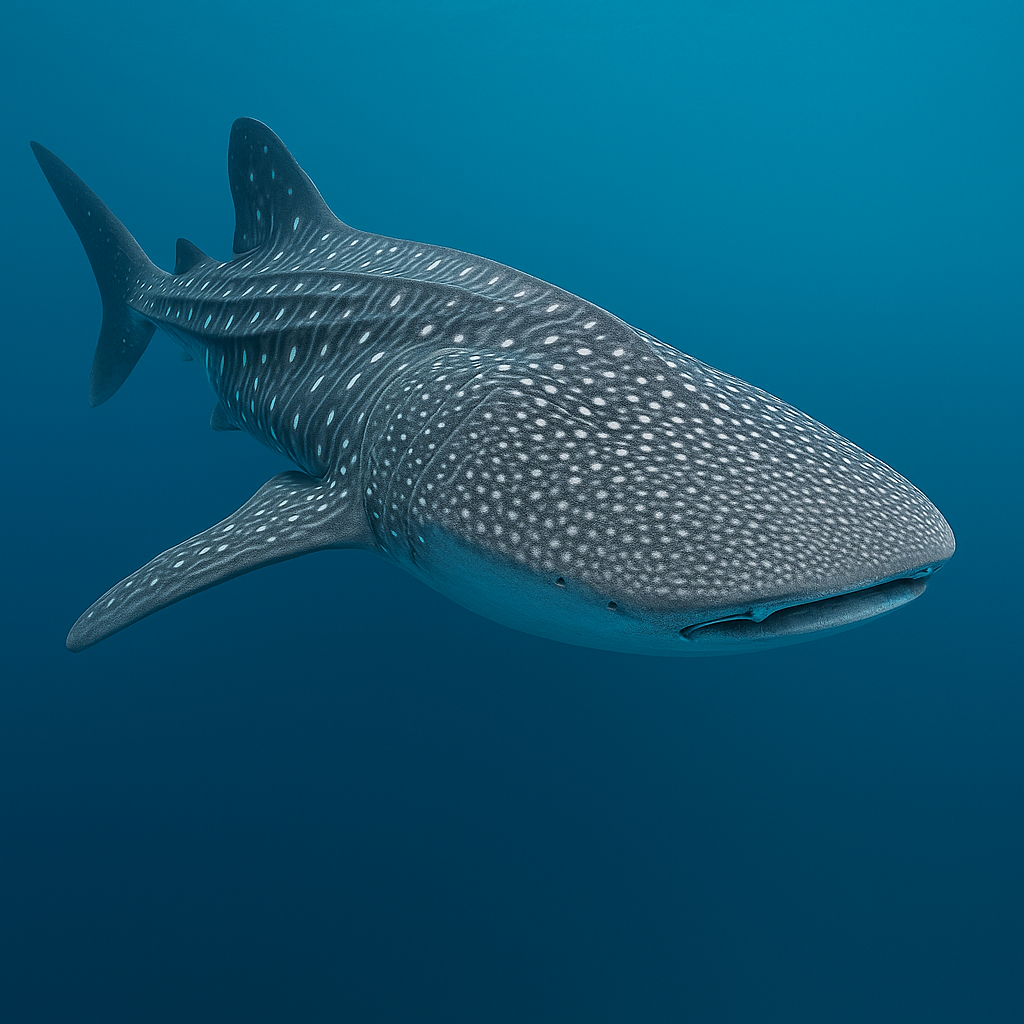
Whale shark swimming in the open ocean
References and Further Readings:
Marine Conservation Society Seychelles. (2026). Welcome to MCSS. https://www.mcss.sc
Marine Conservation Society Seychelles. (2026). Regional Coral Project. https://www.mcss.sc/projects/regional-coral-project (mcss.sc in Bing)
Marine Conservation Society Seychelles. (2026). Projects. https://www.mcss.sc/projects
Ready Marine Corps. (2024, April 29). Preserve, Protect, and Defend the Mission: Marine Corps REPI Program Advances Marine Corps Community Partnership and Mission Protection. https://www.ready.marines.mil/News/Article-Display/Article/3387654 (ready.marines.mil in Bing)
U.S. Department of Defense. (2024). Readiness and Environmental Protection Integration (REPI) Program Overview. https://www.repi.mil
U.S. Department of Defense. (2025). REPI Report to Congress. https://www.repi.mil/Resources/Reports-and-Fact-Sheets (repi.mil in Bing)
