Protecting the North Atlantic Right Whales
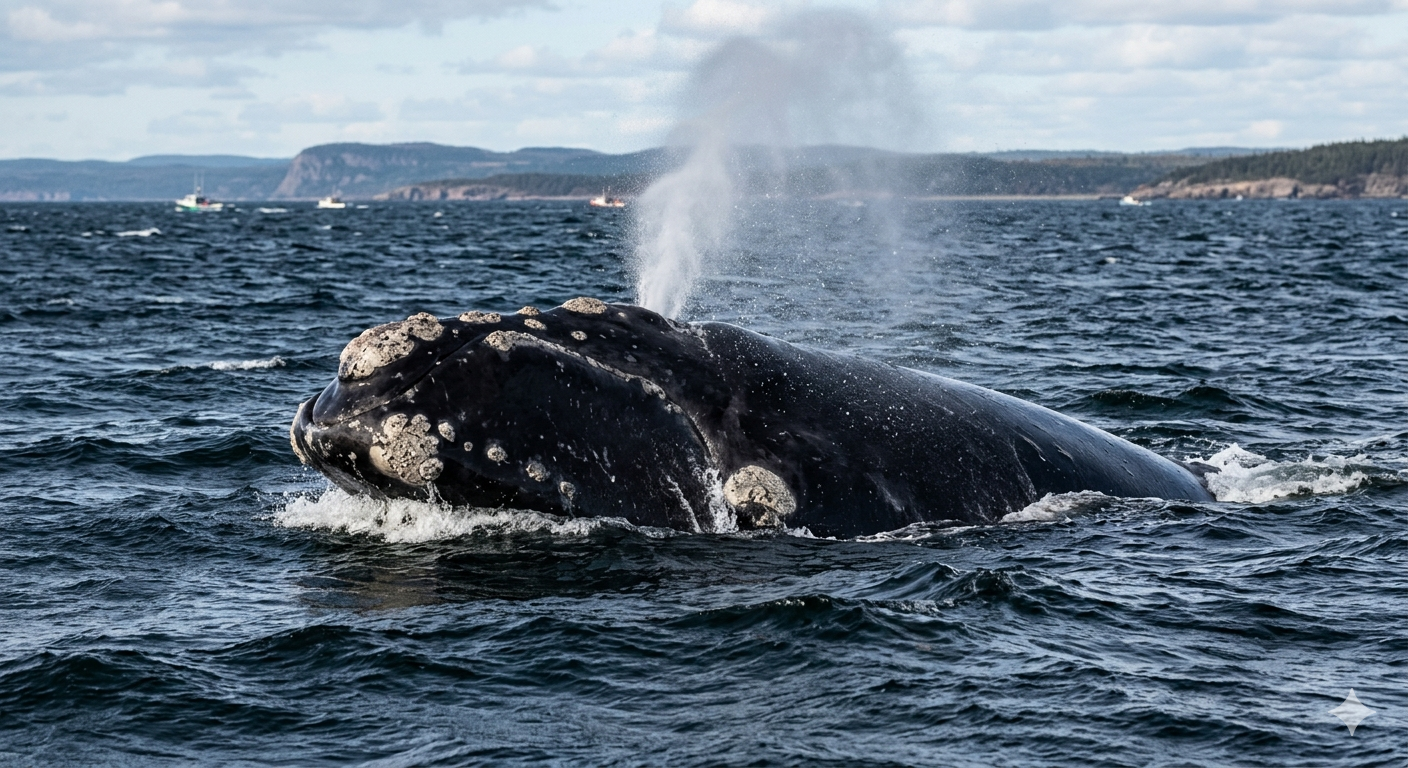
North Atlantic right whales are one of the rarest marine mammals on Earth, and their survival depends on choices humans make every single day. With fewer than 400 individuals left, every whale — every calf — matters. While the threats they face are serious, the solutions are clear, proven, and already saving lives. Our role is to help push those solutions forward.
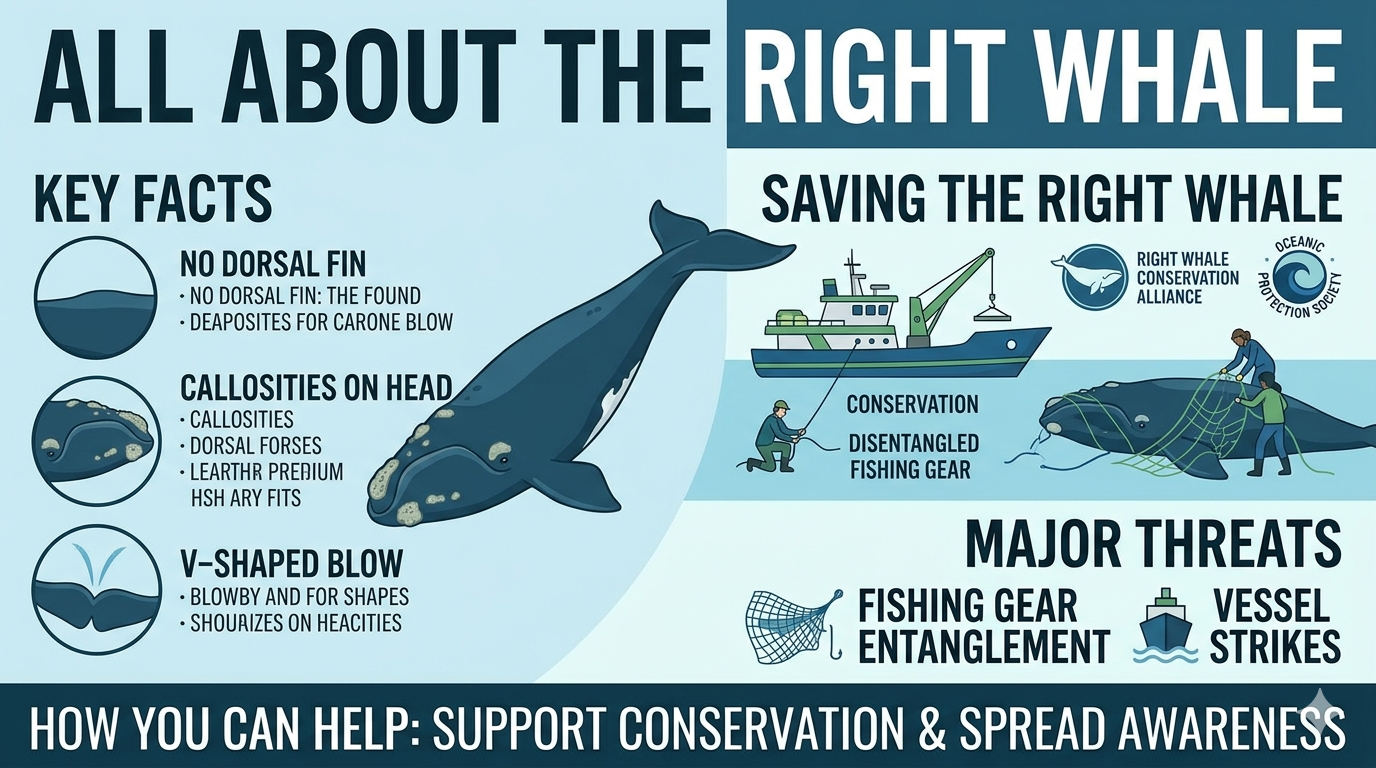
One of the most effective protections is simple: reducing ship speeds. When vessels travel 10 knots or slower in areas where right whales are present, the risk of a fatal collision drops dramatically. Seasonal speed zones, voluntary slow zones, and real‑time alerts all help keep whales safe during migration and calving season.
Smarter Fishing Gear Reduces Entanglement
Entanglement in fishing gear is one of the leading causes of injury and death. New technologies — such as weak links, breakaway lines, and ropeless (on‑demand) gear — are helping reduce the danger. Supporting fishermen who adopt safer gear is a direct way to protect whales while keeping coastal communities strong.
Real‑Time Monitoring Makes a Difference
Acoustic buoys, aerial surveys, and citizen‑reported sightings give scientists a clearer picture of where whales are at any moment. When a whale is detected, alerts go out to mariners, triggering slow zones and route adjustments. This kind of monitoring is one of the reasons so many whales were documented this season.
Most people will never see a right whale in person — but they can still help protect them. Sharing verified sightings, supporting conservation groups, reporting injured or entangled whales, and learning how coastal activities affect marine life all contribute to the species’ survival.
Our mission is to make marine conservation accessible, factual, and human. By sharing accurate information, highlighting current sightings, and explaining the science behind the crisis, we help build the public awareness that drives policy and protection. Every article, every educational post, every piece of outreach adds another voice to the effort to save this species.
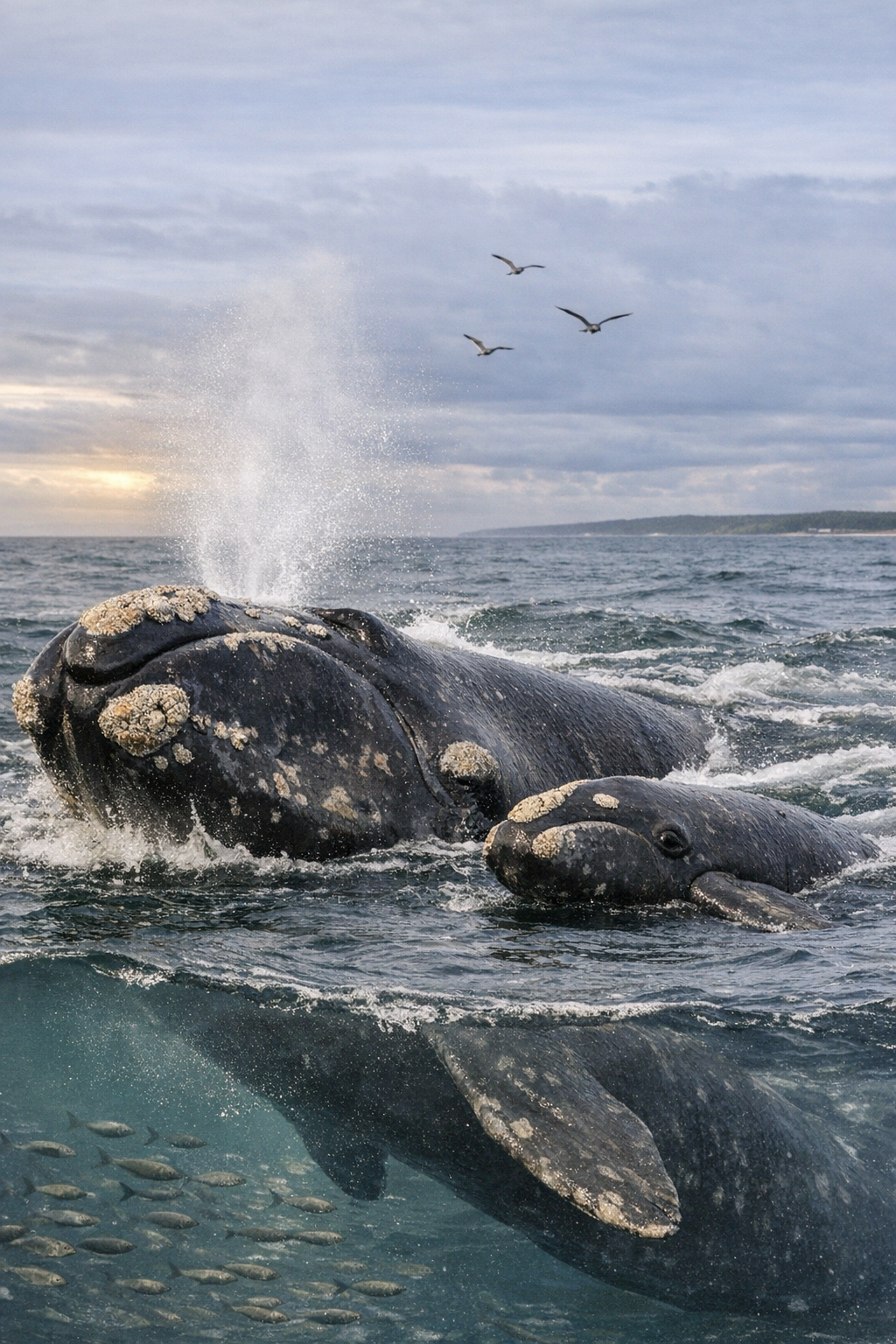
Right whales are more than a statistic. They are mothers teaching calves to navigate the coastline. They are individuals known by name, carrying scars from past entanglements. They are a living part of the ocean’s history — and its future. Protecting them protects the ecosystems that support fisheries, oxygen production, and the health of the Atlantic itself.
References:
NOAA Fisheries: Vessel speed rules, entanglement data, and monitoring programs
Florida and Gulf sightings: FOX 35 Orlando, WKMG ClickOrlando, News4JAX, WKRG, USA TODAY Network – Florida
Acoustic monitoring and migration research: NOAA Southeast Right Whale Monitoring Program
