The truth about Dolphins
Lately I’ve noticed a strange trend online: videos and posts portraying dolphins as dangerous, creepy, or even malicious. It’s the kind of content designed to shock, not inform, and it spreads fast. The more I watched the clips circulate, the more unsettling it became not because of the dolphins, but because of how easily misinformation takes hold.
Dolphins aren’t perfect, and they aren’t mythical heroes either. They’re intelligent predators with complex behavior that doesn’t always fit neatly into human expectations. But the way they’re being portrayed right now is far from accurate. So today’s Ocean Diary entry steps away from the noise and looks into what’s real. No sensationalism. No fear-based storytelling. Just the truth about dolphins- in the wild, in captivity, and in the way we talk about them.
The Truth About Dolphins
As I stated, Dolphins have recently become the subject of a wave of negative online content like dramatic YouTube videos, fear-based thumbnails, and exaggerated claims that paint them as dangerous or unpredictable. These clips often take normal animal behavior out of context and turn it into entertainment. This result is a growing misunderstanding of one of the ocean’s most intelligent species.
Dolphins are apex predators. They hunt cooperatively, communicate constantly, and navigate complex social structures. Their behavior can look unusual to us because they don’t think or act like humans, but that doesn’t make them dangerous. Most behaviors labeled “scary” online are simply things like communication, curiosity, dominance displays, mating behavior, playing, and many others. All of these behaviors are normal for a highly intelligent marine mammal.
Misunderstanding Dolphin Behavior
A lot of fear comes from misinterpretation. Dolphins use touch, sound, and close contact as part of their natural communication. When people don’t understand these signals, they can mistake them for aggression or inappropriate intent. One claim circulating online is dolphins “develop feelings” for humans, even sexual ones. Marine biology does not support this idea. What people are seeing are typically things like tactile communication, social curiosity, and boundary-testing, this means normal mating or dominance behavior is being misread through a human lens. This is a classic case of anthropomorphism; projecting human emotions onto animals.
Do Dolphins Attack Humans? Captivity vs. the Wild
Actual dolphin attacks on humans are extremely rare. Most incidents Many of the stories that fuel fear come from dolphins in captivity. happen when humans feed or touch wild dolphins, dolphins are stressed Captive environments can cause stress, frustration, disrupted social or cornered, dolphins in captivity are overstimulated, or playful behavior structures, and abnormal behaviors. is misread as aggression.
In the wild, dolphins typically avoid conflict. They are not seeking out A dolphin tank is not the same as a dolphin in the open ocean. humans to harm them. Captivity can amplify behaviors that are rarely seen in the wild. In . their natural environment, dolphins live in stable pods, communi- . cate constantly, hunt cooperatively, show curiosity; not aggression, . and maintain distance unless they choose to interact. Understand- . ing this difference is essential.
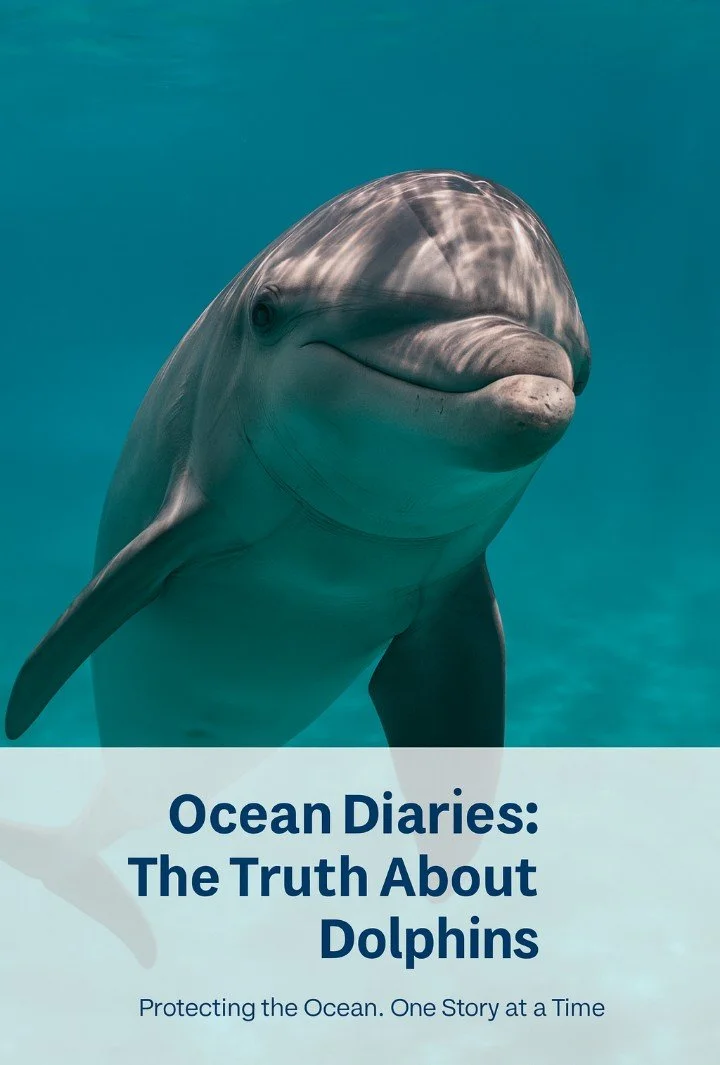
The Real Issue Isn’t Dolphins - It’s Misinformation
Fear-based content spreads quickly, but it doesn’t reflect reality. Dolphins are not villains. They are complex, emotional, intelligent animals living in a world that humans have dramatically altered. Misunderstanding them distracts from the real issues they face, such as, habitat loss, pollution, noise disturbance, and declining fish populations. The conversation should be about protecting them, not demonizing them.
Dolphins deserve respect, no fear. Science, not sensationalism, should shape how we see them. When we look past the clickbait and pay attention to real behavior, both in and out of captivity, the truth becomes clear: dolphins are not monsters. They are survivors navigating a changing ocean, and they deserve to be understood, not misjudged.
